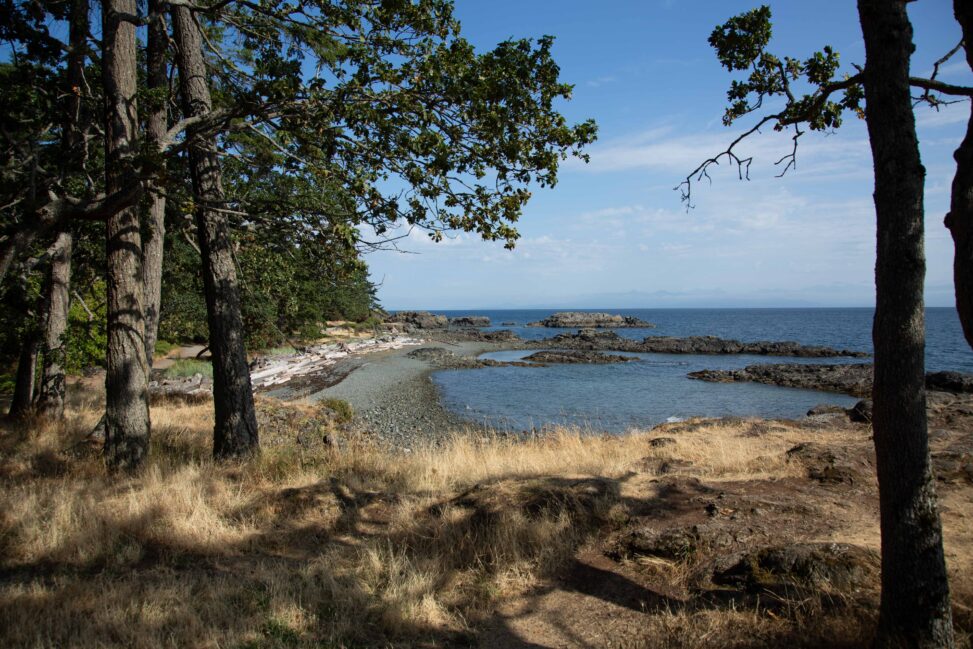
Vancouver Island
Our journey is coming to an end, we have a few weeks left before we return. In preparing our itinerary, we planned to visit much of the West Pacific coast. Canada's continuity was quite logical since to reach Montreal, we had to fly to Vancouver. The city of Vancouver may have a lot of interesting things to show, but we wanted to have access to the ocean and forests without going too far. Vancouver Island was perfectly suited to our criteria, and visiting this island made us dream for a long time.
From Portland we took the train to Seattle. That was our second train experience in the United States. The first one to connect New York to Boston was perfectly run with only 5 minutes late. That is to say nothing given the complexity of the networks and the number of trains. This second experiment also went very well, this time with a delay of more than 45 minutes. We were surprised at the small size of the stations for cities as large as Portland and Seattle, noting that the Americans are almost not taking the train. It's a shame because you enjoy the scenery, the trains are very comfortable and above all you can do something other than drive. We rode a lot for our journeys, with lots of bottling, that we found more and more painful. The train journey stopped in Seattle for a bus connection to Vancouver. The Canadian border arrived at the end of two hours. It was just a formality, with Canadian customs officers appearing to be less zealous than their American neighbours.
So here we are on Canadian soil. We still had an hour of transport before we reached our accommodation. We were able to admire the way Canadians waited for the buses calmly, in beautiful Indian lines.
The next day we had an hour to reach the Tsawwassen pier by bus. We were pretty cool that morning, we wanted to take the time after our long day of travel the day before. Really cool, because we got confused in the schedules and when we got in front of the bus stop and we saw that the next one passed 50 minutes later, we had a little moment of loneliness. We went back to our guests to ask them for advice on other ways to reach the pier. Without hesitation, they took their car keys, emptied the trunk and dropped us right there. Great.
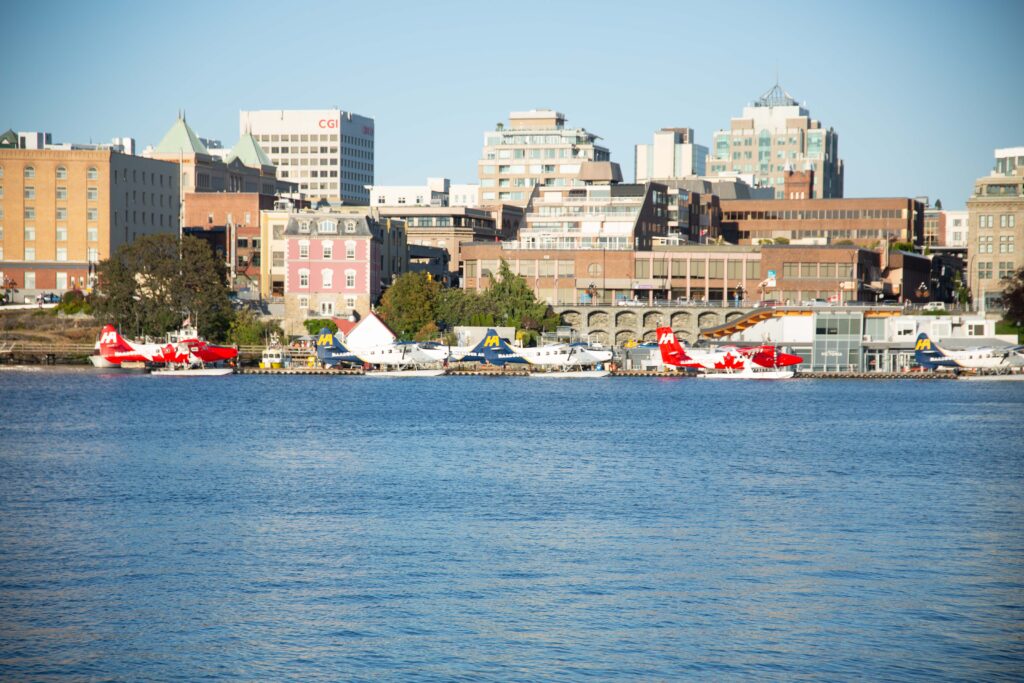
Vancouver Island is served by various means. The ferry is well developed to allow the inhabitants to travel between the island and the continent and for all visitors who wish to access the island with their vehicle – many of them do so. Two piers connect the cities of Nanaimo or Victoria, further south. The aircraft or seaplane are also two other means of connecting the island by air, for those who are in a hurry and have the means. Count 350$CA (210)€) for a round trip for one person for about 35 minutes of flight. In comparison, the ferry costs 120$CA (72€) for four returners. The passage by boat, of just under two hours, is very pleasant and if you are lucky you can see whales.
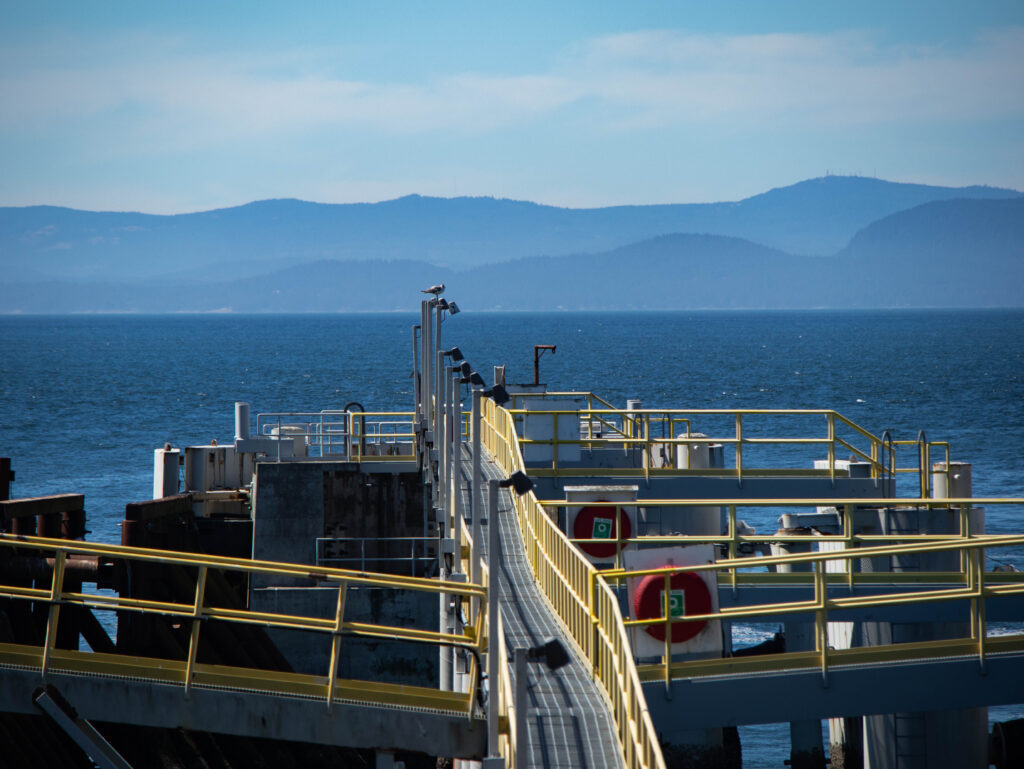
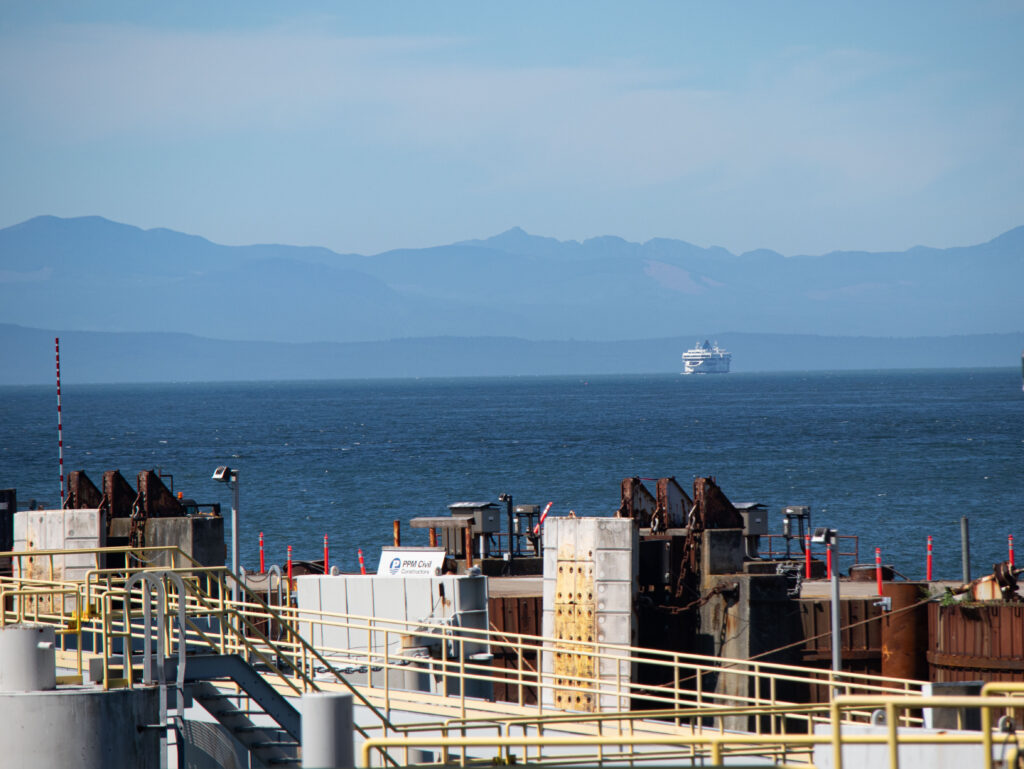
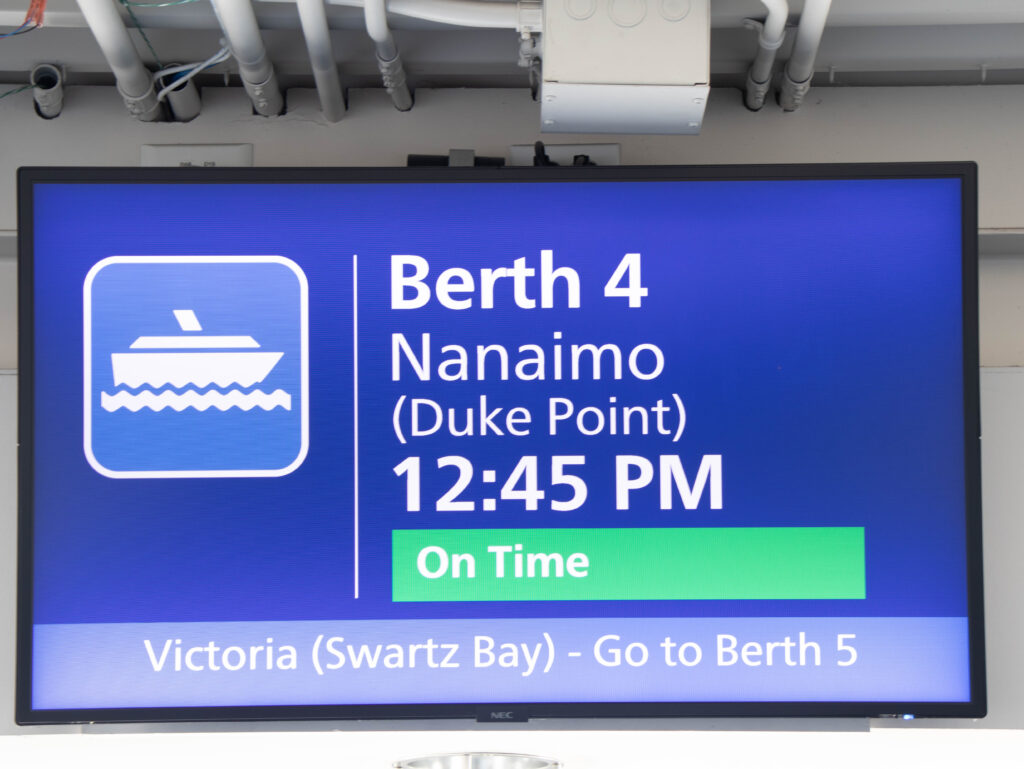
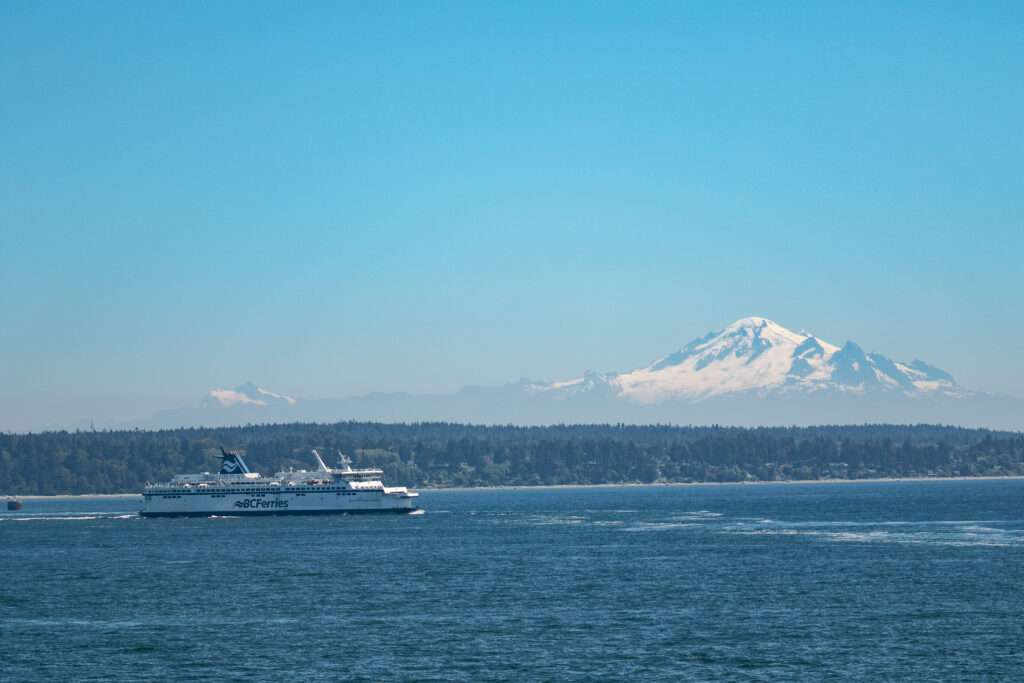
We stayed a week in the town of Nanaimo (99 863 hab), located on the northeast coast of the island. It is the second largest city in the island after Saanich (117,000 inhabitants). Victoria is the capital of British Columbia. With 32 134 km2 (460 kmx80 km, slightly larger than Belgium), Vancouver Island is Canada's eleventh largest island. By comparison, Corsica has an area of 8722 km2.
Vancouver Island is located on an important seismic zone and has experienced many earthquakes, including one in 1700 of supposed magnitude from 8.7 to 9.2 and which generated a significant tsunami.
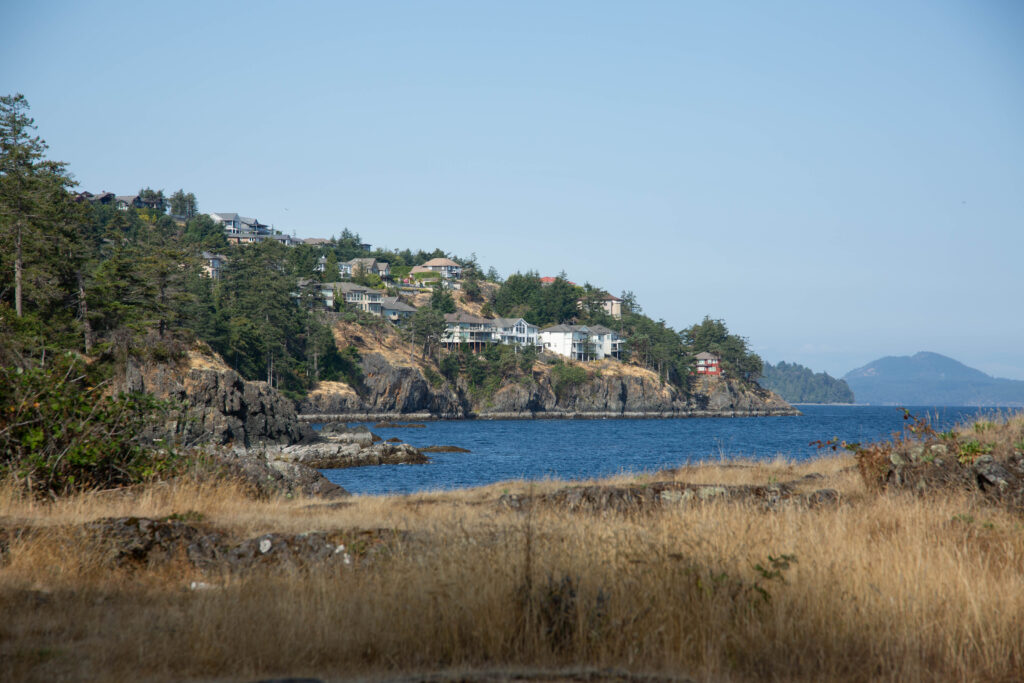
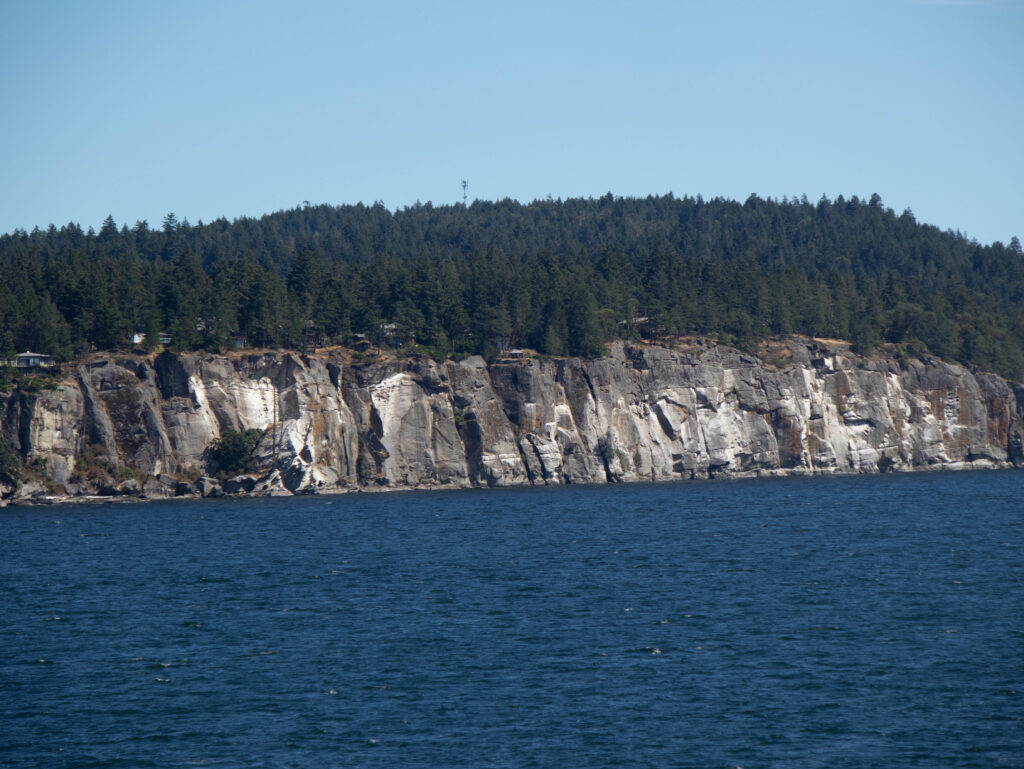
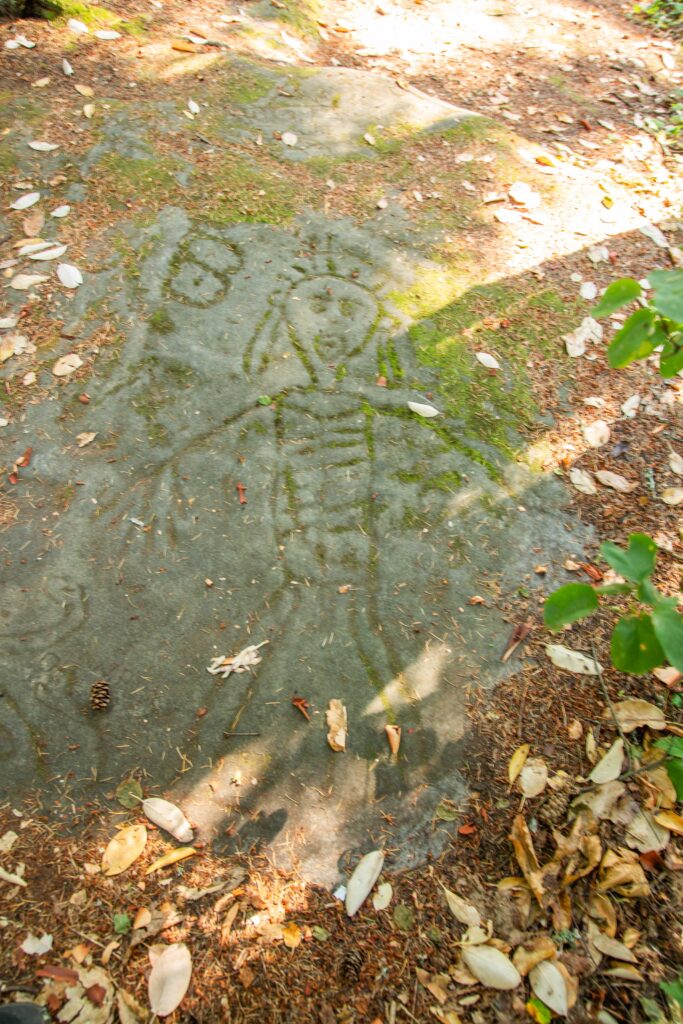
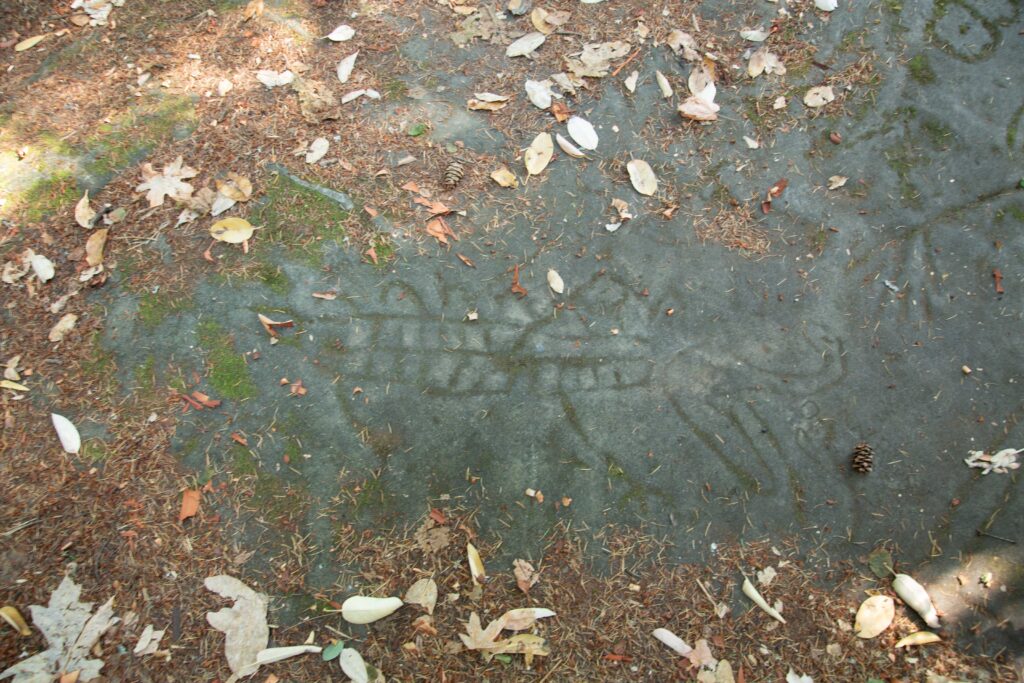
In terms of population, we find traces of the first inhabitants about 8,000 years ago. Protected sites conserve petroglyphs of the people of the time that can be admired at different places on the island.

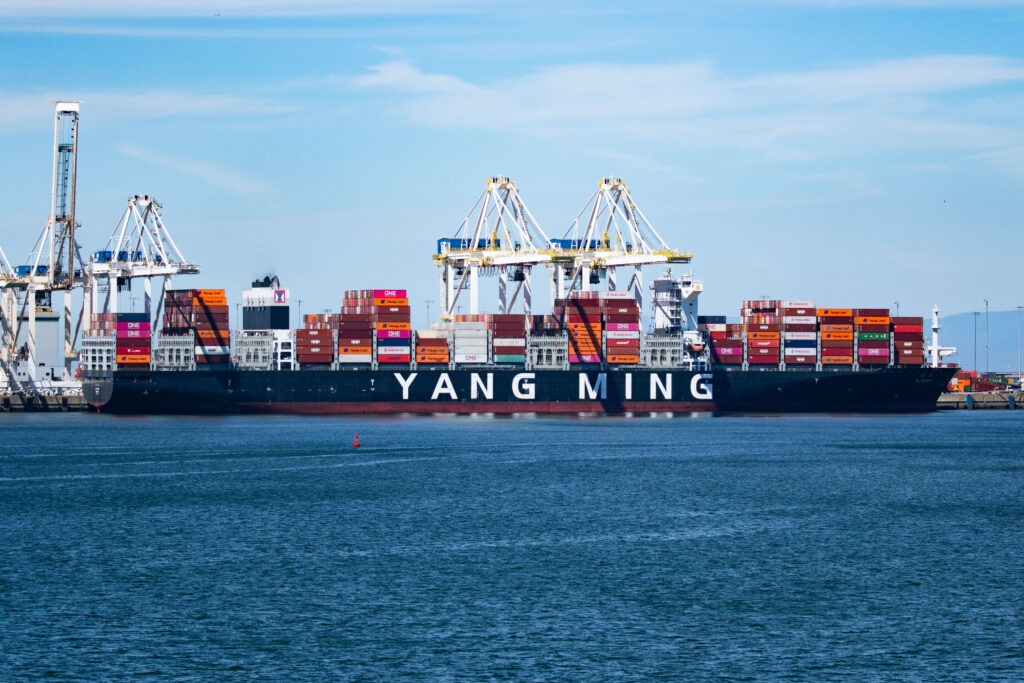
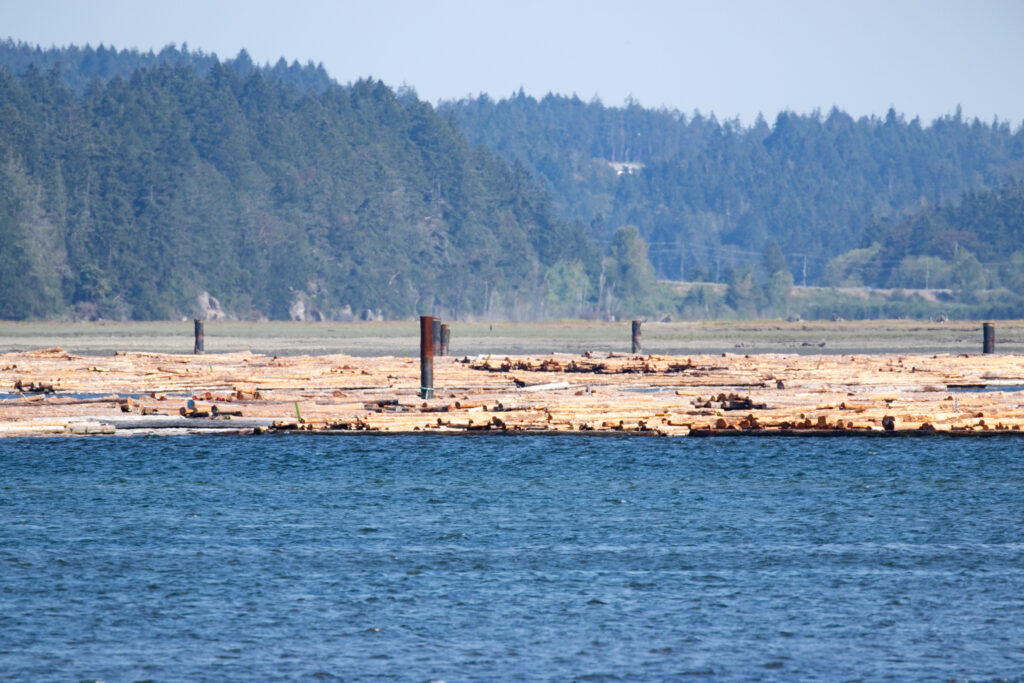
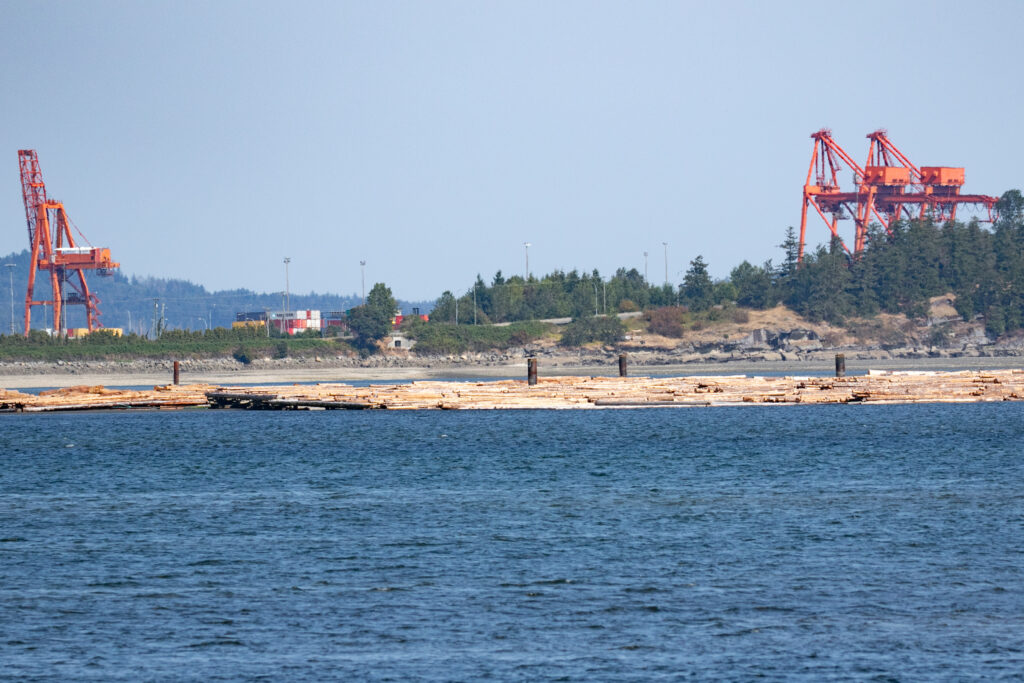
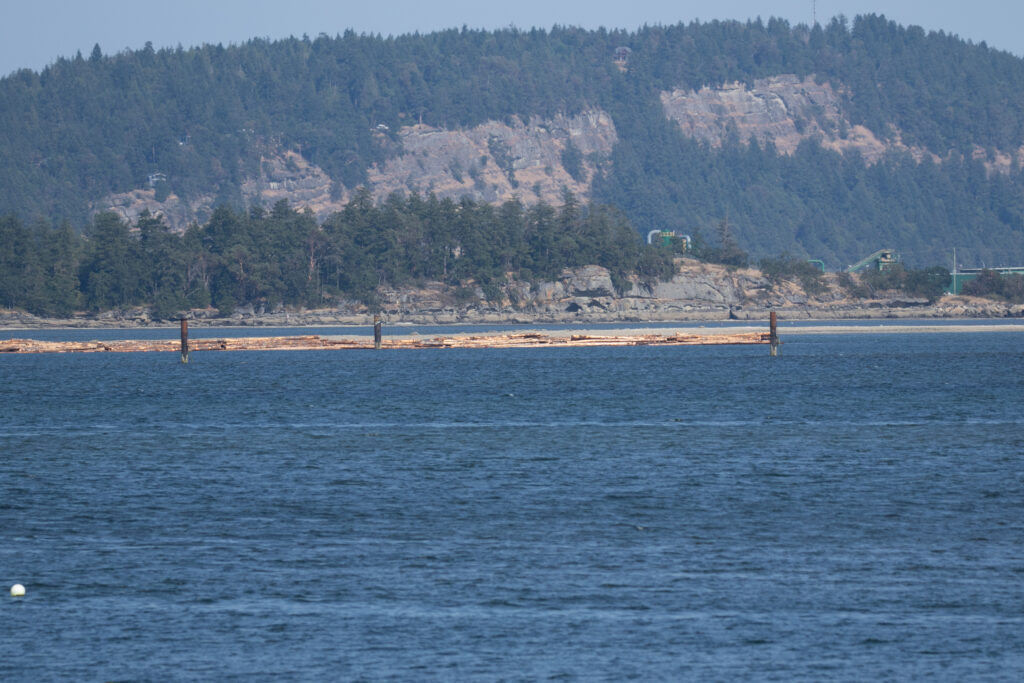
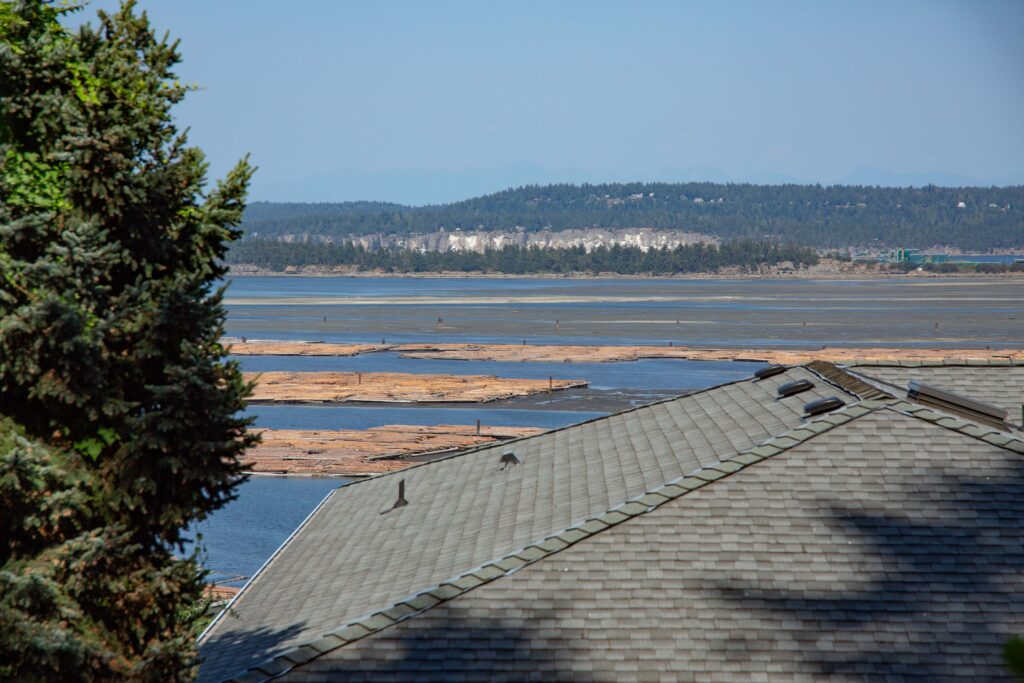
The economy is based primarily on forestry. There are sawmills along the harbour of Nanaimo that exploit the wood. The originality of the region is the transport of wood by sea. The trunks are gathered and floated, and towed by a tug. This wood industry provides jobs but also destroys the ecosystem. Until 2016 it had estimated that 90% of the trees over 300 years of age on the island had been slaughtered (source Wikipedia). The symbol of this destruction is an immense Douglas (Pseudostuga mensizii) estimated at more than 1000 years, which a logger exploiting a plot saved by surrounding it with a green ribbon to protect it. Today this tree tree is the symbol of the protection of the primary forests of the island.
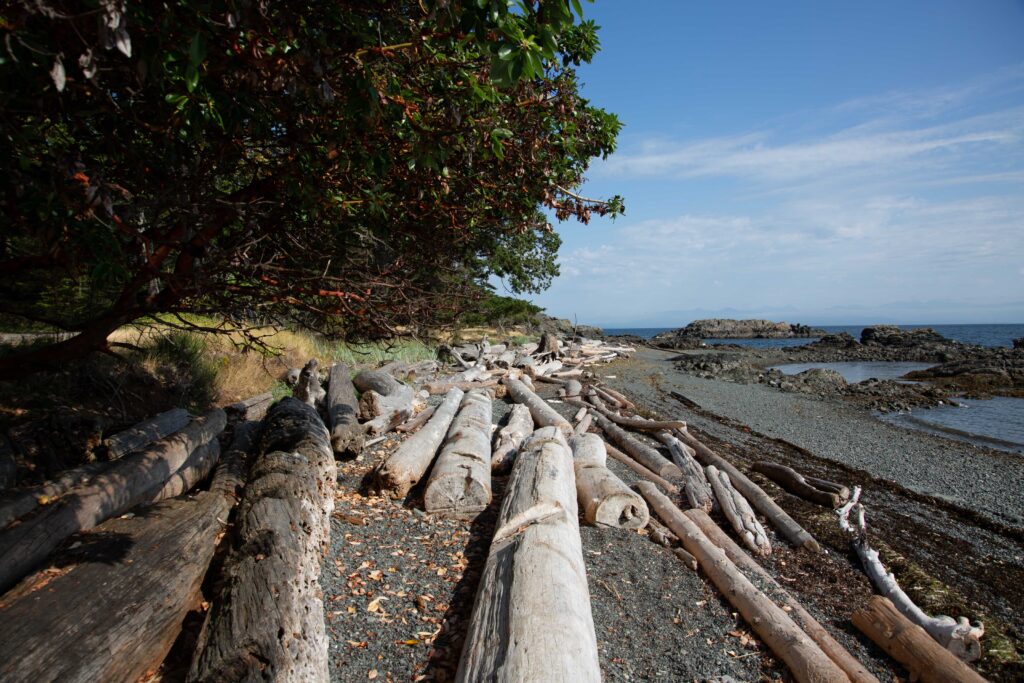
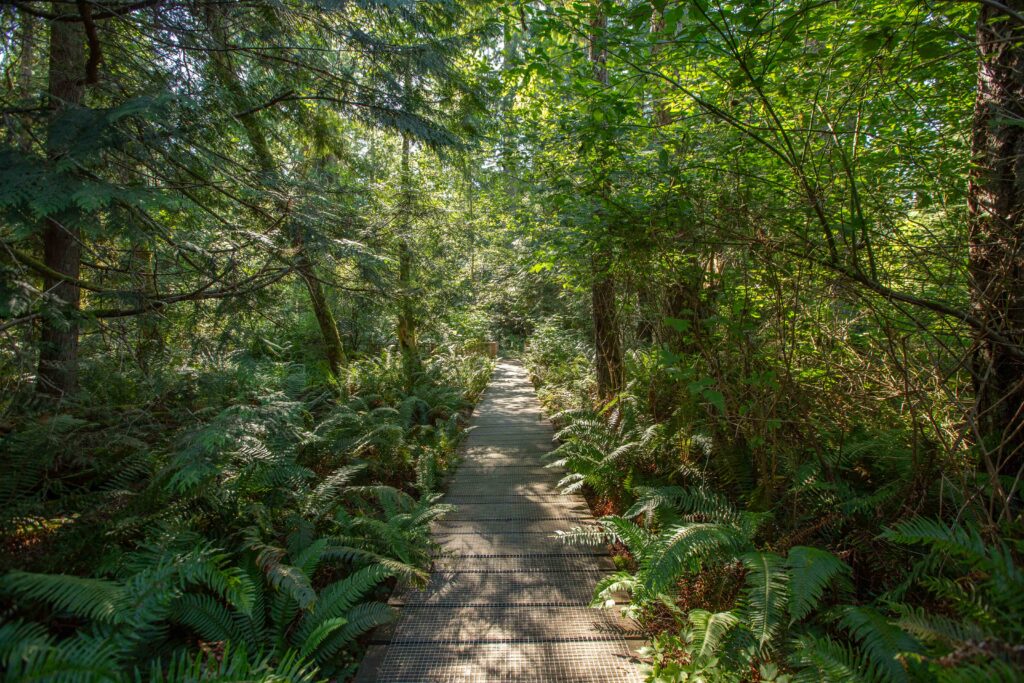
Fisheries and tourism complement economic activities. We had (too) little time to venture to the four corners of the island, so we stayed around Nanaimo, walking on the coastal path, in a small park, alternating with some swimming in a water warmer than in Oregon (around 18°C). The two main explorations were for the Milner Botanic Gardens and Woodland, a botanical garden located on the seafront, and a sea trip from Victoria to meet whales.
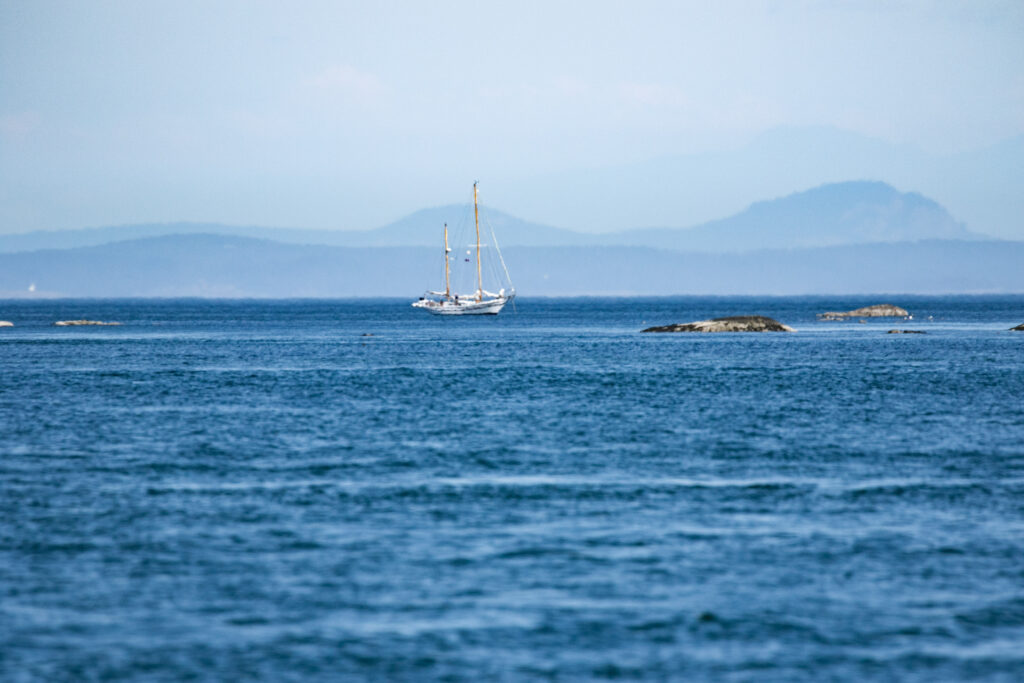
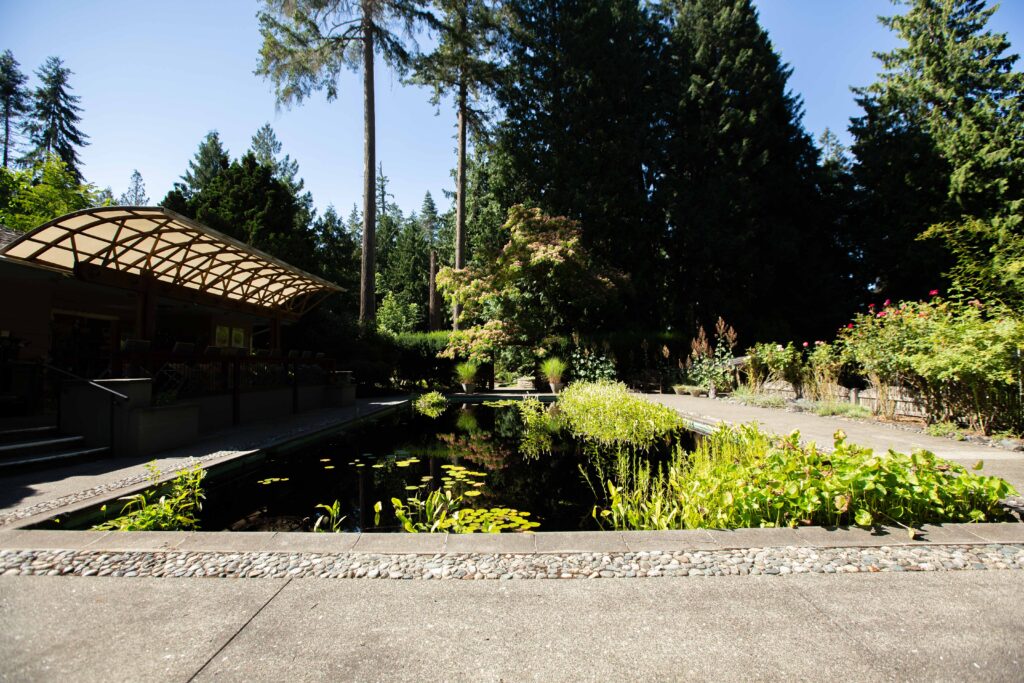
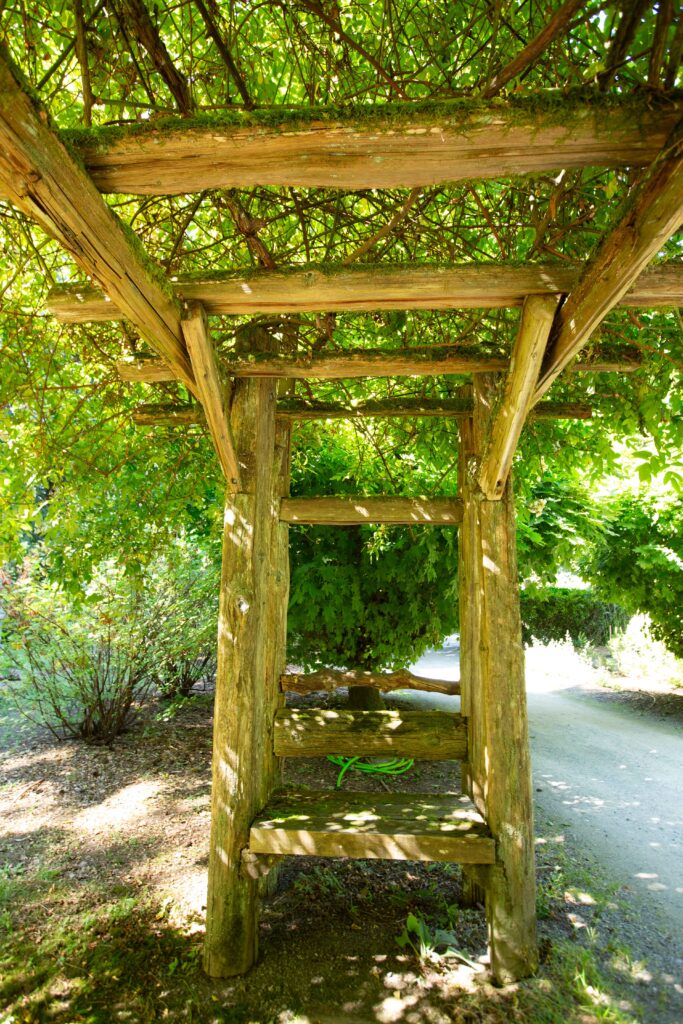
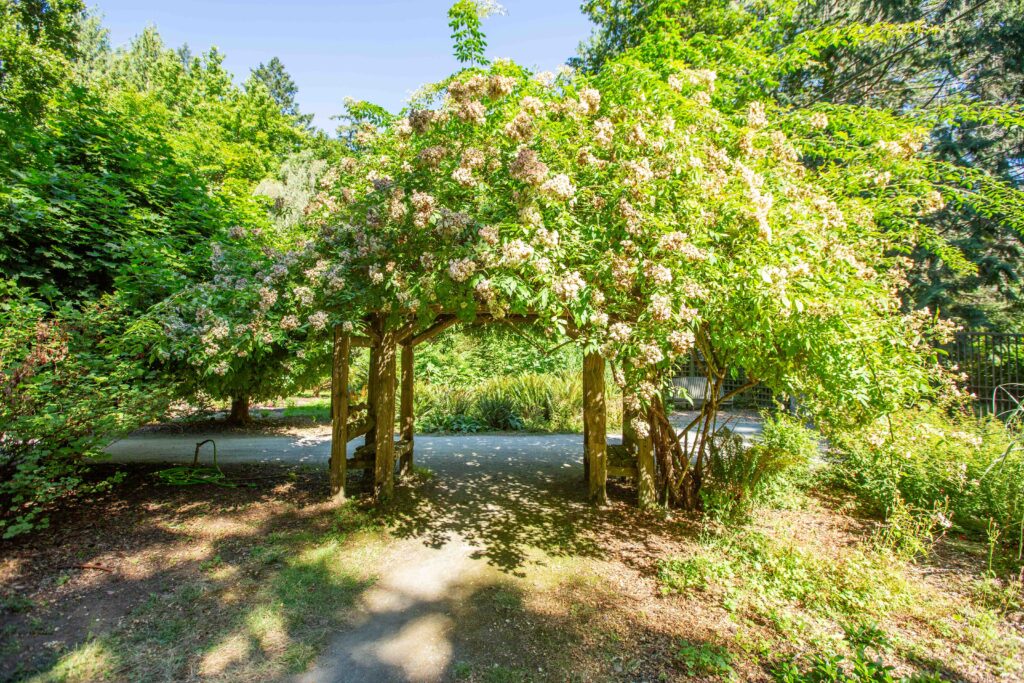
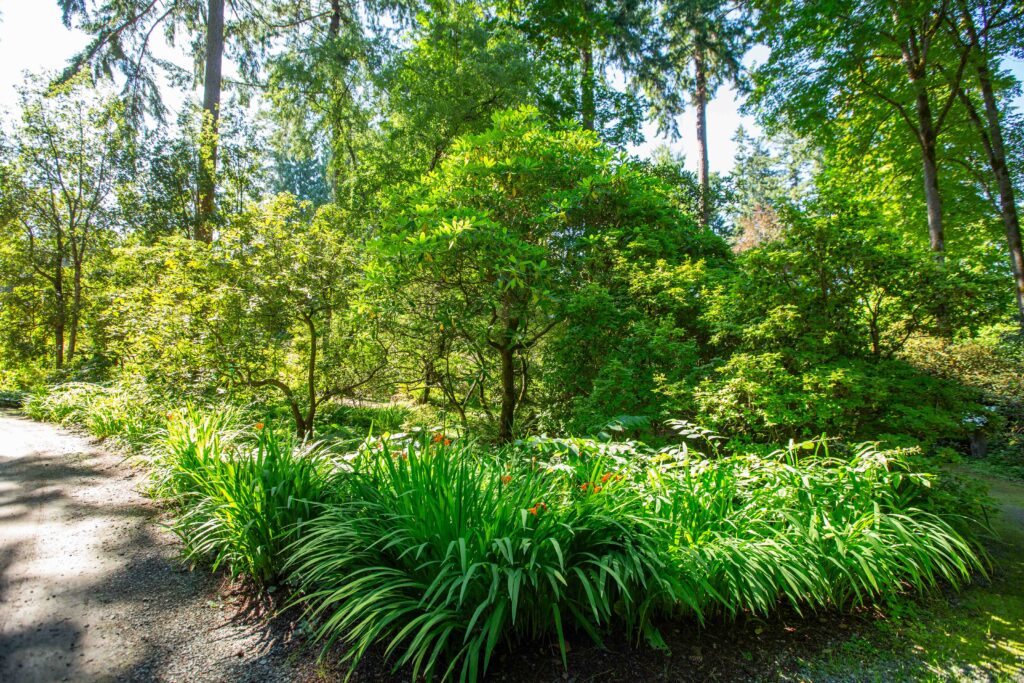
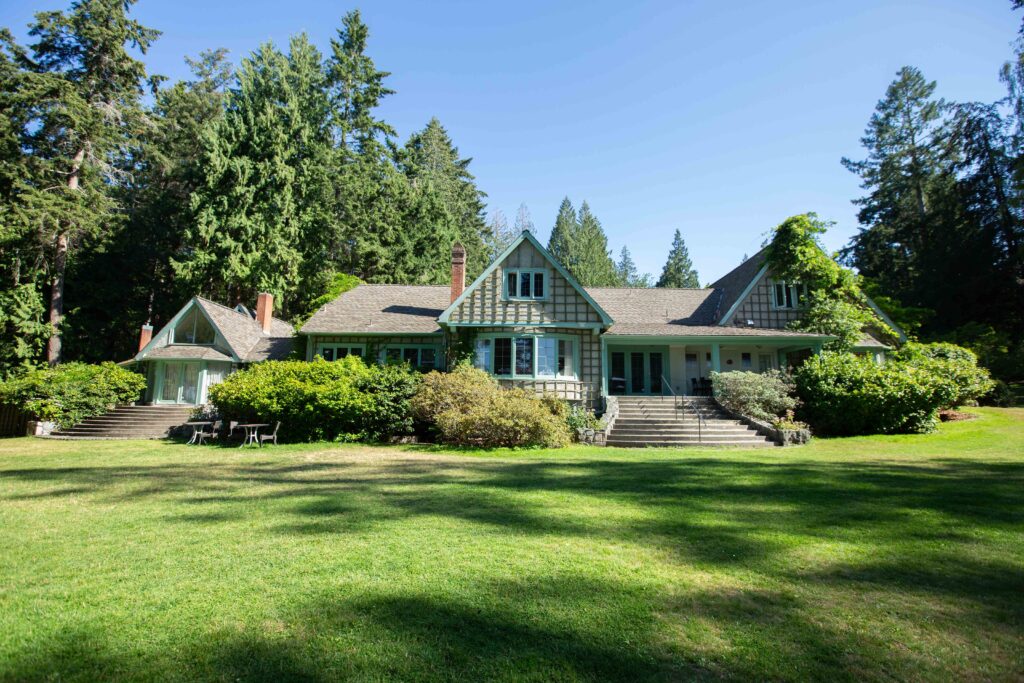
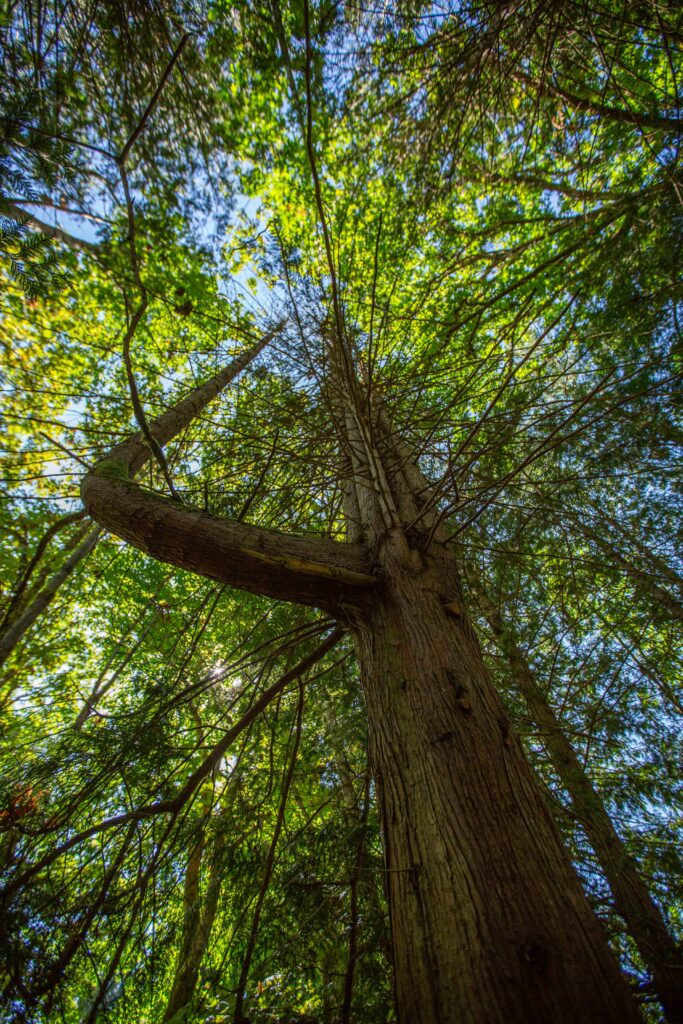
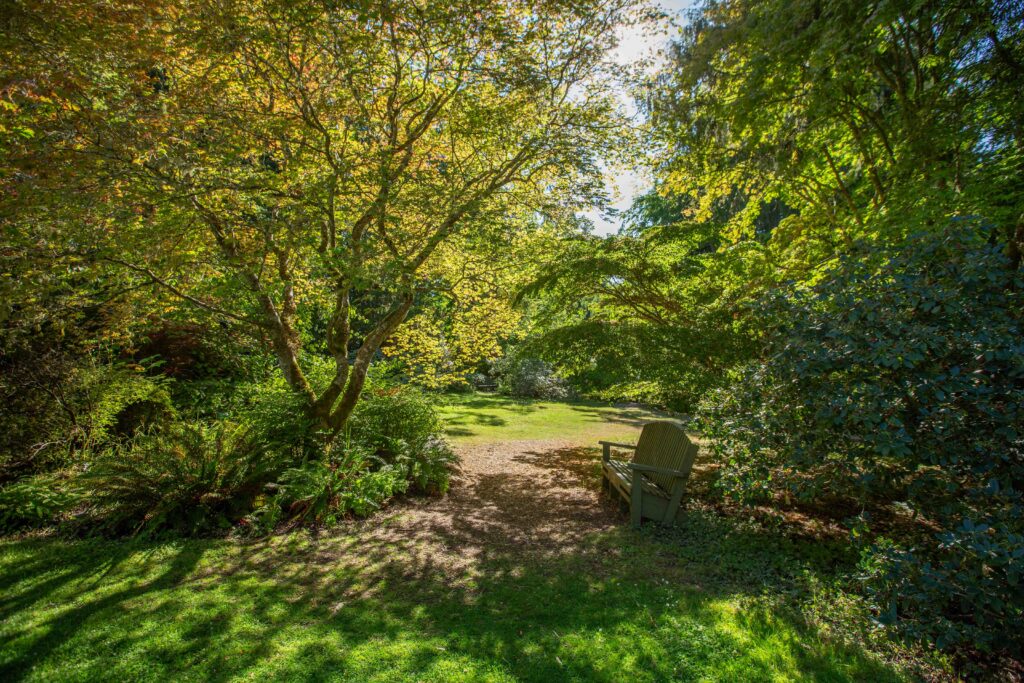
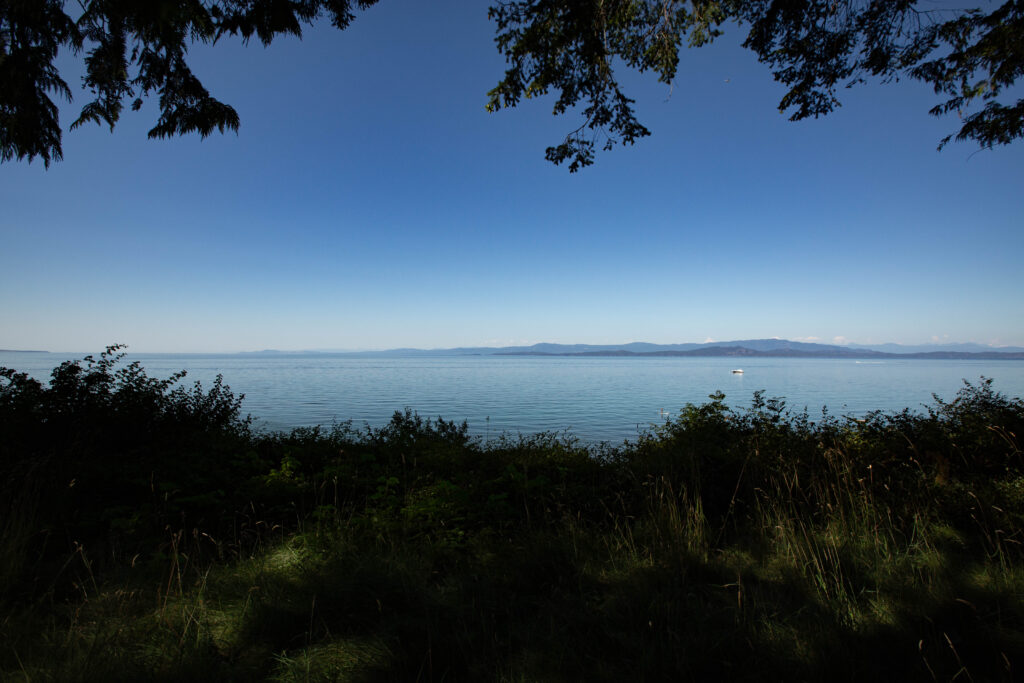
The first visit was very interesting, the garden of a purely English style alternating with beautiful natural woodlands with all the strata of the humid forests represented. This garden belongs to the University of Vancouver, which conducts studies on plant life and offers pedagogy for the general public. A nice gazebo closes the walk with a view of the Interior Passage, the name given to the sea arm located between the island and the continent. With a little luck (Céline had it), you can see whales from this point of view. The only small regret is that he didn't have much time to stroll, because like many parks in the United States and Canada, he closes early at 5:00 p.m.
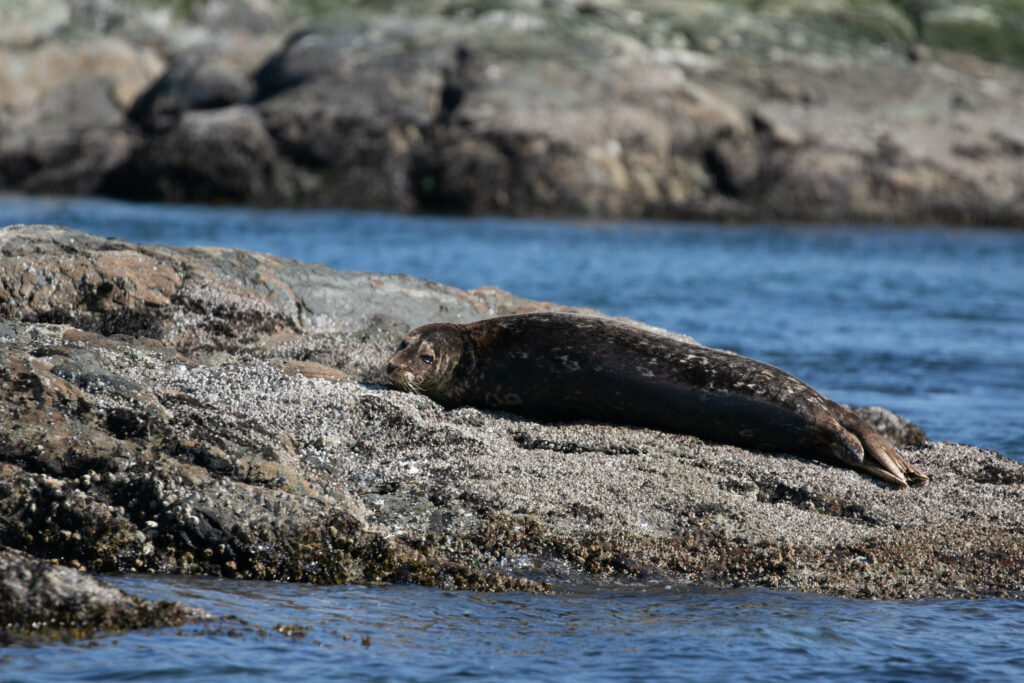
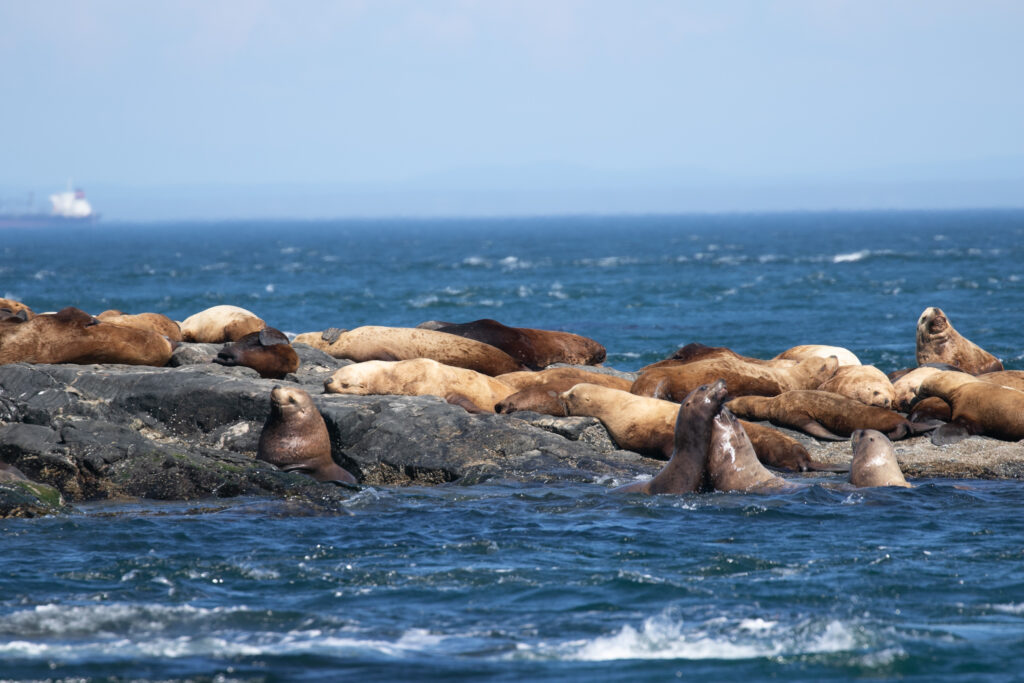
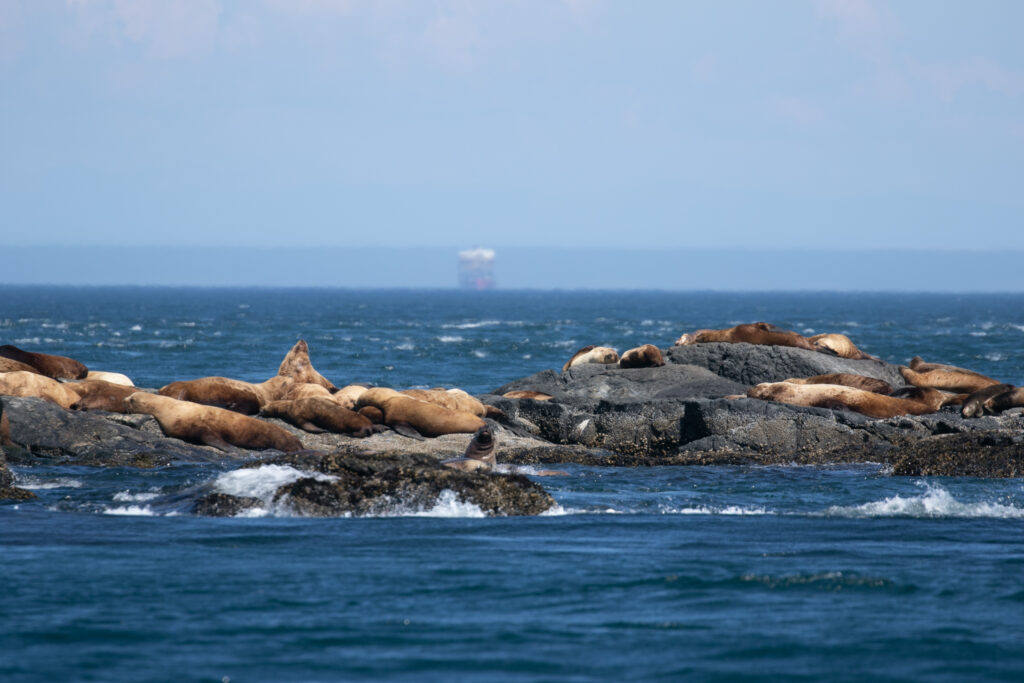
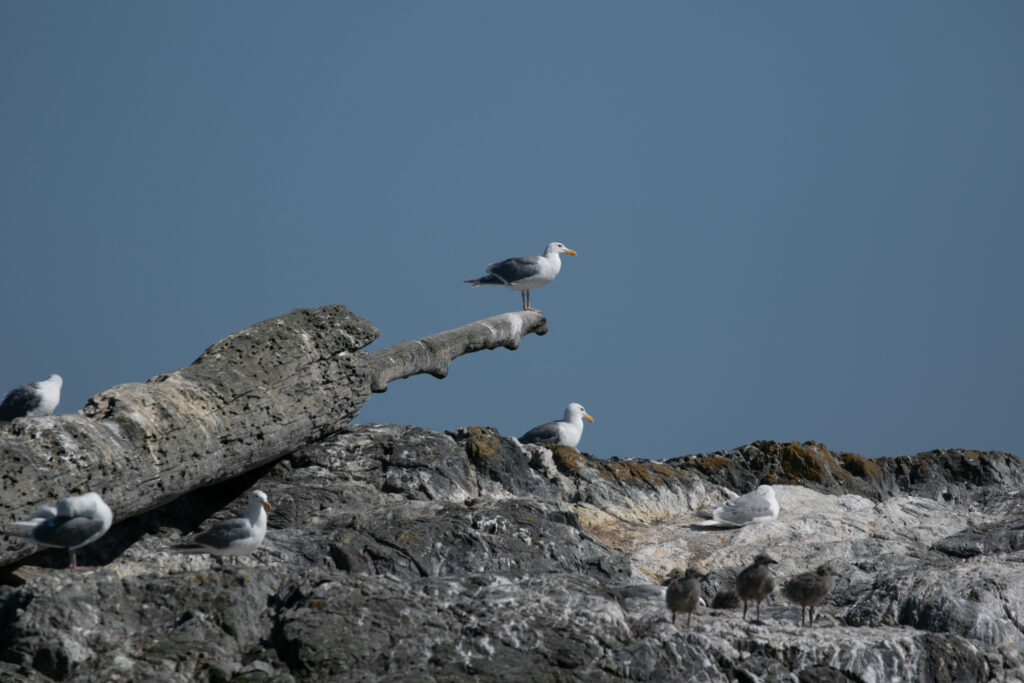
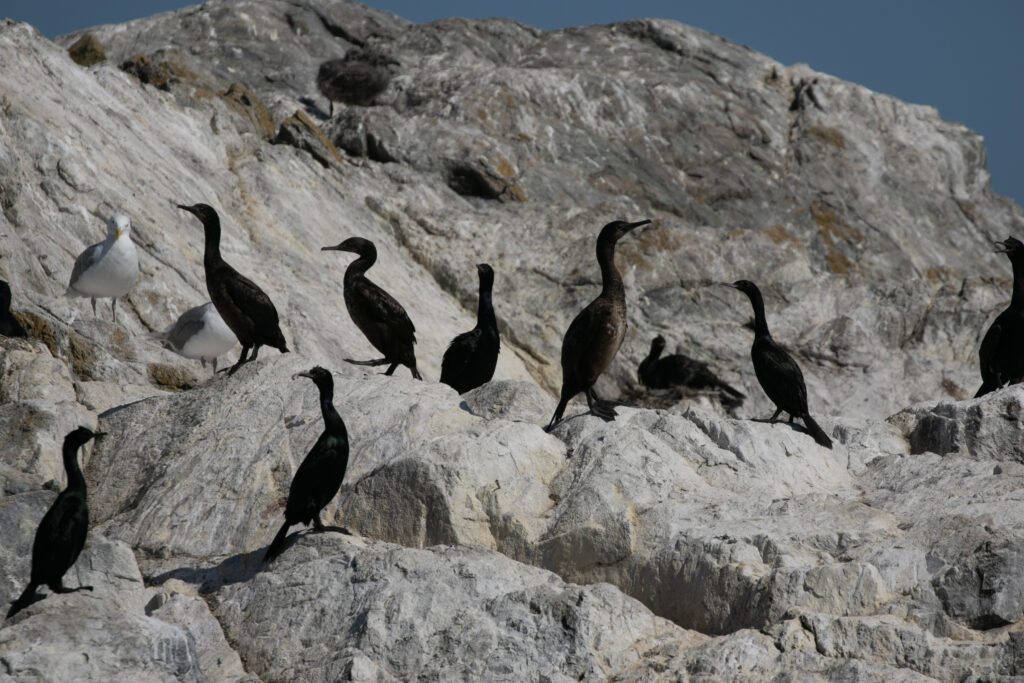
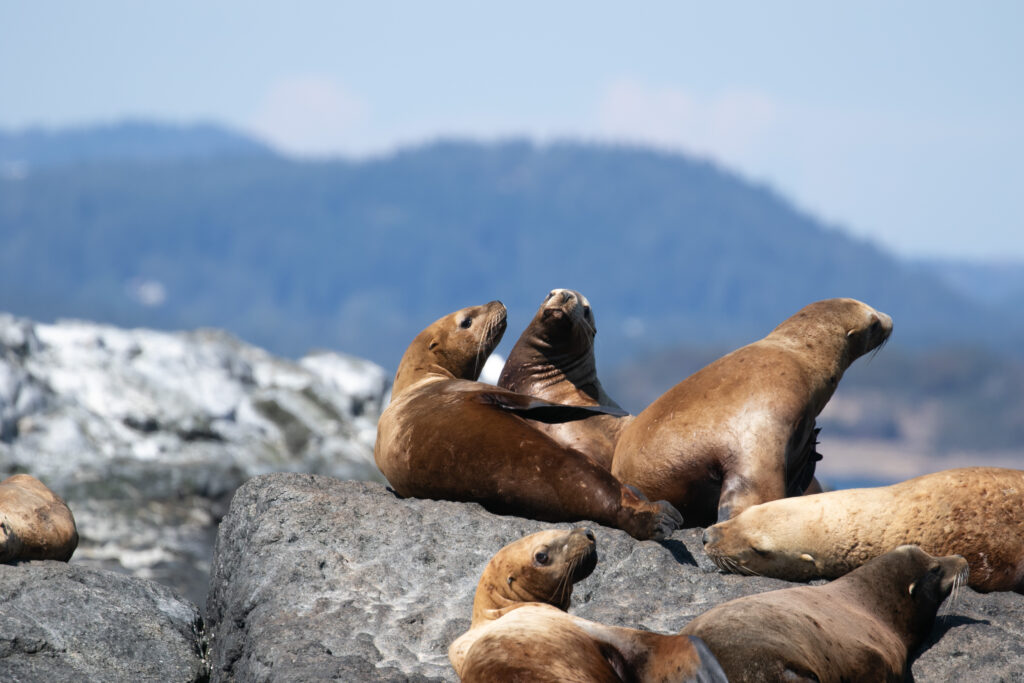
The second exit was maritime. It was first quite tonic, because we boarded a small boat, with about thirty people. The captain, a superpilot, took us at high speed to the islands where tide currents stir water and gather food for birds and mammals. On the islands we were able to observe sea lions, seals, Brandt cormorants, silver gulls, dobbin guillemots, Sabine gulls and a white-headed pygargue. Unfortunately not a whale, nor an orca, on the horizon. The company we had chosen is very committed to protecting marine environments and does not take tourists anywhere, if this could create trouble. Nevertheless, it guarantees whale watching. So when you don't see it offers a second chance without a time limit. If we go back to the area one day, we know we can come back and try our luck, hoping that the Japanese whalers will not have driven everything out by then. 🙁
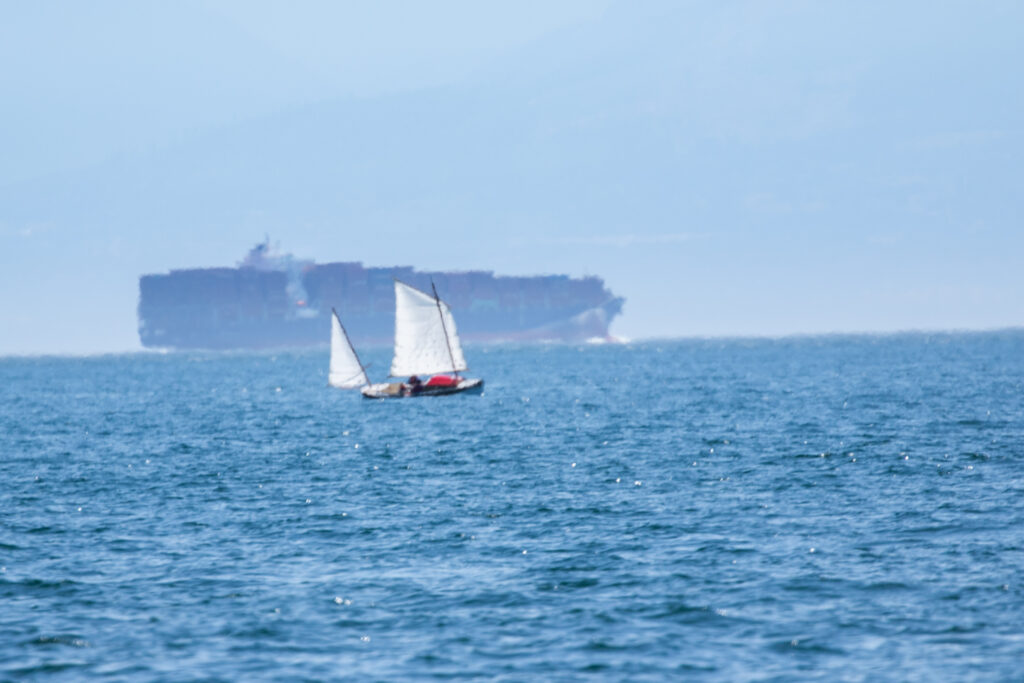
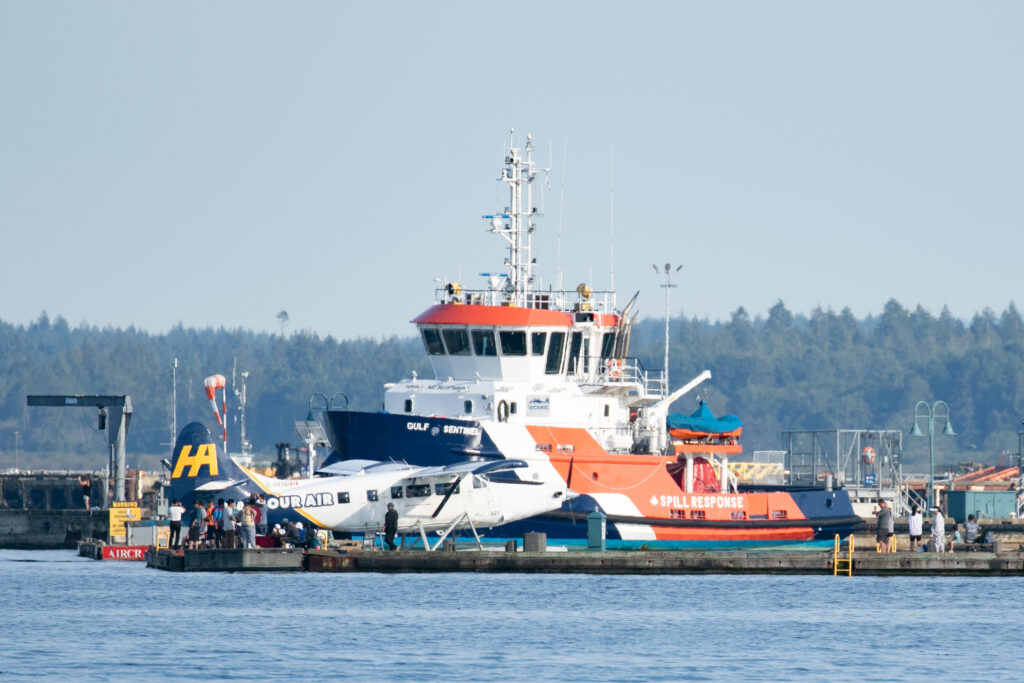
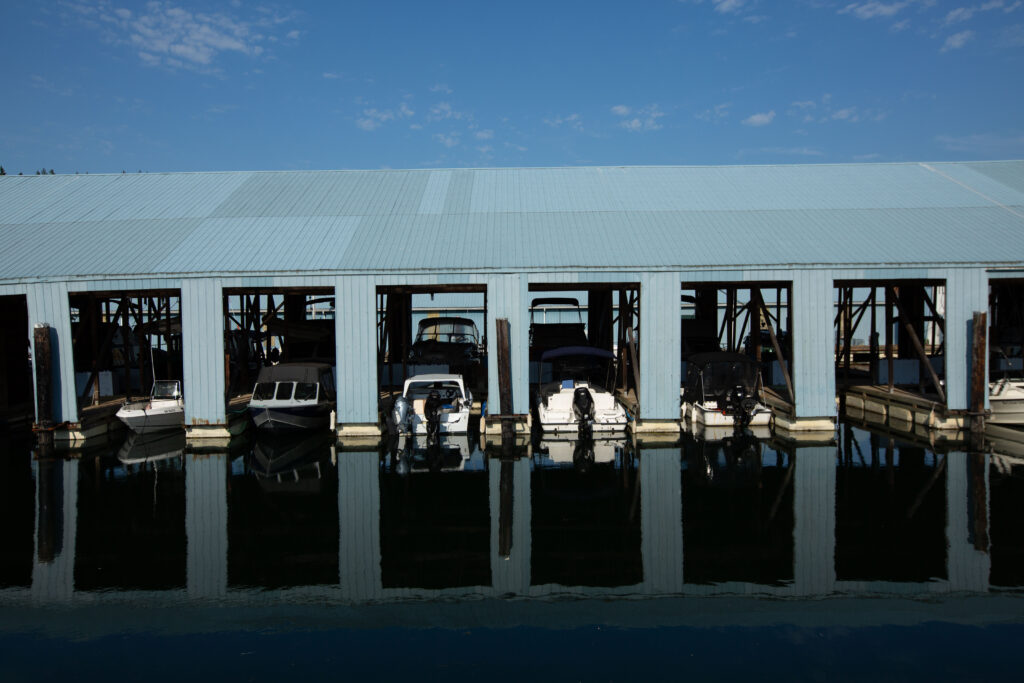
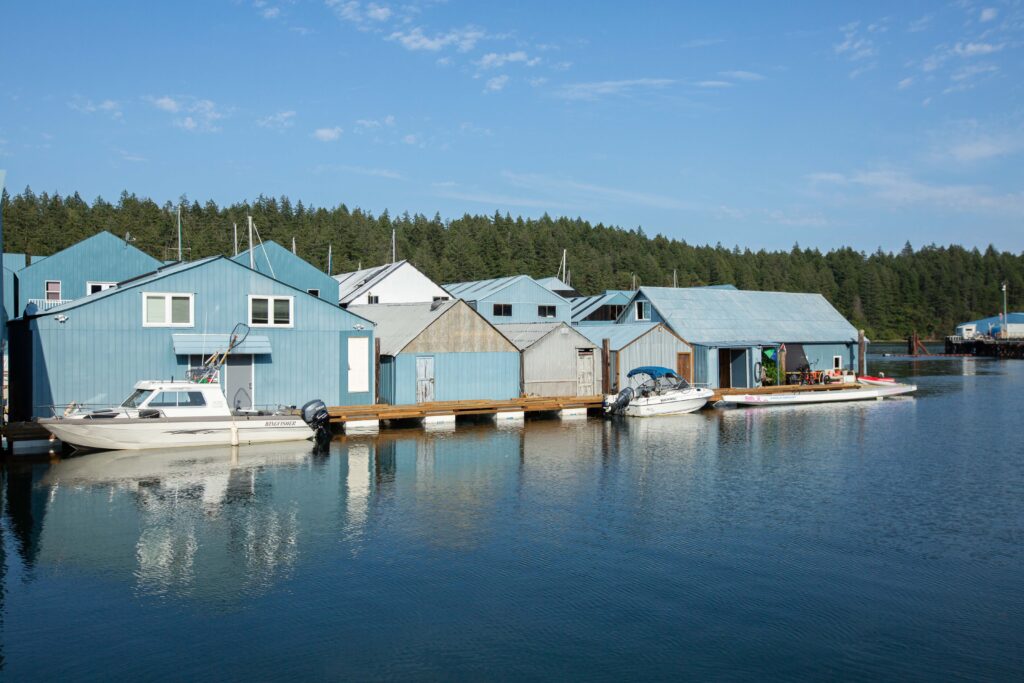
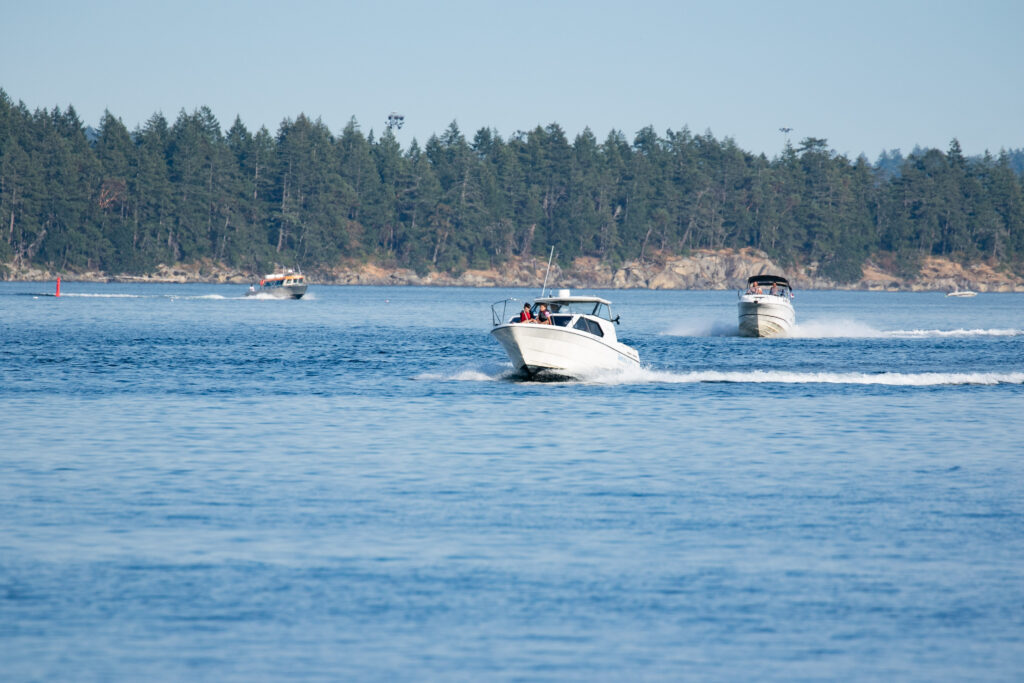
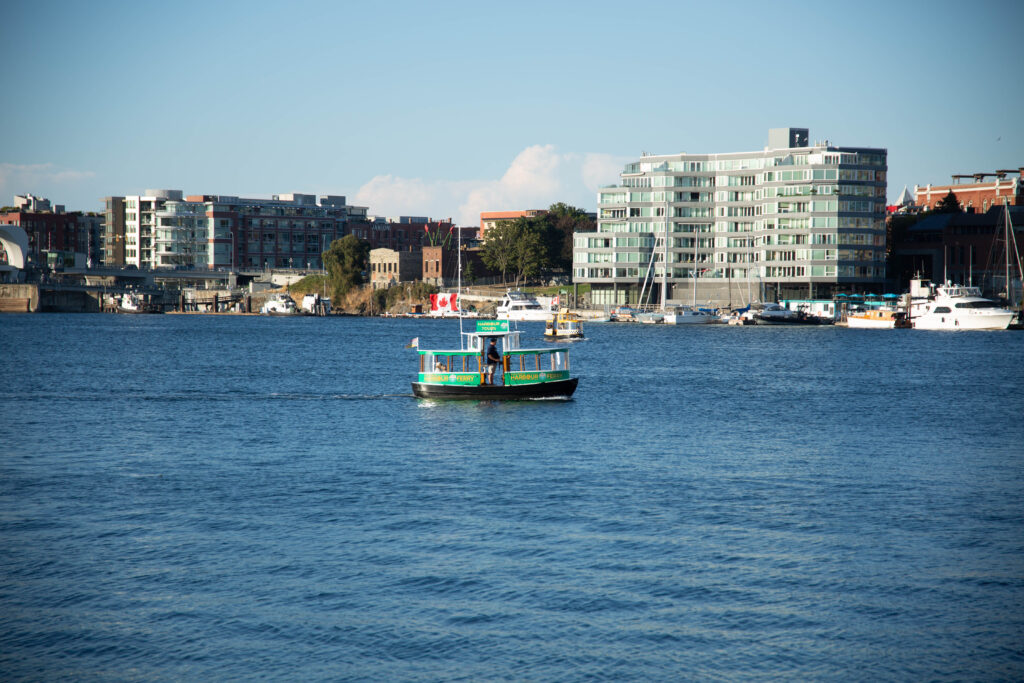
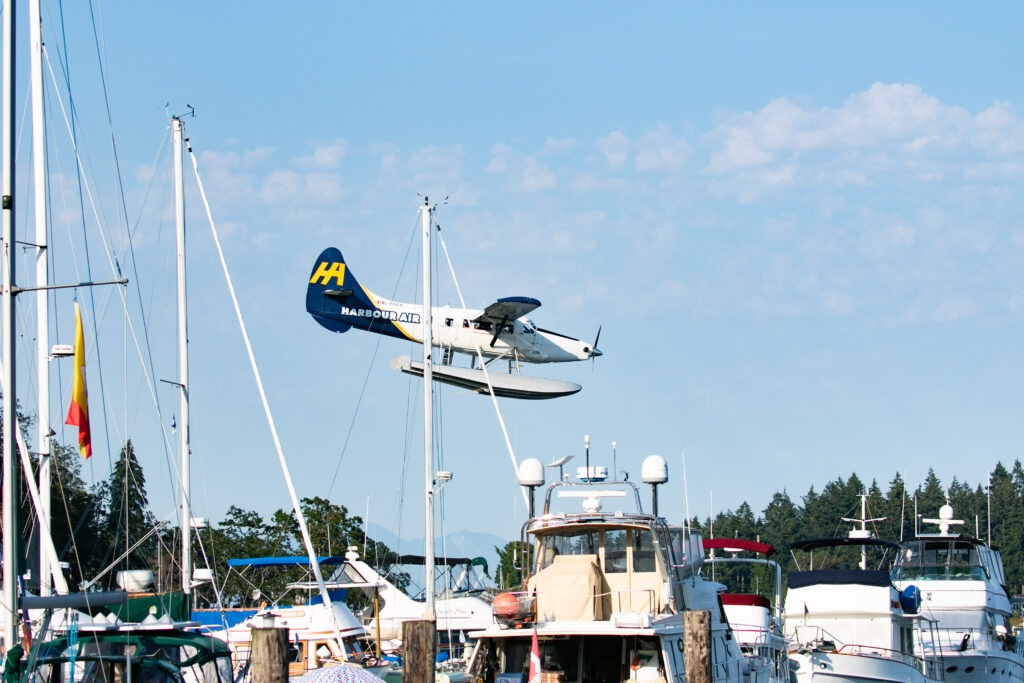
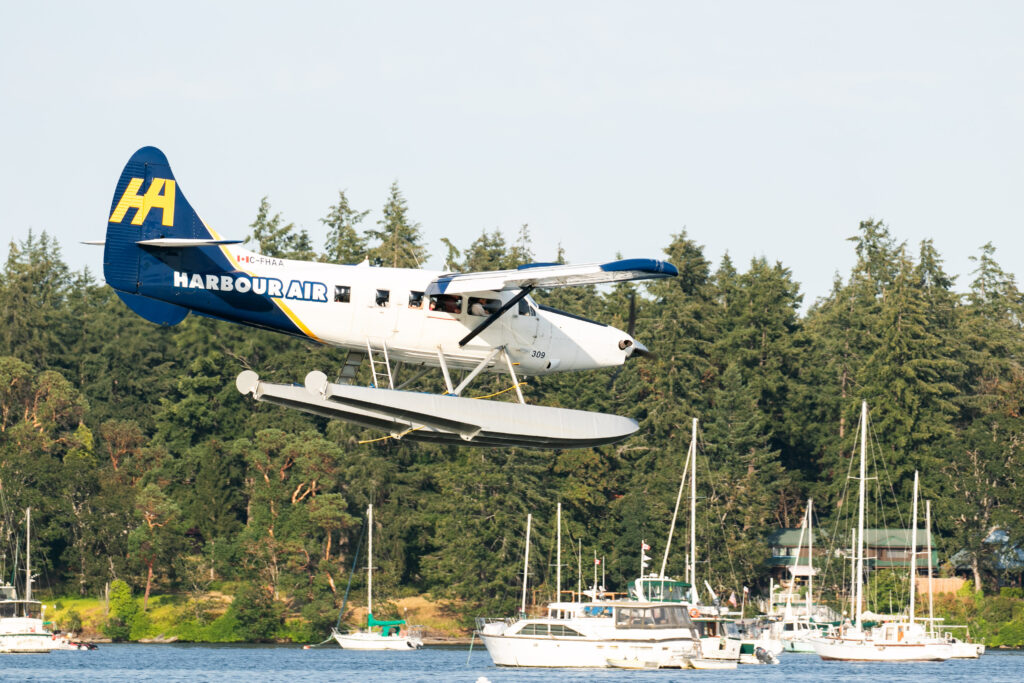
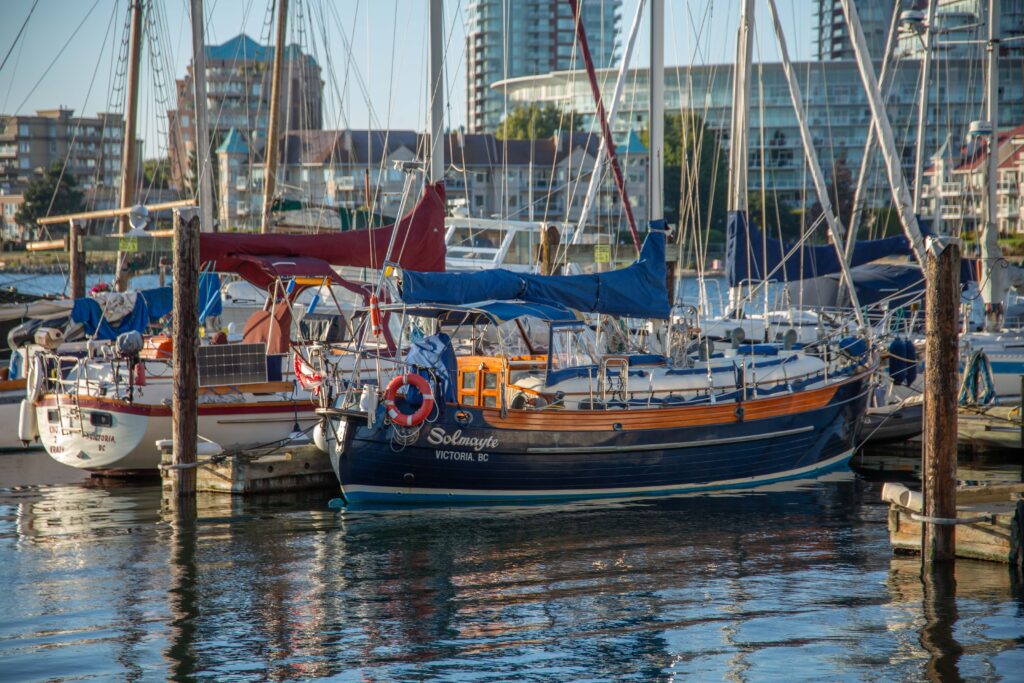
We spent some time in the port of Nanaimo observing daily activity. The harbour is very lively and the activity is intense, between all the boaters who travel for walks or fishing departures, the ferries that rotate, tourists who walk, the premises that fish crabs on the pontoons. If you add the seaplanes that take off and land on a path across this world, it gives a happy spectacle.
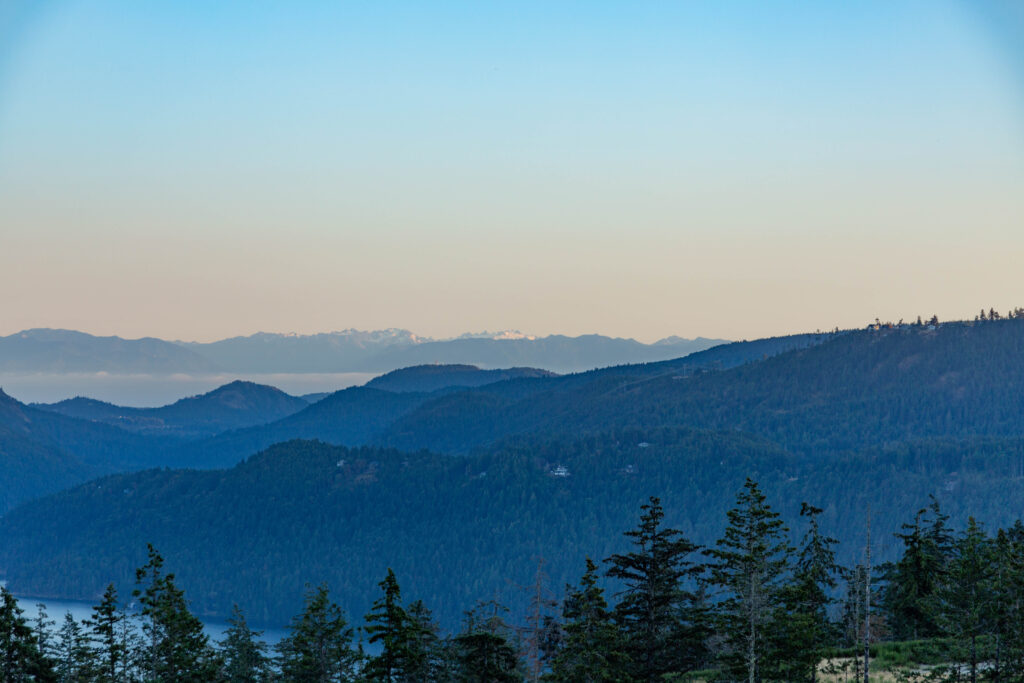
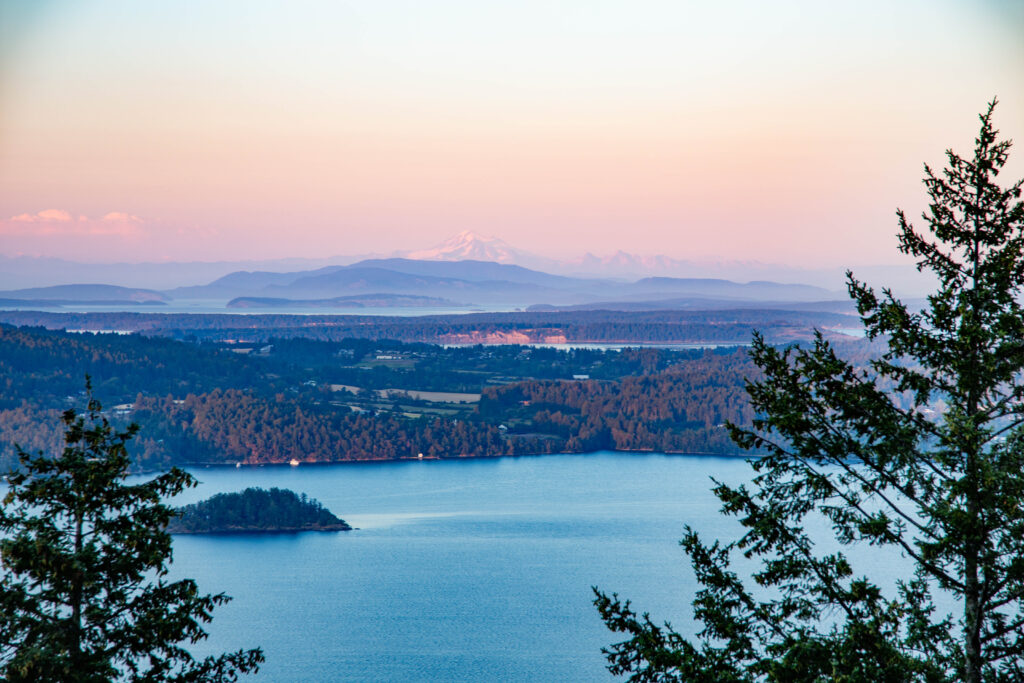
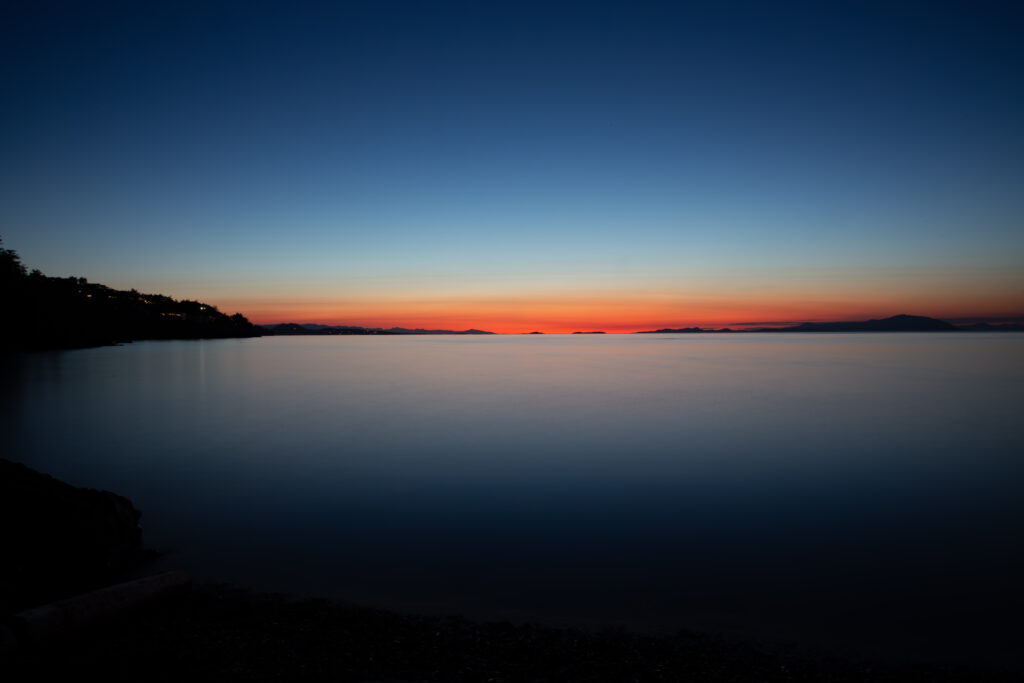
We left Nanaimo under a covered sky with the mist surrounding the mountains of the island as a landscape, regretting to leave this beautiful place and the end of the journey that is approaching, but also looking forward to finding our home and our country. A final stop in Montreal to close the loop will be the return mid-August for France.

