Originally we were planning to leave in the autumn for this trip but a few little problems of school orientation came to disrupt our plans. In any change there are good and bad sides. The bad thing was that when we decided to change our dates, we didn't have much time to prepare. The bright side is that we arrived in early spring, and that was really good.
This year we even experienced two beginnings of spring, because about a month ago there was a gap between the beginning of spring in western France and the east coast of the United States. We arrived at the beginning of May and many trees were just beginning to plough (get out their leaves), the ferns were still in the form of small buttocks that were proceeding quietly.
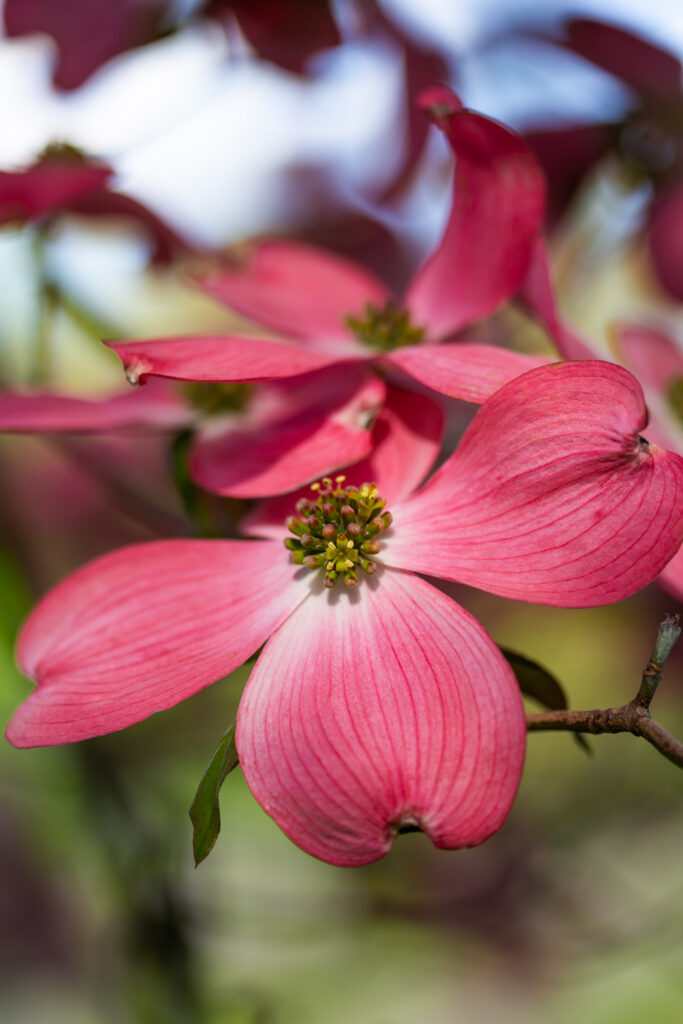
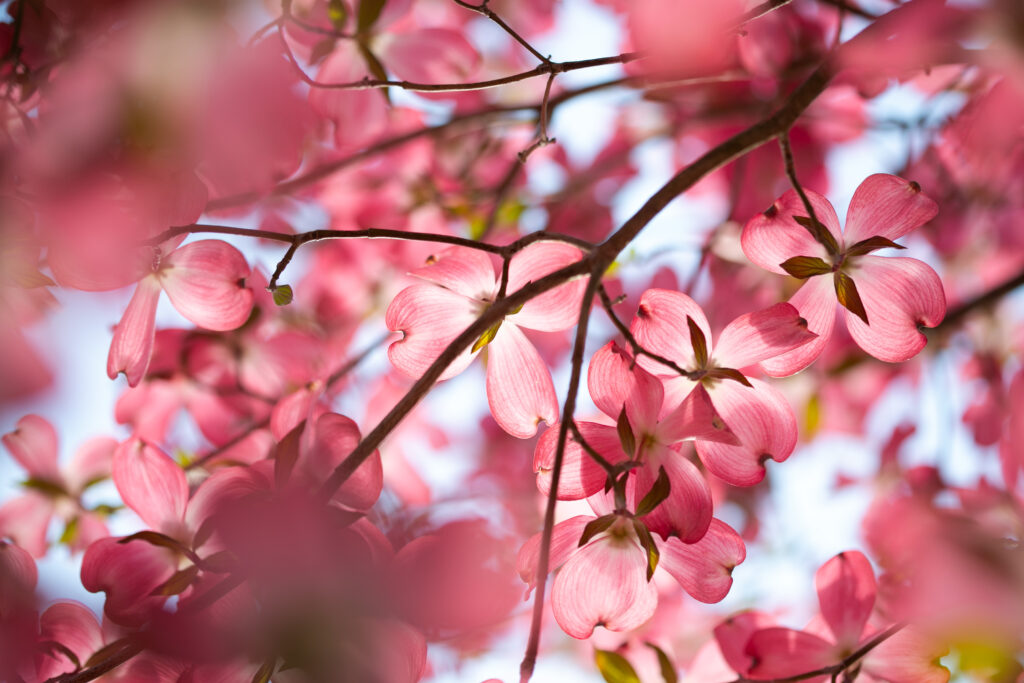
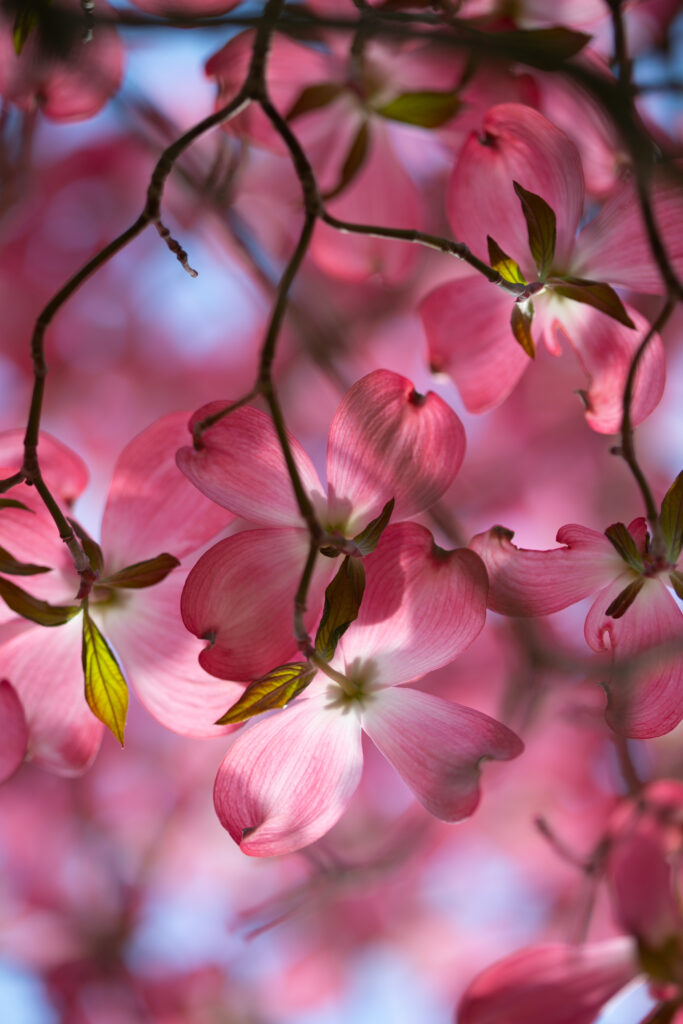
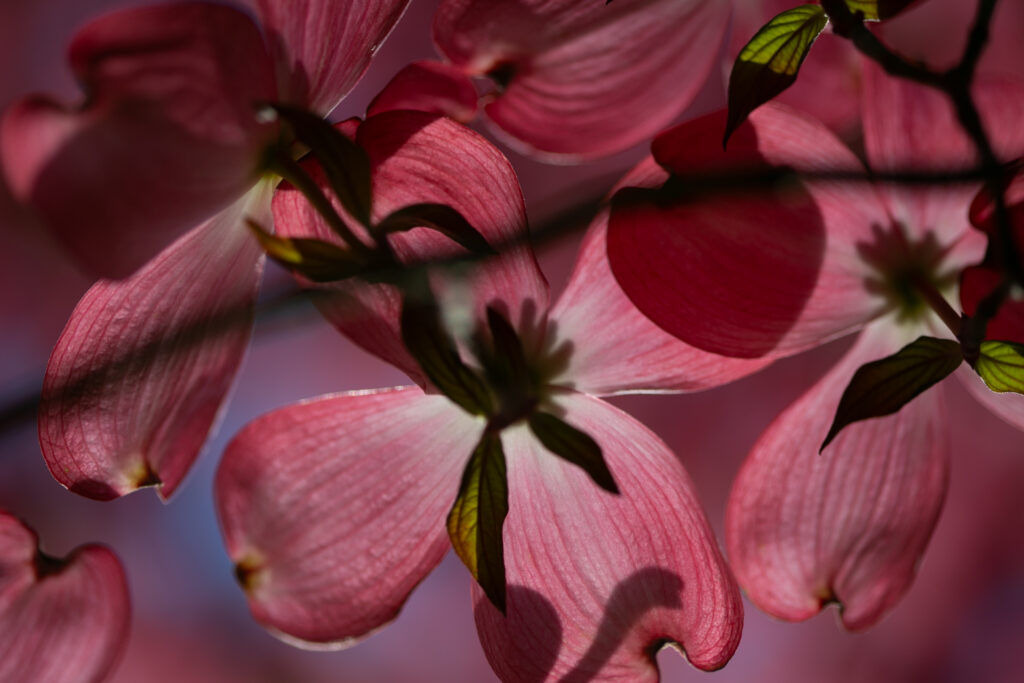
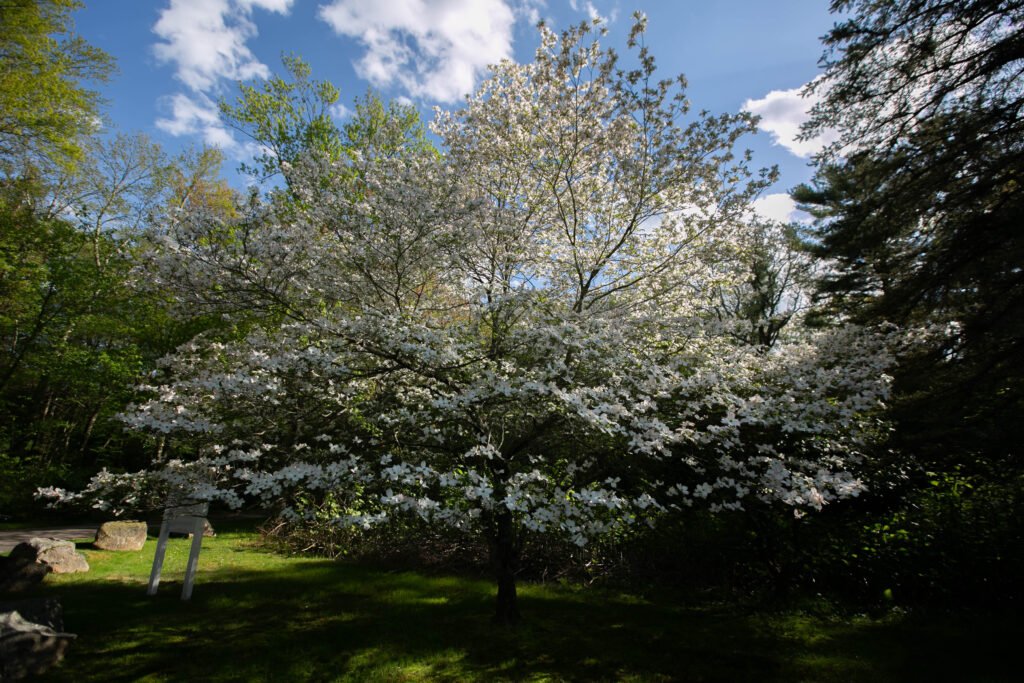
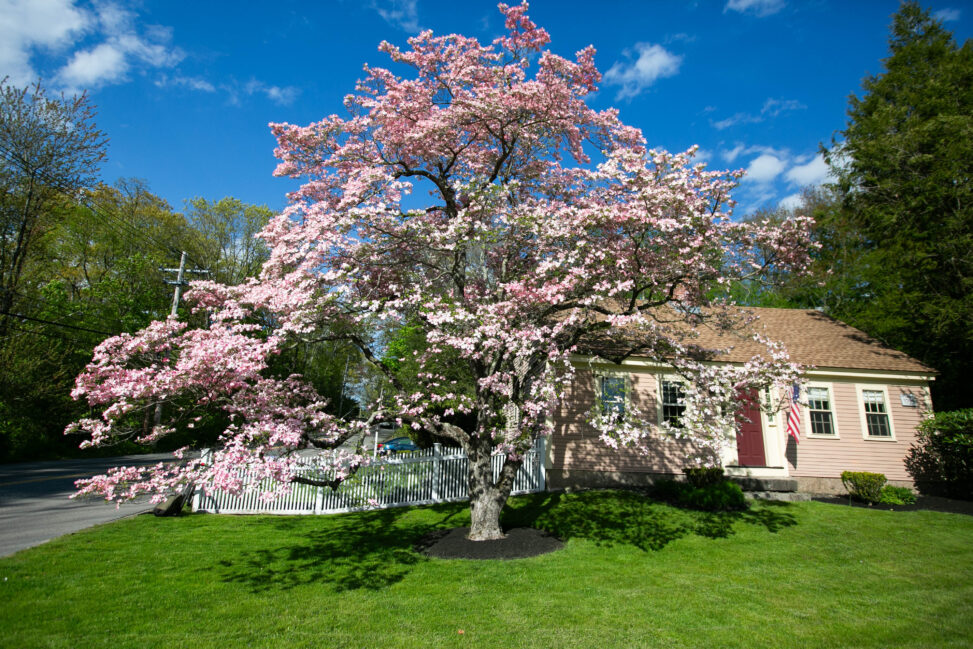
The good surprise came from the trees we don't usually meet in Europe outside the botanical gardens. These are dogwood, Cornus Florida by their scientific name, literally « Dogwood ». This dogwood is part of the Cornacea family. In western France we can cross his cousins, the blood dogwood and the male dogwood. I am not talking about horticultural species because there are a large number of them.
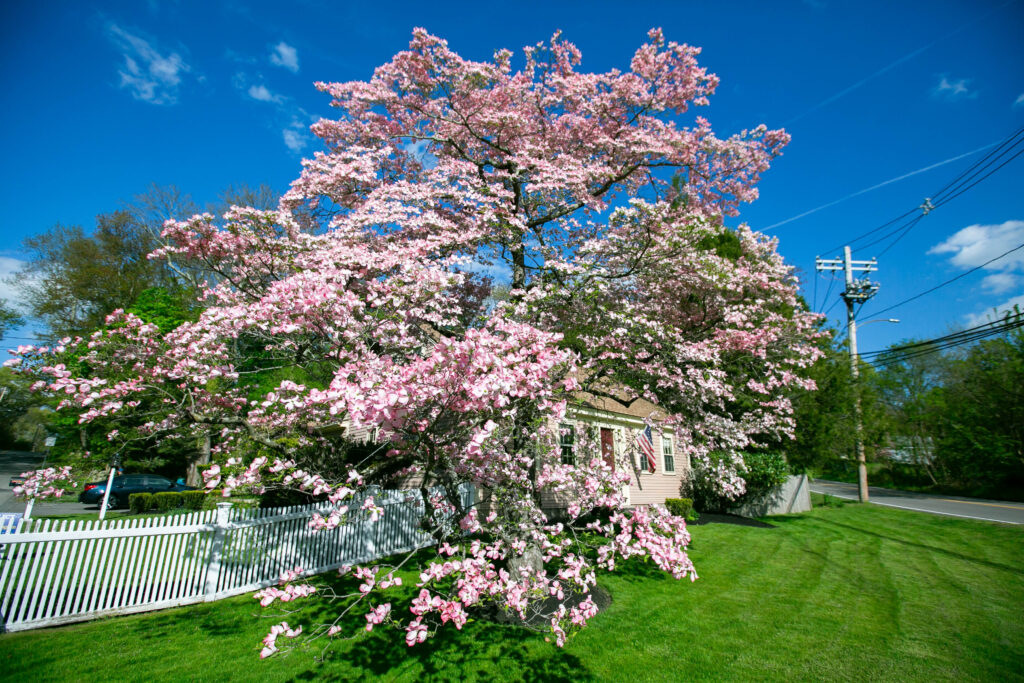
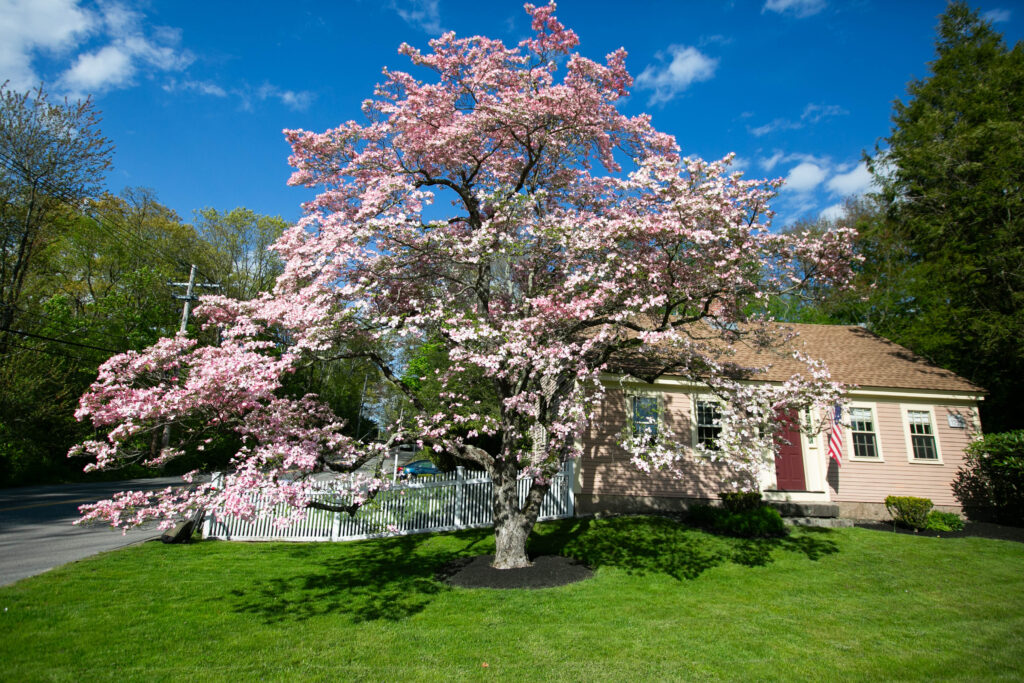
Dogwood also has a large number of species, about 50, which differ in colour from the time of their flowering. Unlike our European dogwoods, which are found in the form of bushes, the American East Coast dogwoods are trees, which can reach a height of 4 to 10 meters and as much in width with a trunk that can measure up to 30 cm in diameter.
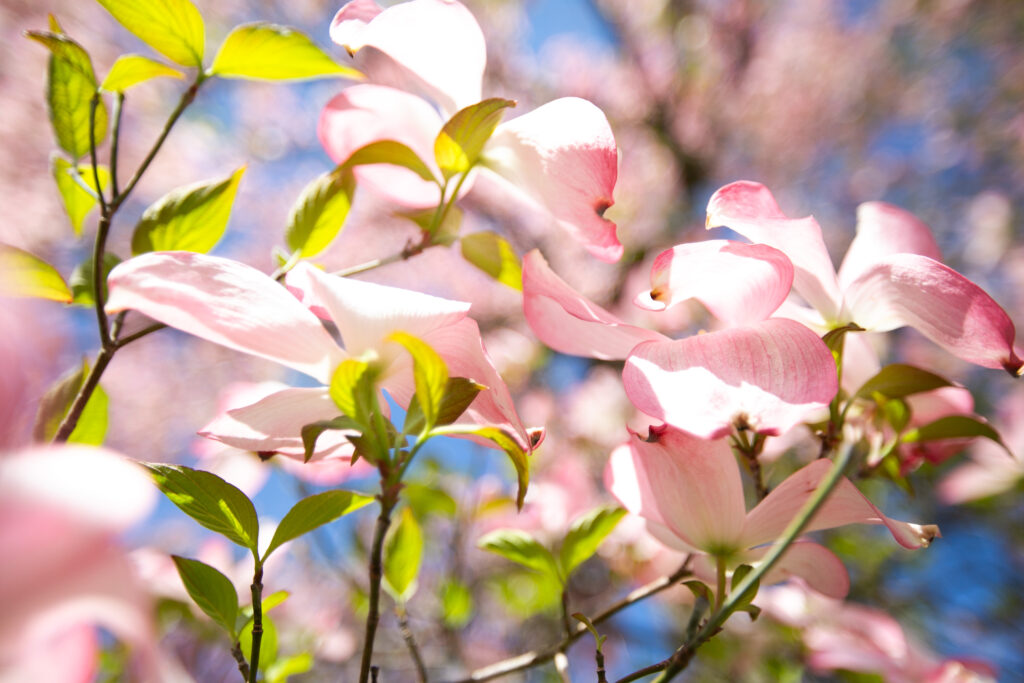
Dogwoods are very present in the American collective imagination and symbolize spring. Flowering occurs according to species from mid-March to mid-May. This flowering is quite spectacular because the flowers are large and cover the whole tree. The effect is increased by the fact that the flowers appear before the leaves. In reality the flowers are not very large, only 4 mm. They are arranged in inflorescences composed of about twenty flowers. The more spectacular visual effect comes from the fact that the flowers are surrounded by what looks like petals, but are actually bracts.
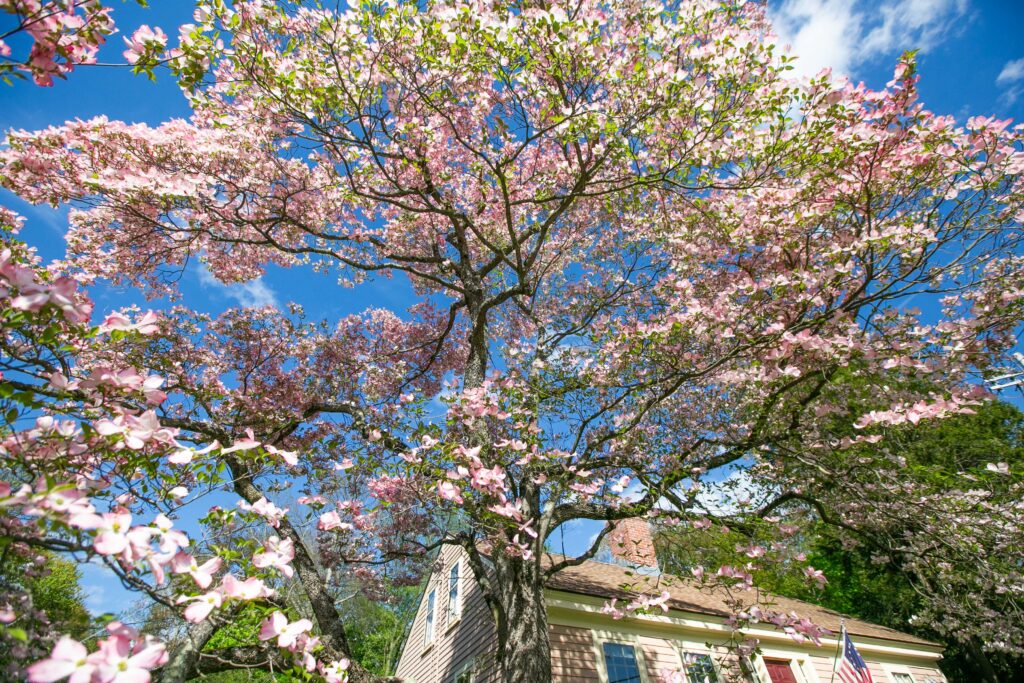
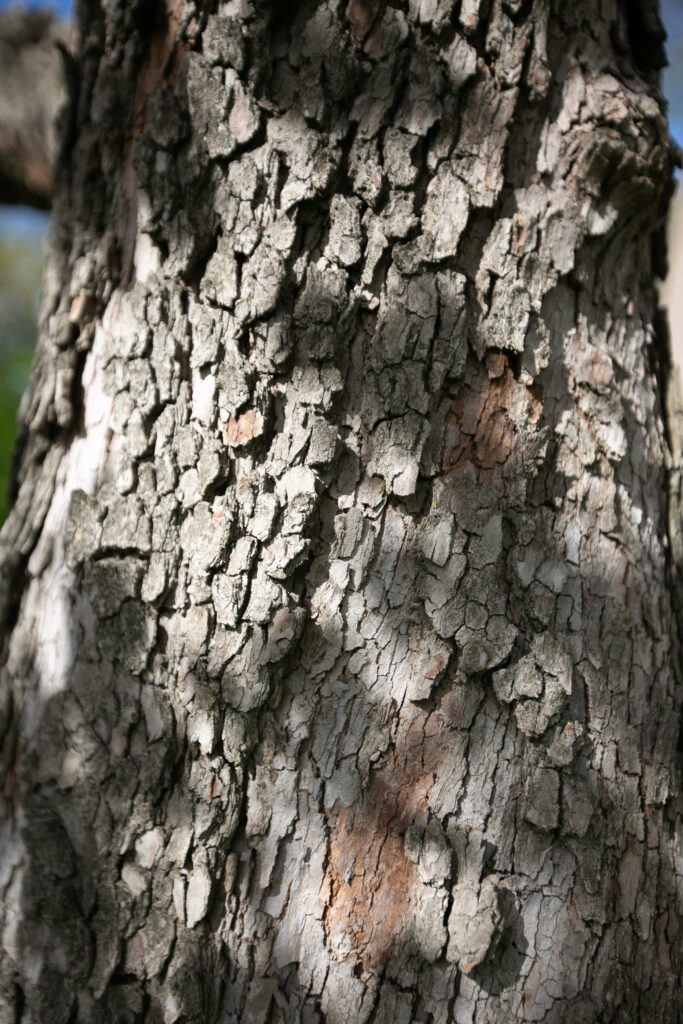
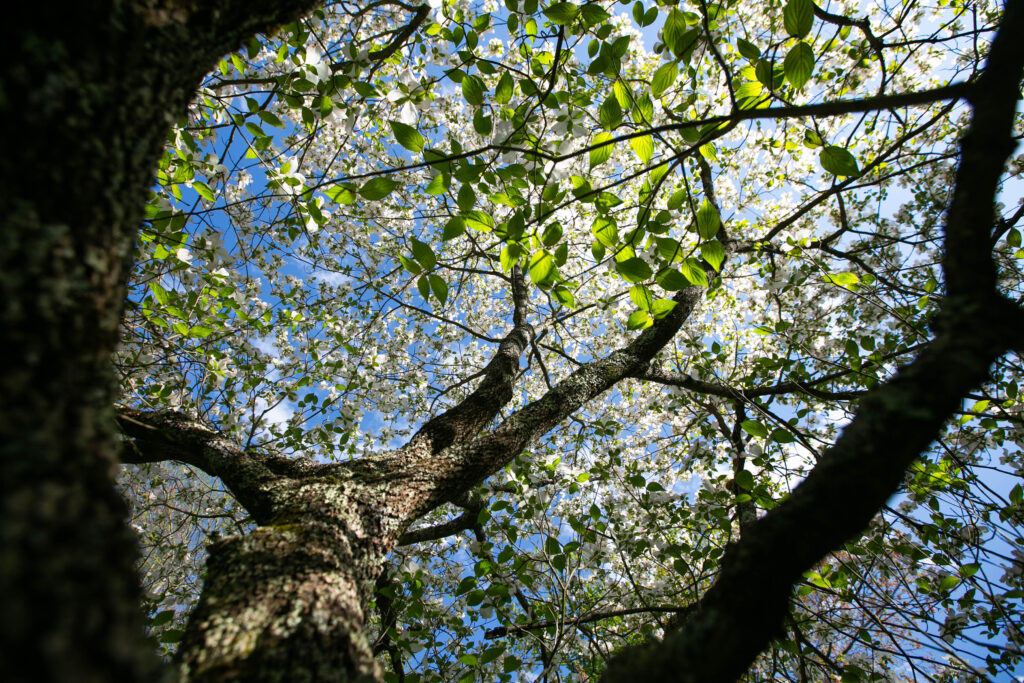
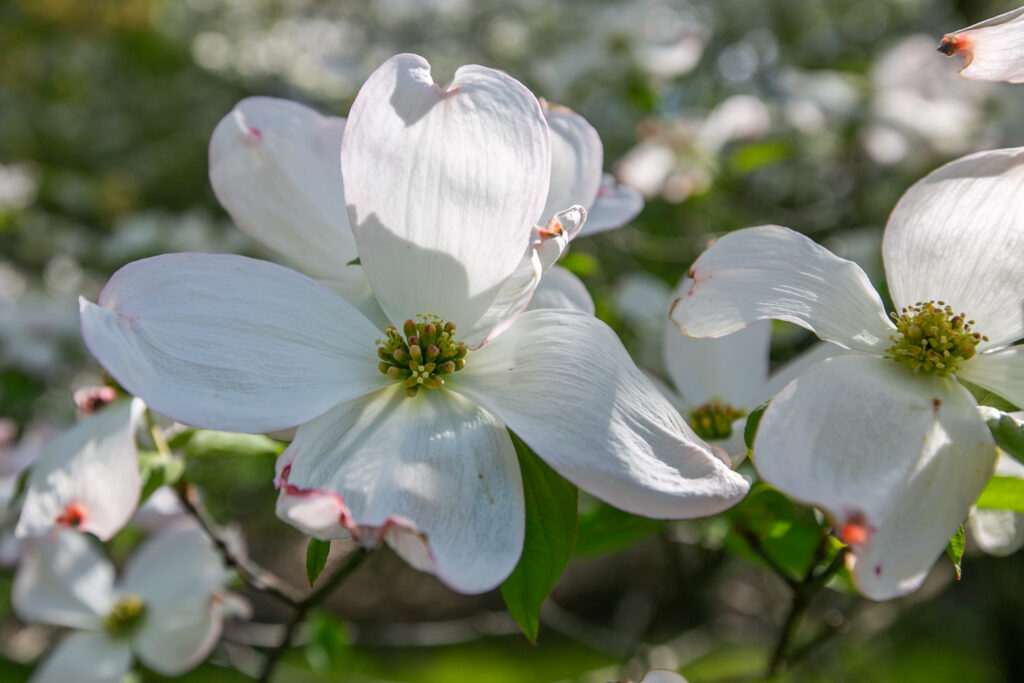
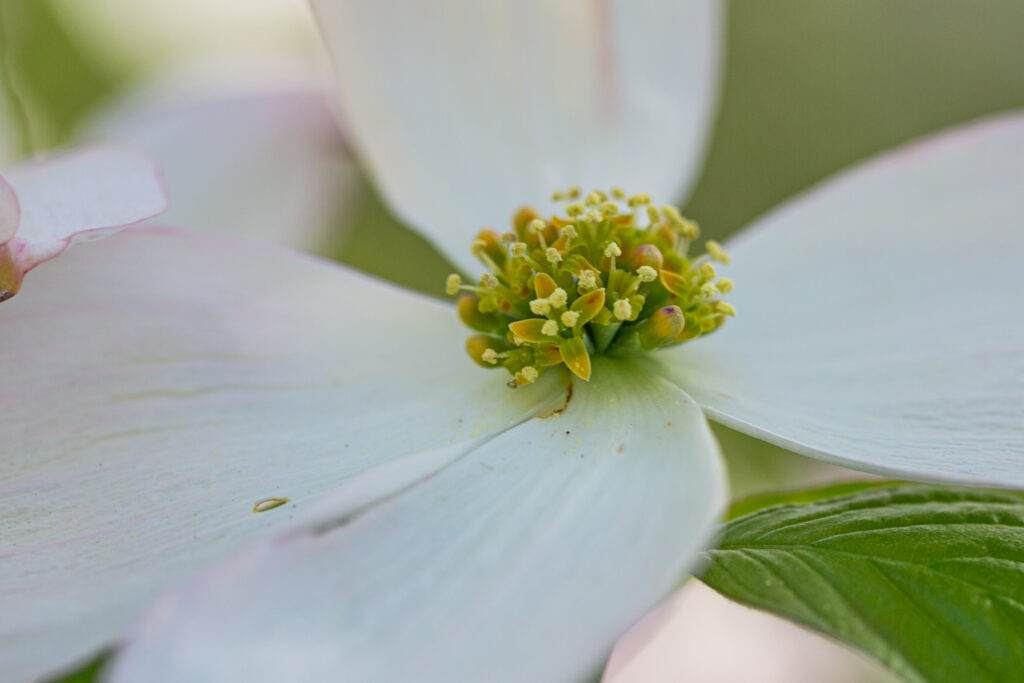
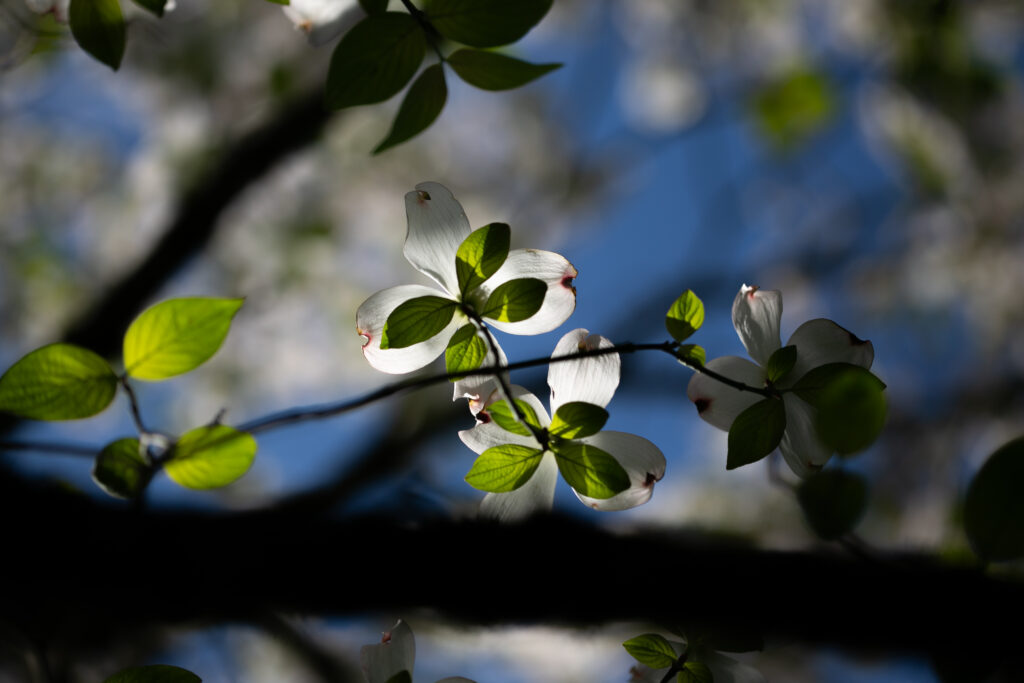
When flowers are pollinated, they gradually leave room for leaves. Pollination fruits are clusters of small drupes (2 to 10) that mature during the summer and take a bright red or yellow colour. They are an important food source for many bird species. These fruits are not toxic to humans but are extremely acidic and of unpleasant flavour. In autumn the leaves take on red hues and complete the colour palette of the maples. Fall ambiances are beautiful according to people living in Massachusetts.
Dogwoods are also host species for many butterfly species.
https://en.wikipedia.org/wiki/Eudeilinia herminiata
https://en.wikipedia.org/wiki/euthyatira pudens
https://en.wikipedia.org/wiki/Parasa indetermina
https://en.wikipedia.org/wiki/Cecistrina ladon
Dogwoods grow spontaneously in the northeastern United States, but some species are grown for horticulture, which allows for this variety. These cultivars include:
‘Amerika Touch-O-Pink'
‘Appalachian Spring
‘Autumn Gold'
‘Barton'
‘Bay Beauty'
‘Cherokee Daybreak'
‘Purple Glory'
Native Americans used infusion bark to make a cure for malaria. The species was then used to create a quinine substitute and to produce a scarlet dye (between bright red and orange). Hard and dense wood has been used to make the heads of golf clubs, and in the manufacture of various objects such as mallets, jewelry boxes, wooden rake teeth ...
Dogwoods need acidic and moist soil and do not support exposure in the heat, suggesting that these trees are threatened in the coming years. Forecasts of climate change for the eastern US are very similar to those we are beginning to experience in western France. Abundant but unevenly distributed precipitation, high heat, drought and mild winters. Such events may weaken these trees and make them more vulnerable to parasitic attacks.
In 1915, 40 young dogwoods were donated by the United States to Japan in exchange for Cerisiers Fleurs. Unfortunately, most dogwoods died while the flowered cherry trees survived. In 2012 the United States sent 3,000 young plants to Japan to commemorate the 100th anniversary of this exchange.
The presence of these trees in bloom around us has really coloured our days. These trees can be found all over the gardens, parks and forests. If you want to decorate your garden with this beautiful plant, it is possible to find plants of French production (Pépinière du Val d He needs fresh soil and half-shadow exposure. Plant small plants, spread the soil well and make sure that they do not miss water in the first months of planting.