Central Park
We planned to visit this park, for its mythical side, its exceptional dimensions (the largest urban park in the United States) and to see how this park adapted to the ongoing climate change.
Again this feeling of familiarity, it will take us a few days to appropriate the decor.
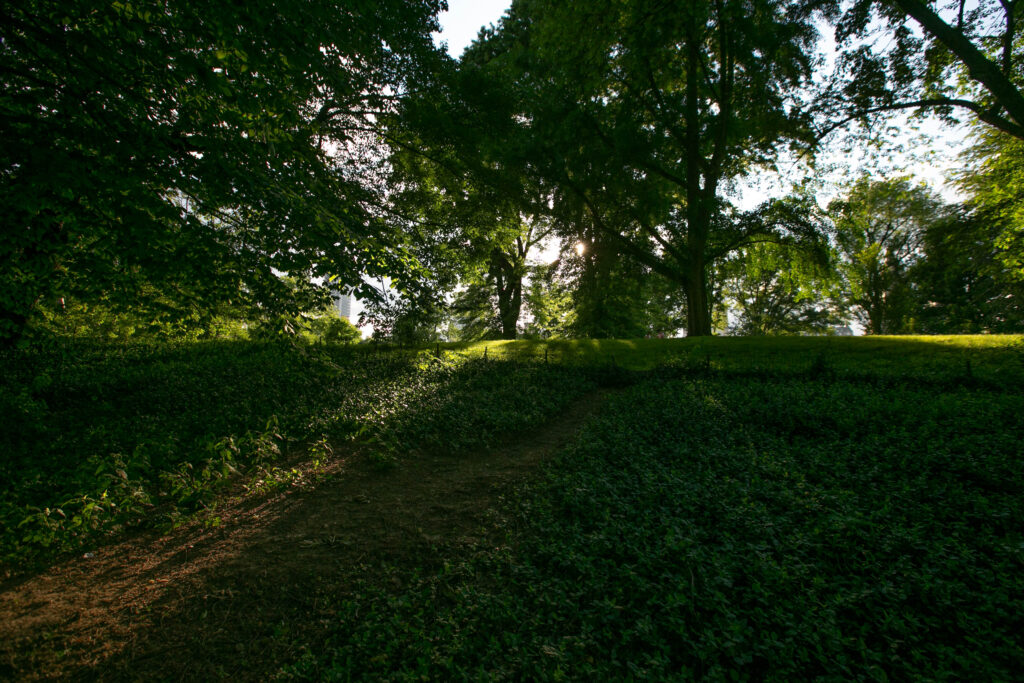
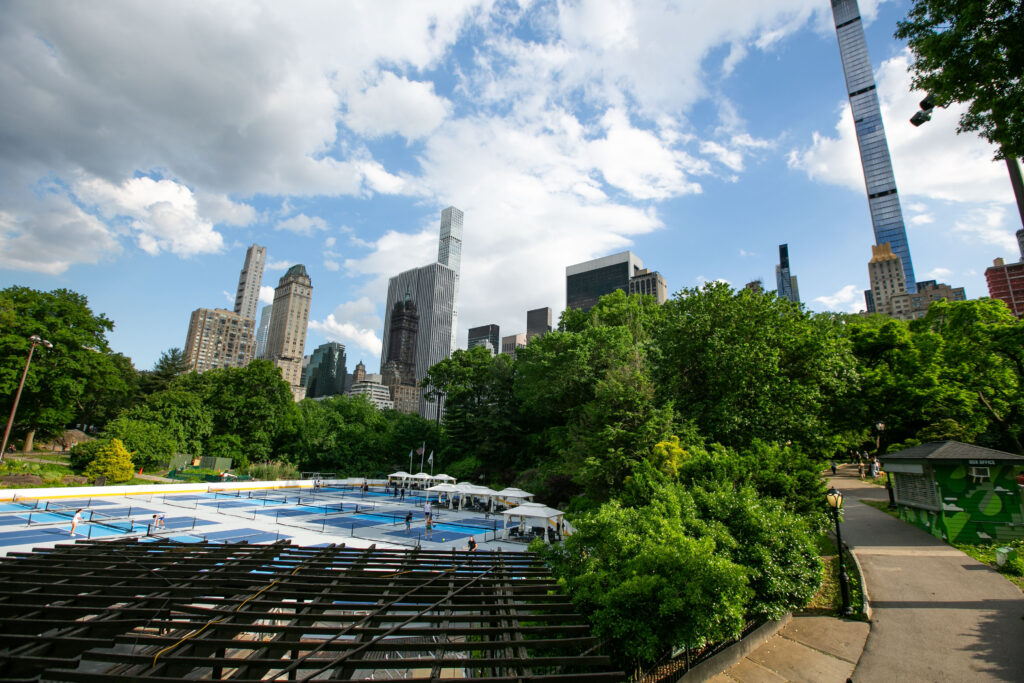
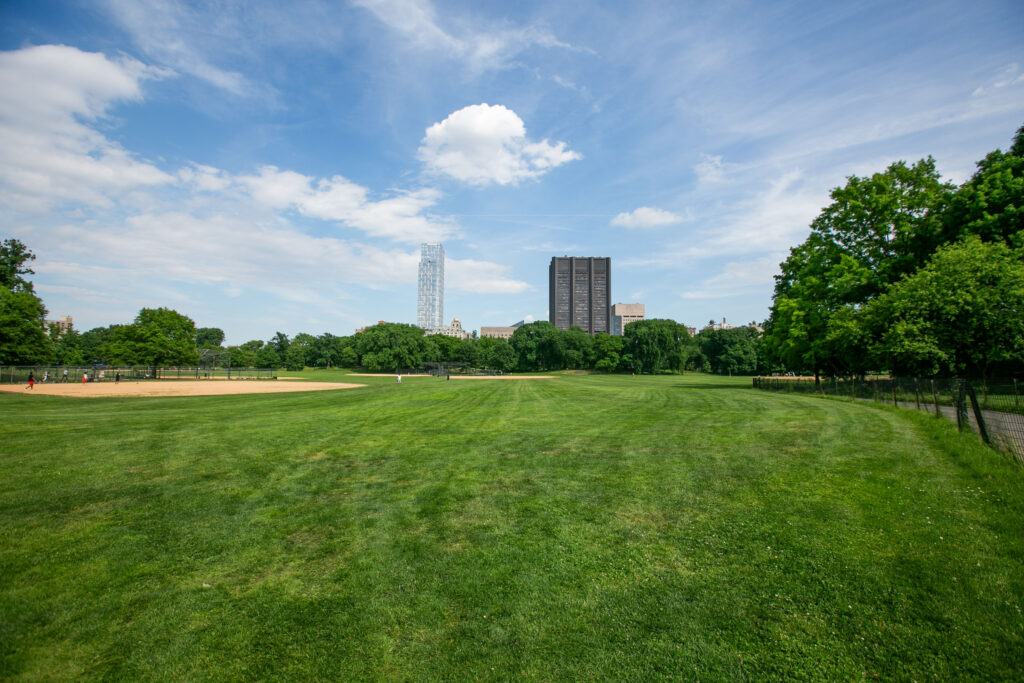
We return to the park for the first time by the southeast, near the zoo. It is the most touristic side: we are offered a carriage ride, there are plenty of salesmen of caps and other souvenirs. What strikes is not the park itself, we will soon see that it is not a conservation park but a lung of greenery and space, indispensable for the inhabitants. Here, not the rare species of azaleas, but large lawns that allow children to get off the ground, driveways without cars for joggers (very many!), and a place where to walk dogs, also very numerous. Large trees everywhere, which bring a real feeling of nature and well-being. The park is also inhabited by many squirrels and chipmunks (which are not just cartoon creatures), we will even meet a raccoon! It is also a gateway for migratory birds.
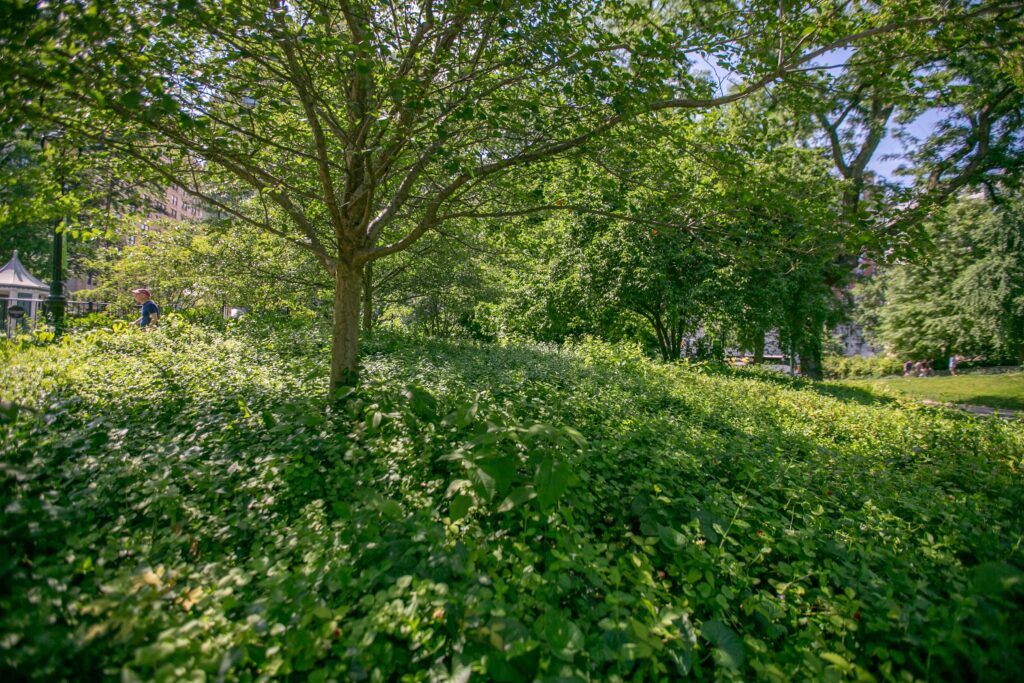
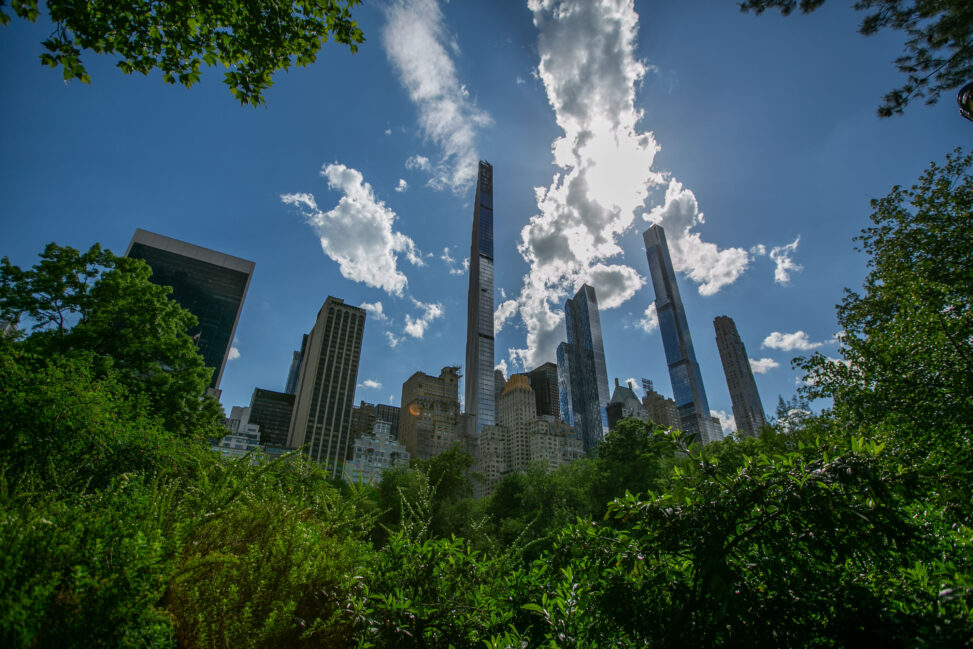
What is striking compared to other urban parks is the presence of such large buildings all around that form a framework.
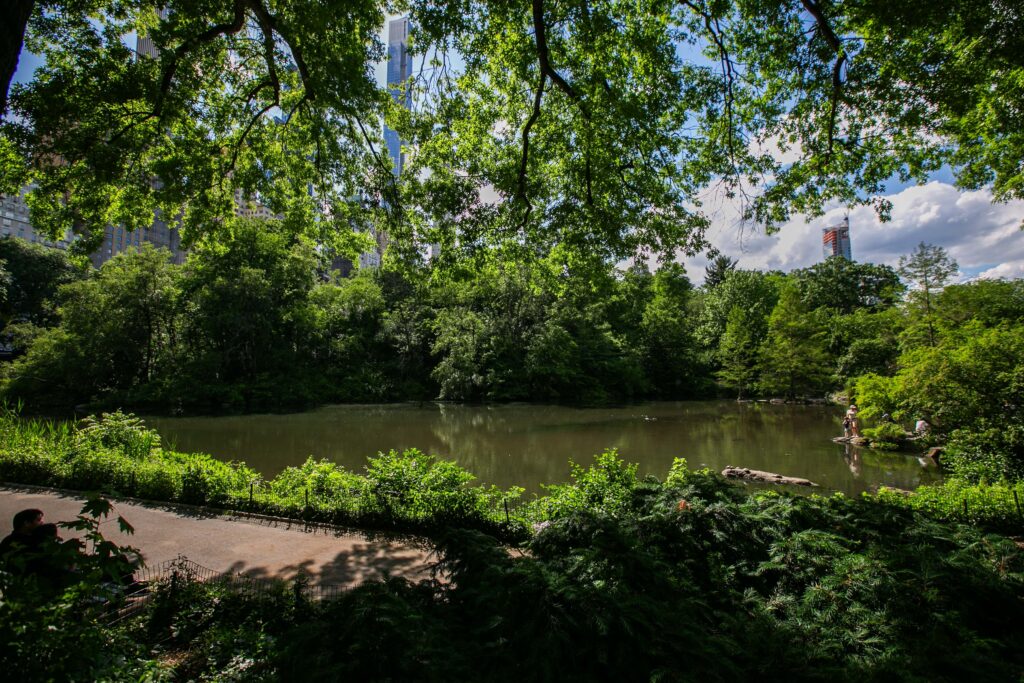
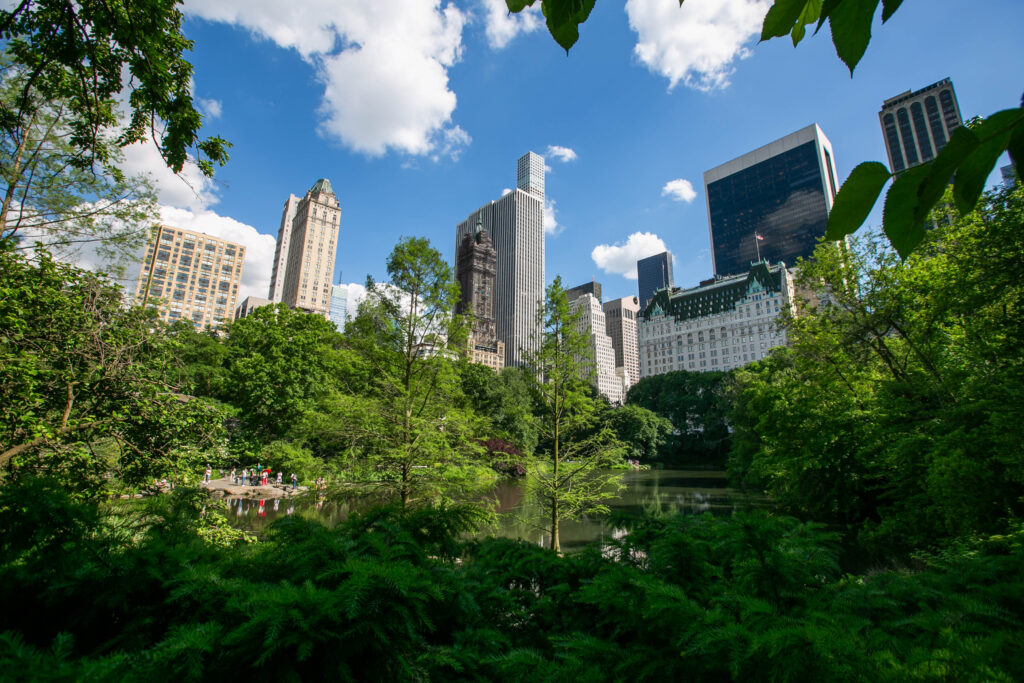
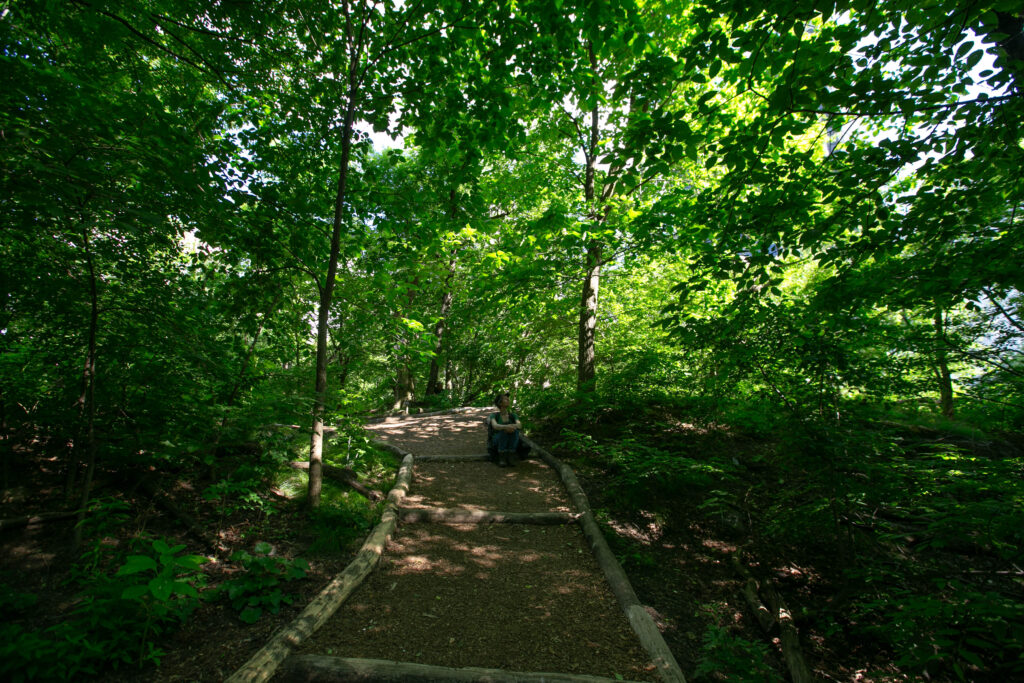

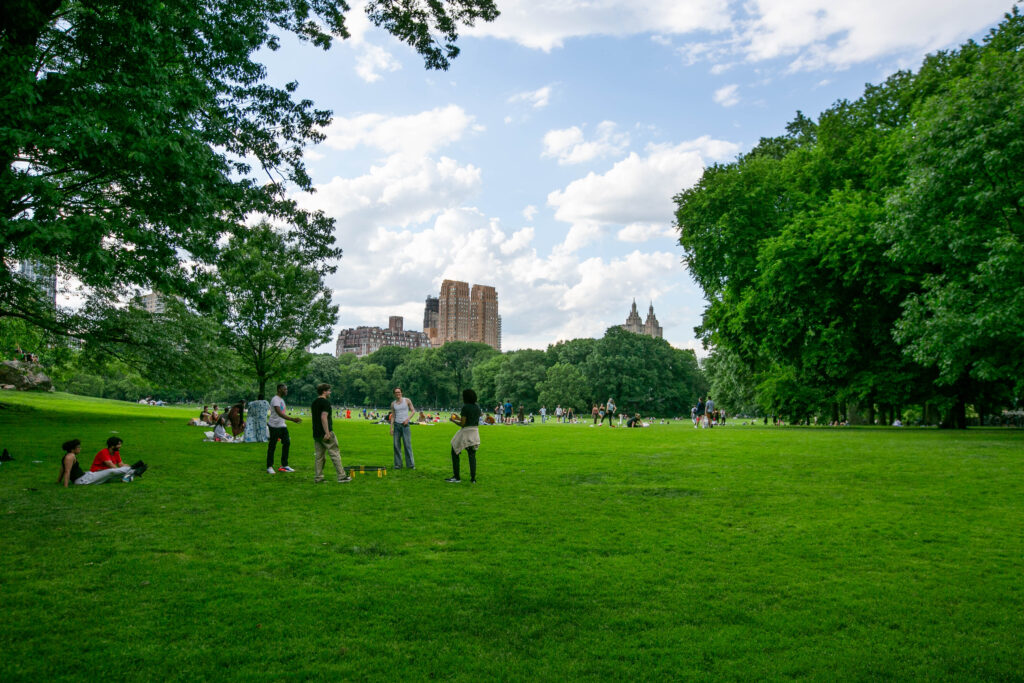
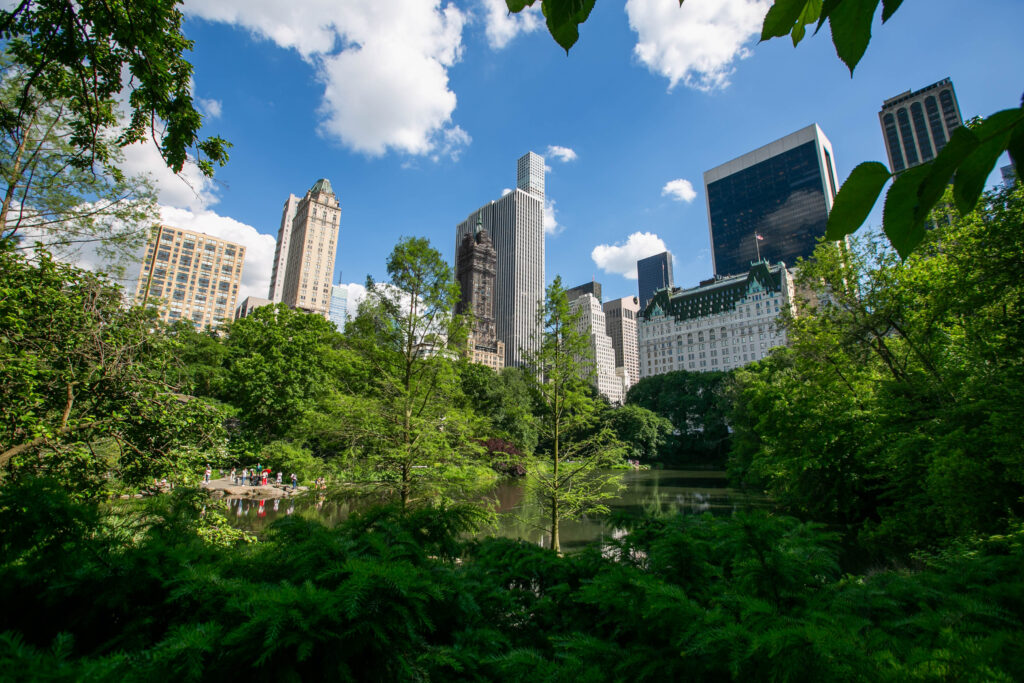
Central Park will be our red thread all week, on the one hand because it takes several days to discover it, and still superficially, and also because we needed our daily dose of chlorophyll and space.
We were also very happy to dive into it after passing through Times Square, a tourist epicentre, but which had the effect of having us run away by the aggressive screens, the noise and the oppressive sensation of the crowd.
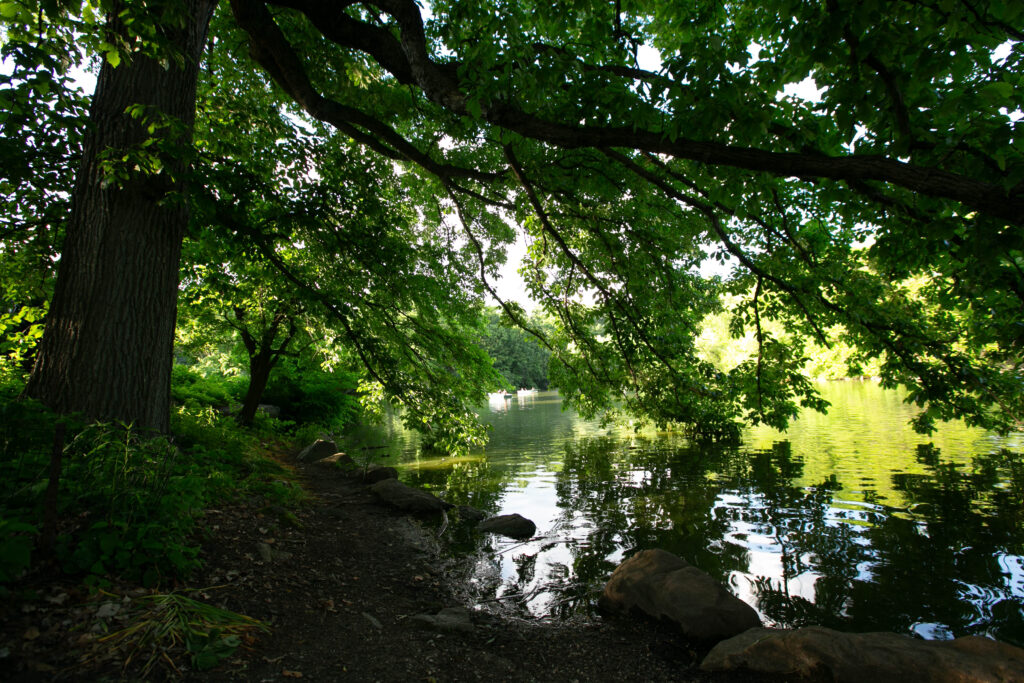
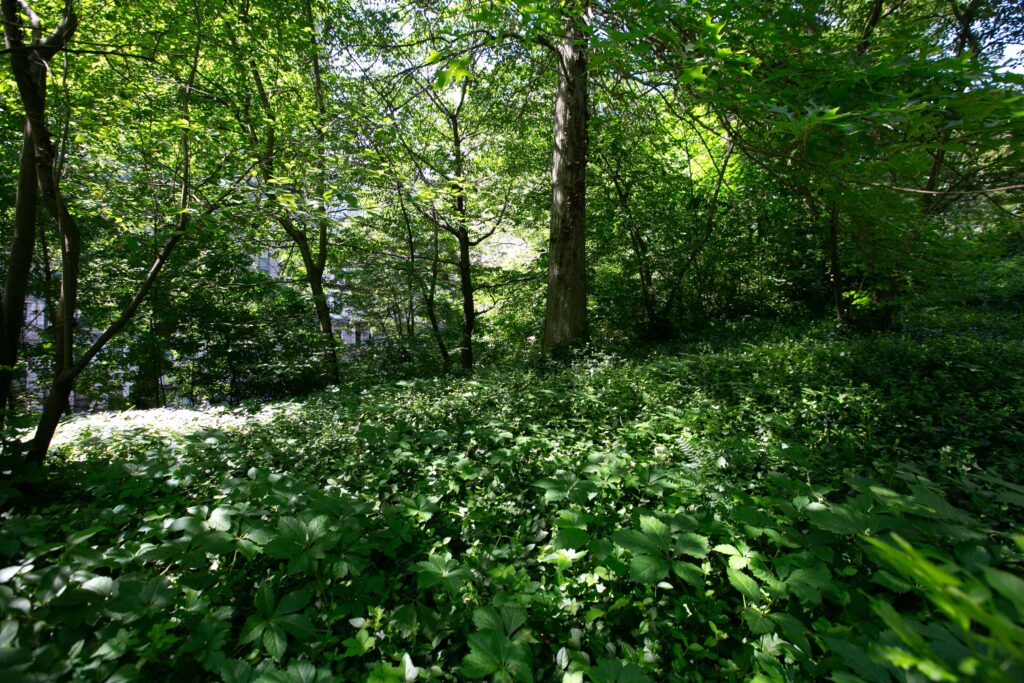
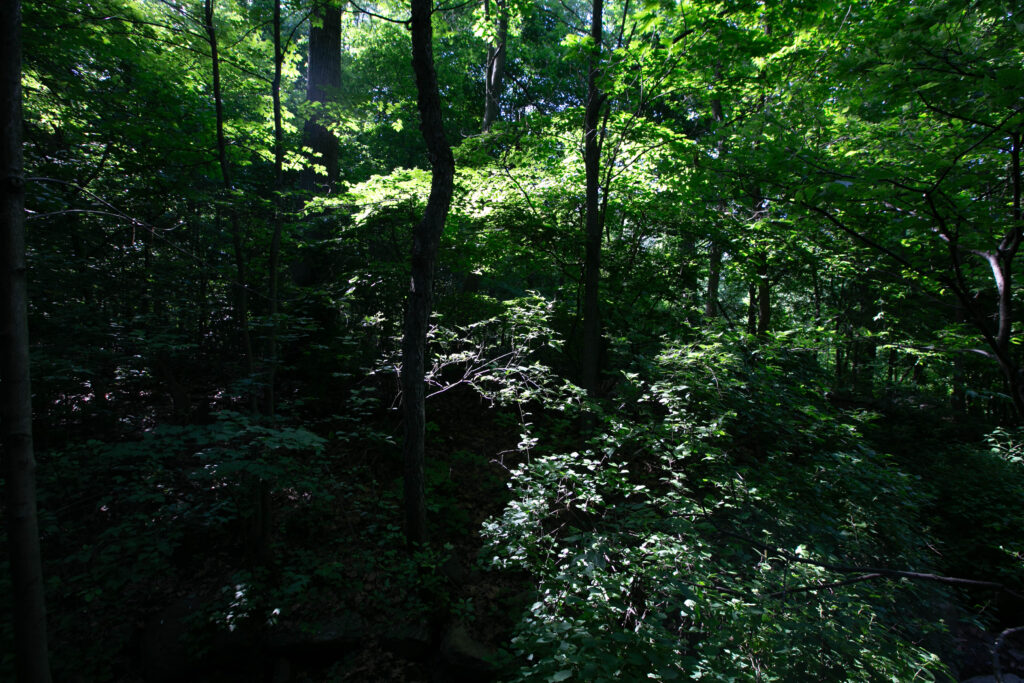
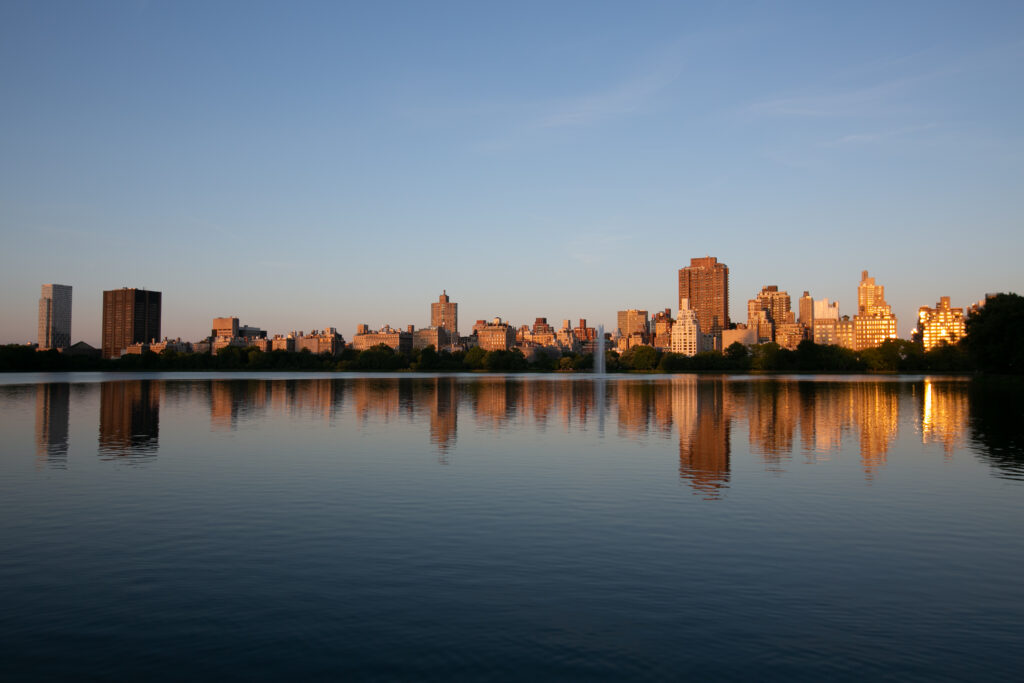
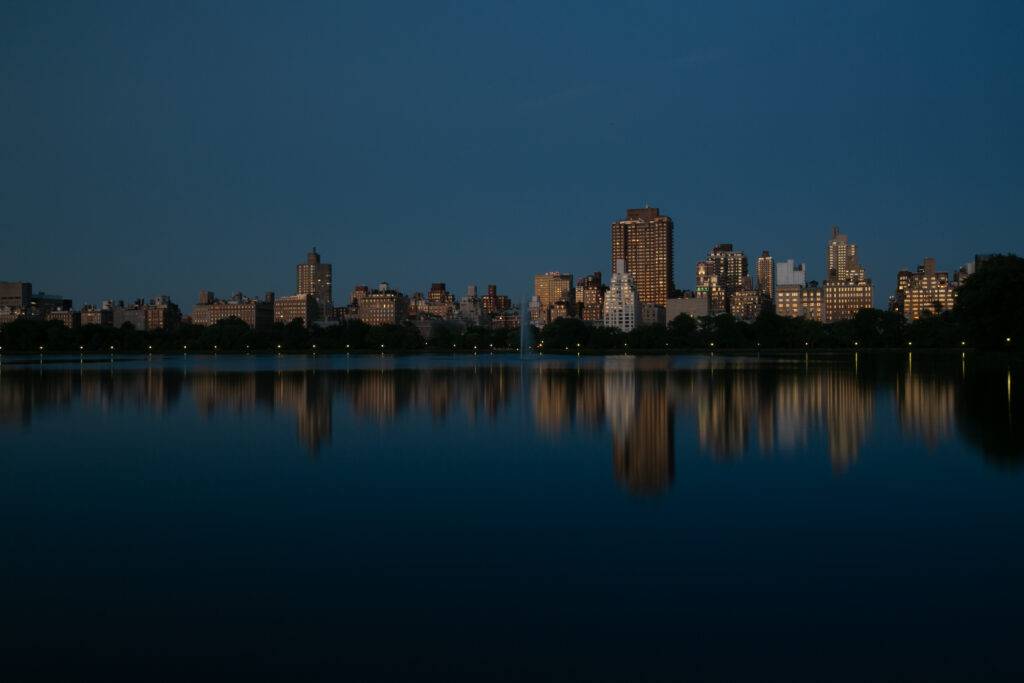
Central Park is huge (340 ha) and we will approach through several entrances. The more north we go, the easier it is to find cross-roads and the more the park seems to belong to the New Yorkers. Even further north, near a large lake, the Jacqueline Kennedy Onassis Reservoir, you arrive in a really quiet area, which is quite surprising in the middle of Manhattan. And what's more amazing is a park in the park, North Woods, which is incredibly quiet. There is experience of complete (almost) silence. It's a bird sanctuary, we forget where we are. This is where people come to sit to read or simply be calm.
When we arrived in Massachusetts, our stay in Holliston gave us another red thread to follow, which came to complete our project. While resilience and adaptation initiatives are not the majority in the region, we have been able to dive into the history of U.S. urban parks by following the footsteps of Frederick Law Olmsted. With his partner Calvert Vaux they won the competition for the realization of Central Park. What put us in his footsteps is the bond that united him with the former occupant of our cottage and farm that our guests acquired a few years ago. FLO (Frederick Law Olmsted) has travelled throughout the United States and part of the world. These trips allowed him to think of theories about the relationship between man and plant. Until it came to the conclusion, which is still topical, that citizens of a city should have access to spaces of nature and life, for their physical and mental well-being and for American democracy. Just that! He said that at the end of the 19th century. More than a century later these are still our concerns. FLO and Vaux created one of the first landscape designer agencies in the United States. Throughout the life of this agency, which saw the successors of FLO's heirs, more than 6,000 projects have emerged.
Among these projects, FLO has considered the plant and in particular the acclimatisation of plants from other regions. Parks and acclimation gardens were common and brought together the plants that explorers brought back from their expeditions. FLO conducted its project in the form of an arboretum in Boston. We will detail it in another article.
Let's go back to Central Park. After their victory in the competition, the FLO and Vaux agency started building the park.
To tell the whole history of construction would be too long and a little boring in a single article, let's just stop at a few key figures that allow us to see the colossal work that this represented and the off-standard dimension of this park.
The work spanned about 15 years. It was necessary to evacuate hundreds of thousands of m3 of land and bring back 18,500 m3 of more fertile substrate to allow the plant palette planned by the designers to adapt to the poor soil of the park. According to Wikipedia, earthworks required more powder than the battle of Gettysburg during the civil war, known as the most deadly battle.
The park now has 20,000 trees. 235 bird species were observed over one year and 10 mammal species.
This diversity stems from the fact that the park offers a variety of habitats. Large lawns punctuated with high-jet trees alternate with ponds and ponds surrounded by wood up to a small river undergrowth.
The maintenance of these different areas is graduated according to the uses. There are large parts of lawn that are mowed to meet the need of users to access these spaces. The massifs we have seen are mainly made up of wild plants. This choice is wise, because they do not ask for any follow-up, probably just a brush removal at the end of the summer.
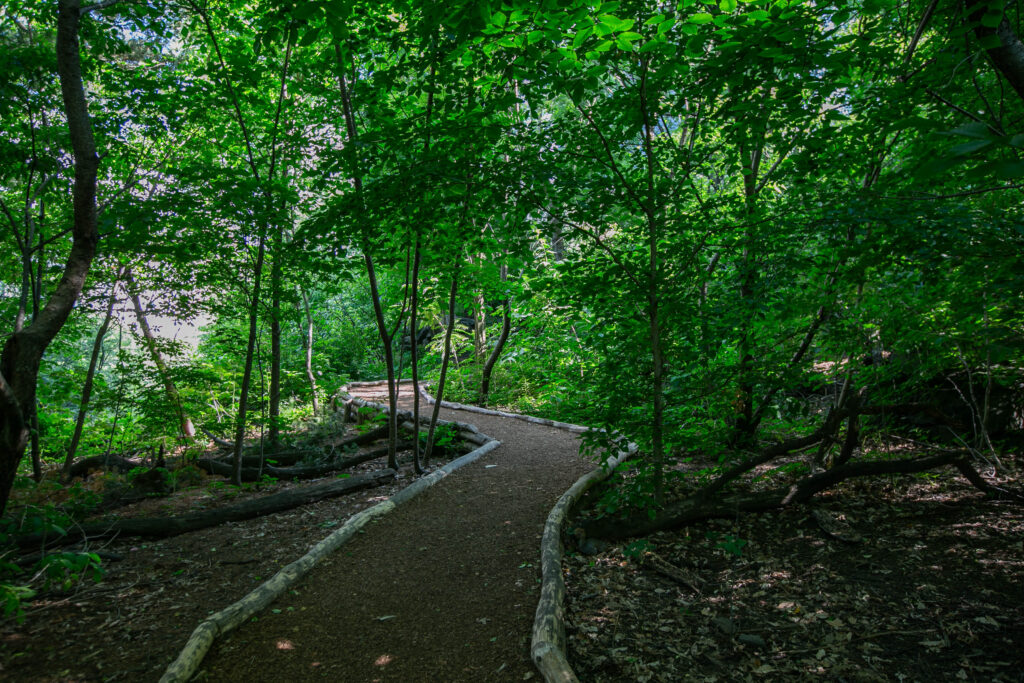
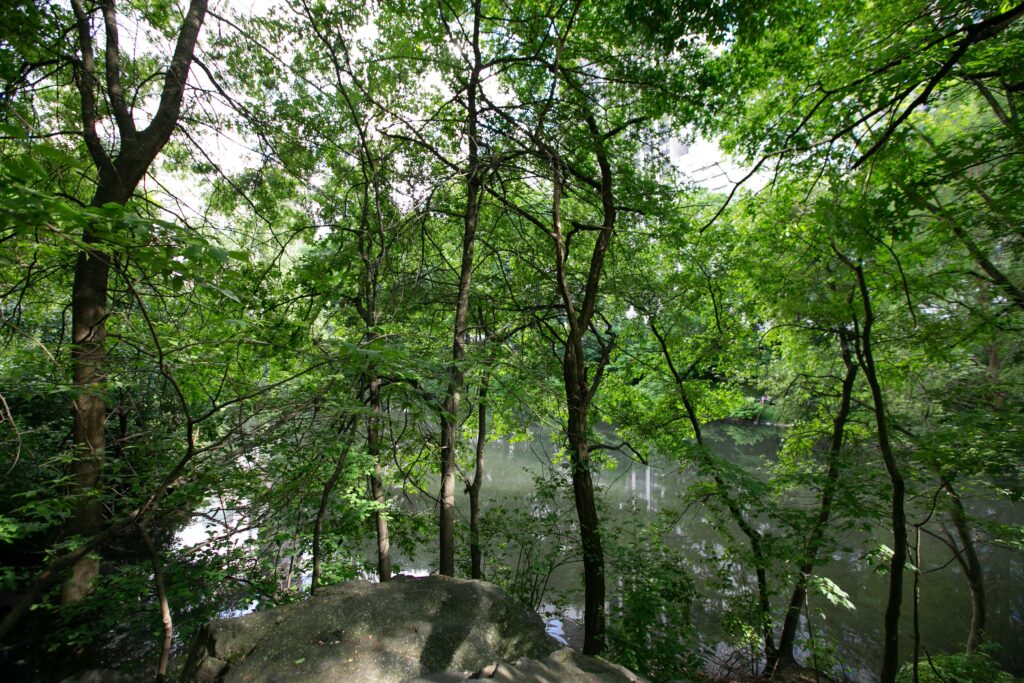
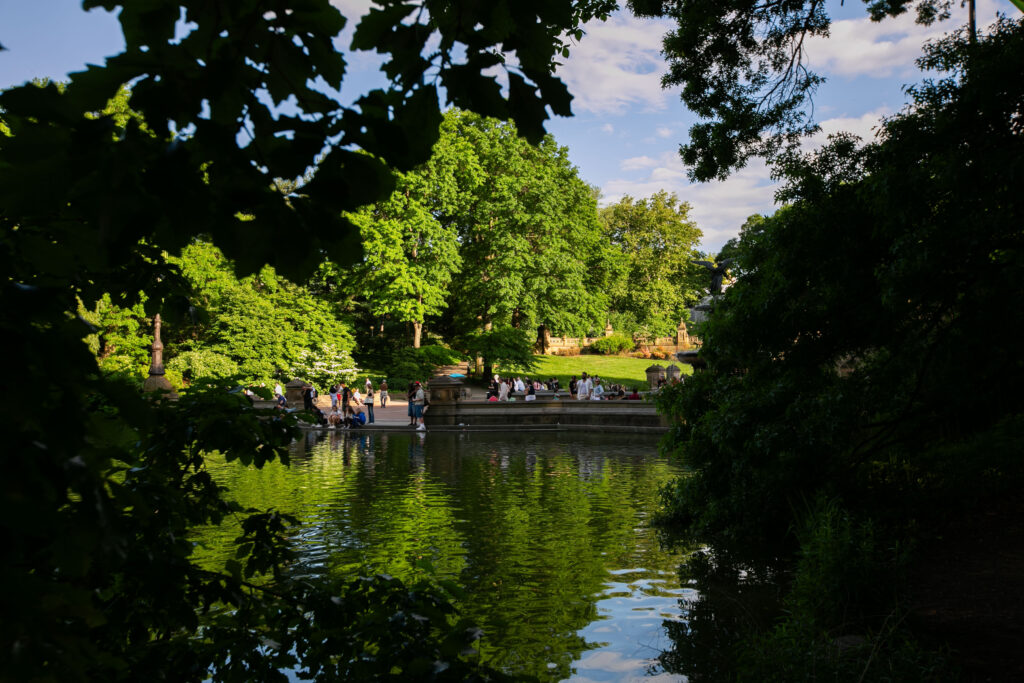
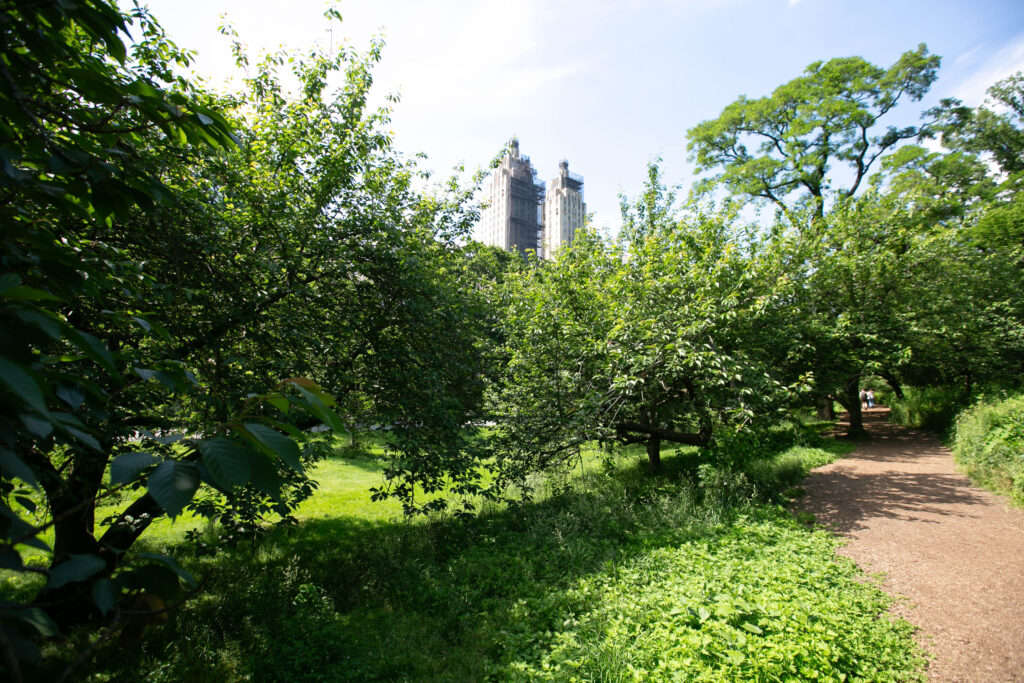
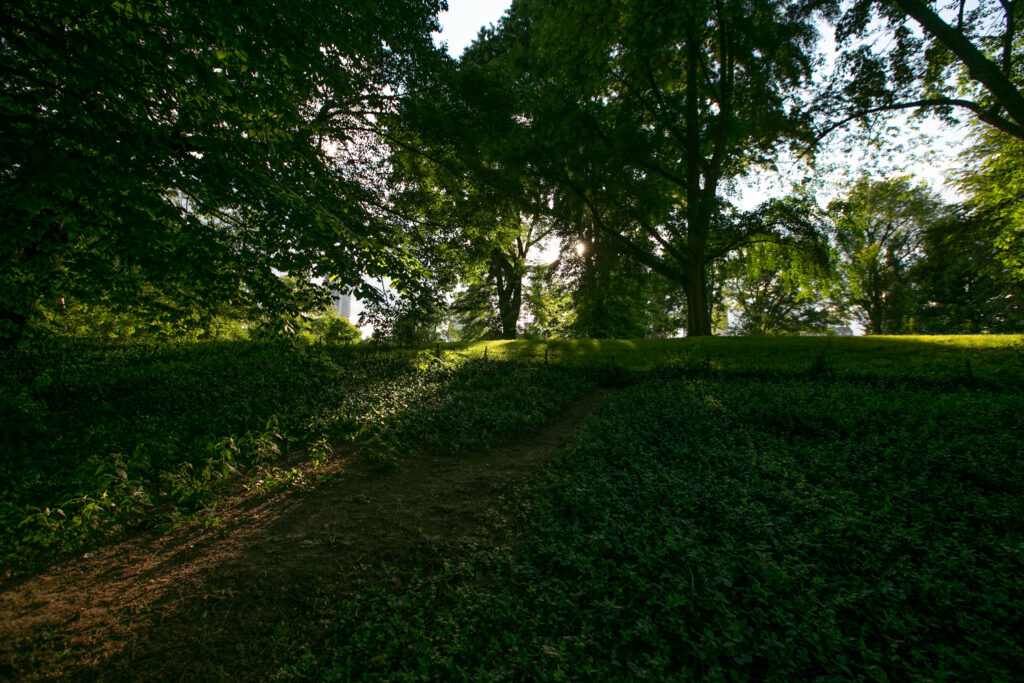
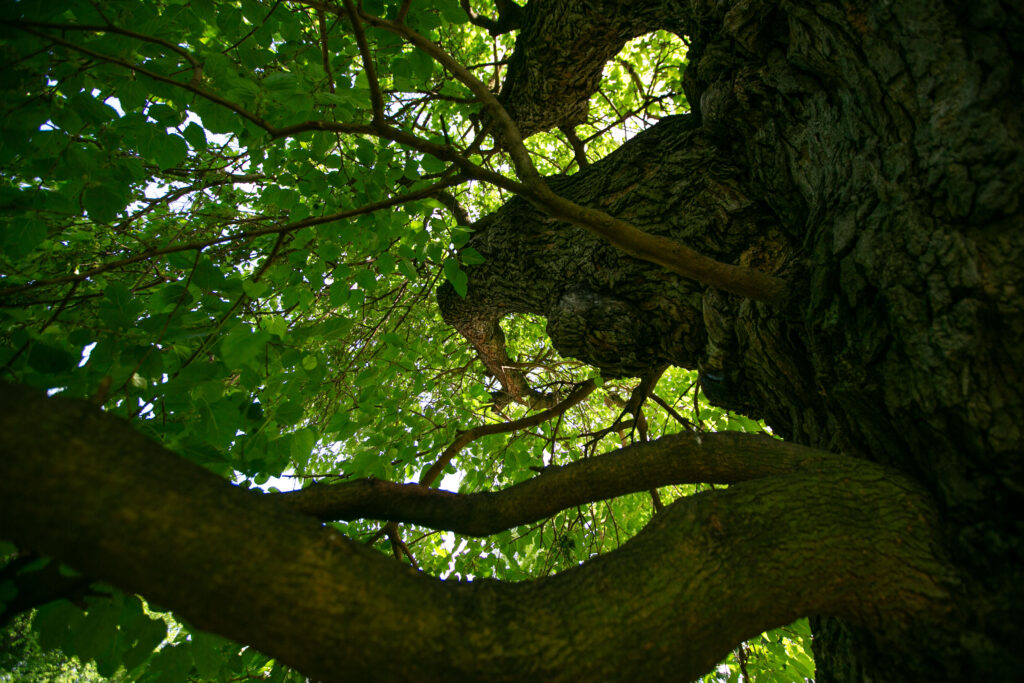
We were able to survey different places and perceive that the feeling was different depending on the vegetation. As you were told, this city seemed familiar to us by the flow of images that accompanied us during our childhood and which still flood us sometimes in American cinema. But this is the idyllic and advertising side that we see. It's quite rare to see images of the streets under construction (scaling in almost every street), monster traffic jams, helicopters and planes. All this traffic generates a deafening noise. Central Park was therefore the ideal refuge to get away from this brouhaha. The areas where sound is least noticeable are the North Woods, which have the highest plant density and thus the greatest noise reduction efficiency.
Because of its greatness, we were unable to get into all the details of the park. It would take almost a week to go around and spend in each place. To make the link with our theme, we ask about the evolution of the tree heritage. Its 20,000 trees are mainly local species from the eastern American coast. Current changes may weaken some of the current species (chêne, tulipier, liquidambar, maple...). How will these essences adapt, can they simply adapt? These questions remain unanswered for the time being. Trees do not seem to suffer. We haven't seen many new plantations in the areas we've been through. We also failed to meet with people in the maintenance department to ask them about a possible thought for species renewal. The Central Park site, « central park conservancy » (link at the bottom of the article), mentions restoration and improvement work. To be continued...