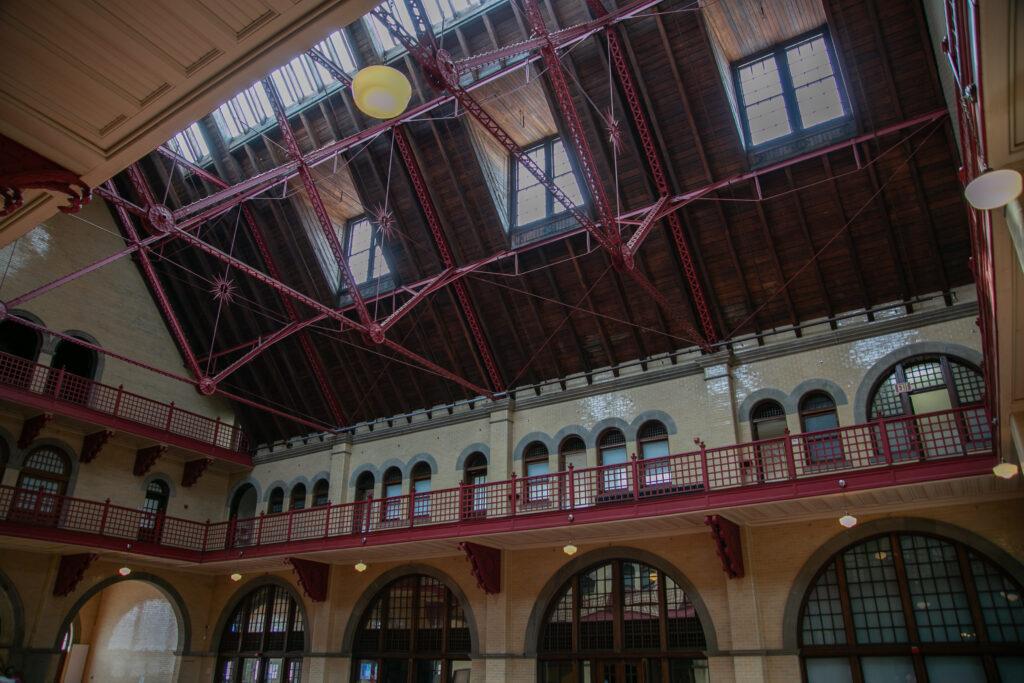
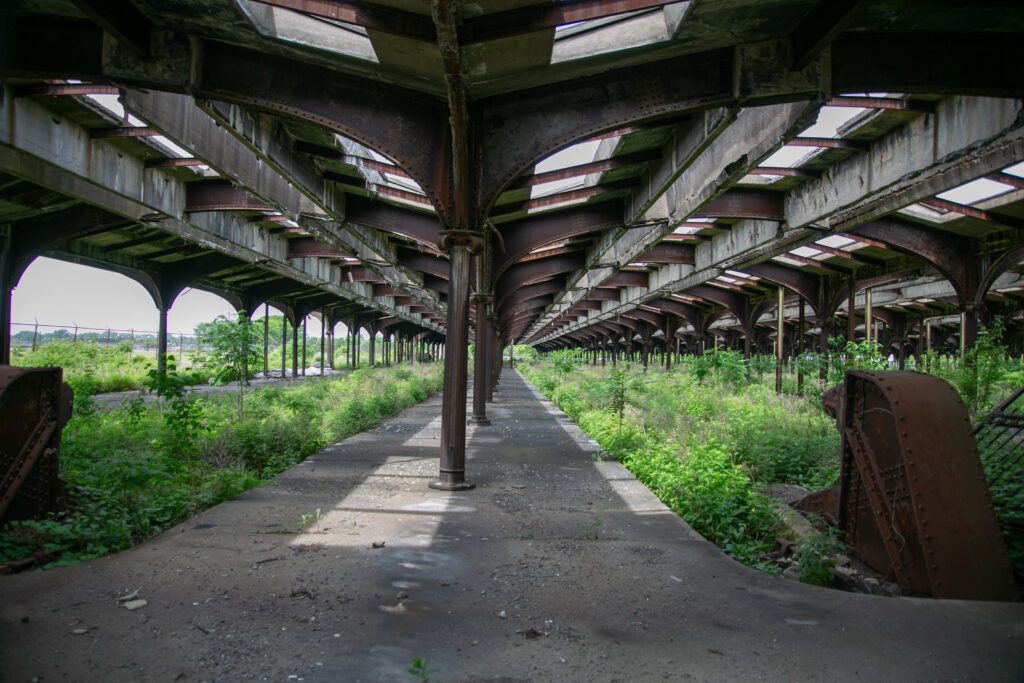
There was a museum that we didn't want to miss, it was Ellis Island, the museum of immigration. We had noticed that our accommodation was close enough to the island and that there was a bridge to reach it on foot. Perfect, it was Sunday, it was good to get home early. Walking through Liberty State Park, which offers a beautiful view of Manhattan. When we arrived near the bridge, we started to engage when we heard a knock of horn. It came from the big police car parked at the corner. Rotating engine to make the air conditioner work and refresh its occupant. We were told that it was not possible to walk to the island and that the ferries connecting the islands should be taken. So we headed towards the pier, which allowed us to admire the magnificent restored station hall and the old docks of the abandoned station, a striking contrast.
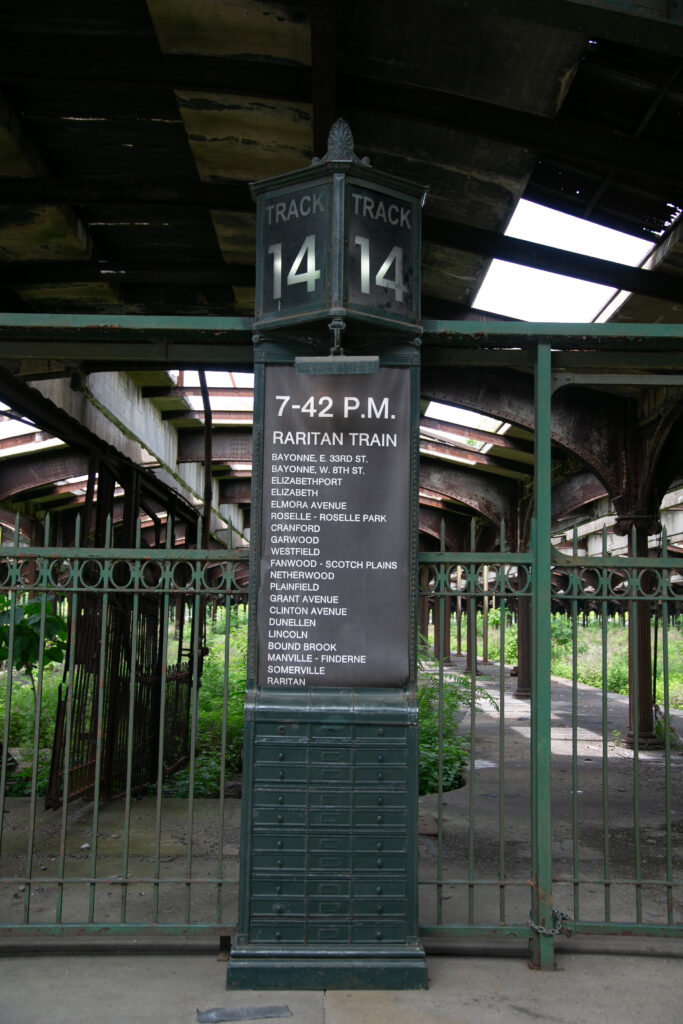
To access the boat we had to submit to an airport-worthy check. No bowl, Manu had his opinel in his pocket... Turn around to find a flowerpot where to hide it and finally be able to board an old raft that dropped us off on Ellis Island.
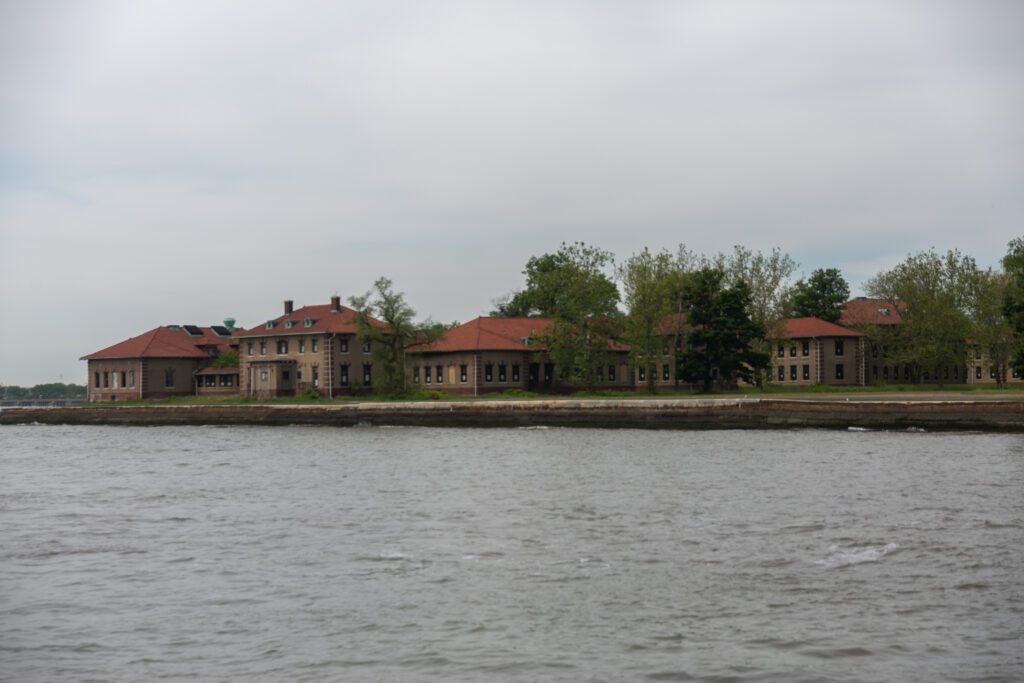
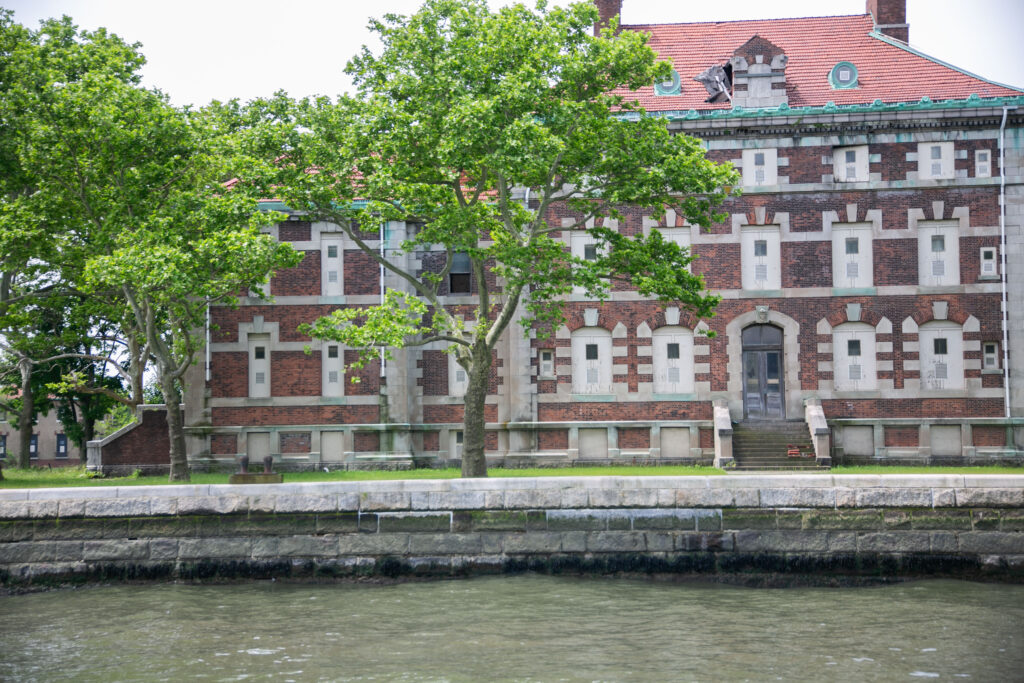
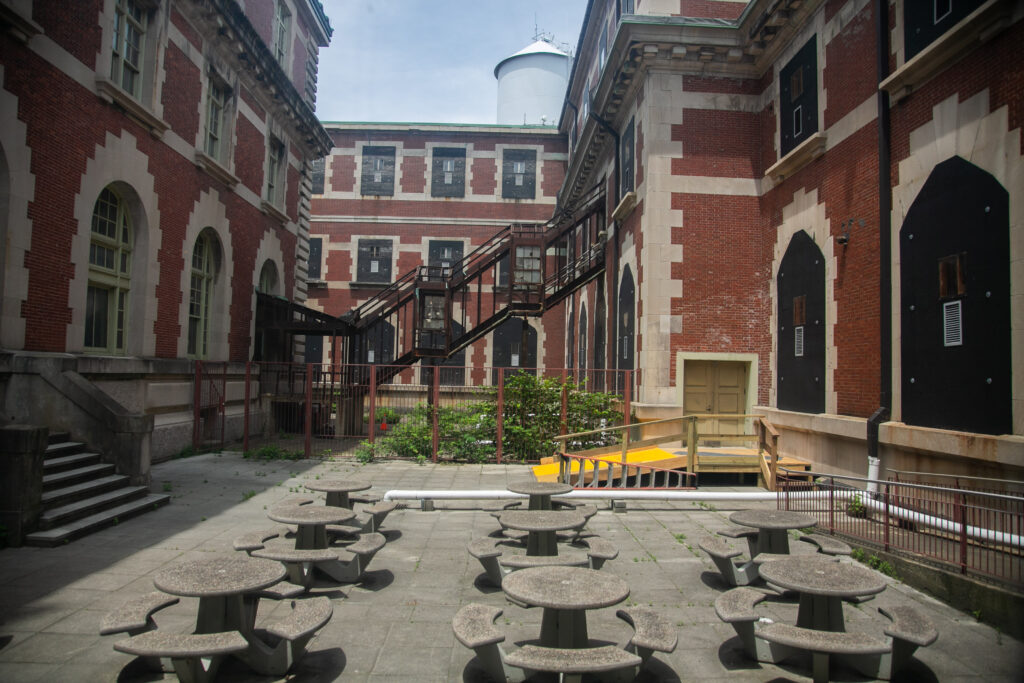
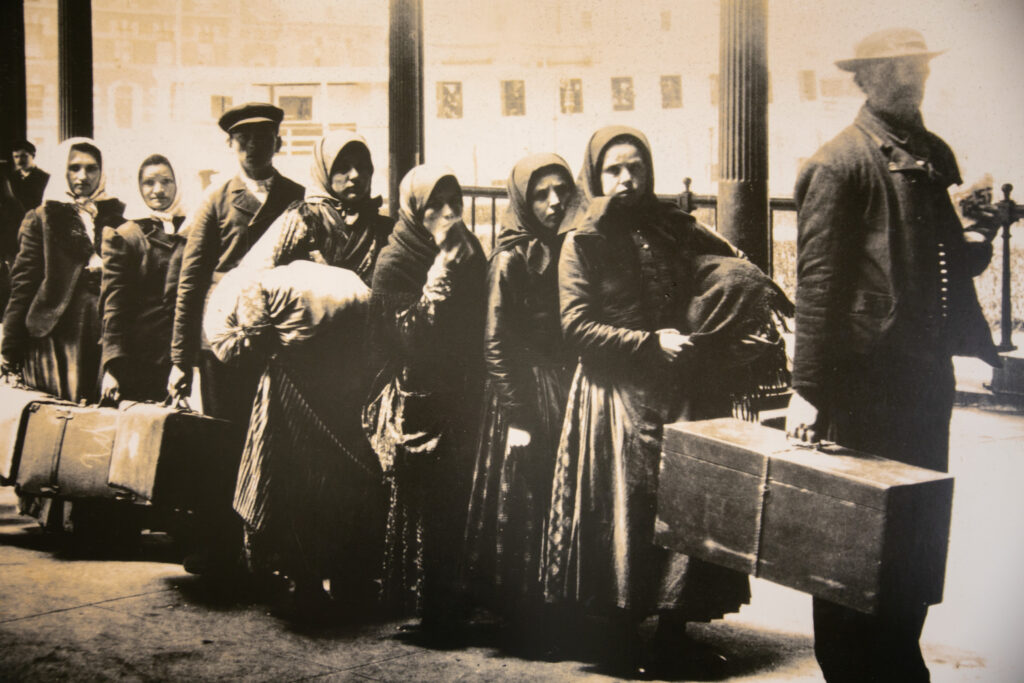
New York was the main gateway for immigrants (often passengers of 3e class, the more affluent passengers benefiting from a visit directly on the vessel) from the end of 19e until its closure in 1954. Immigrants came mainly from Europe to join the family, escape famine (Ireland), poverty, persecution or simply try their luck in this new world. To be able to return to the United States, they had to pass through the lines of medical and legal checks, which happened on Ellis Island, where they arrived by ferry from New York port. The vast majority managed to return to American territory.
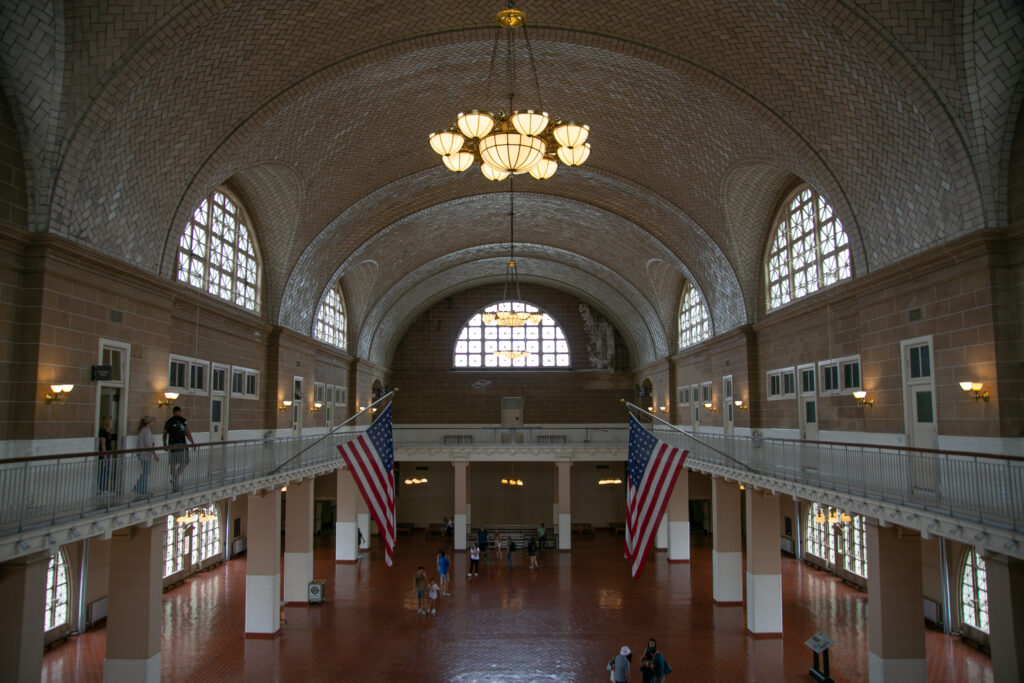
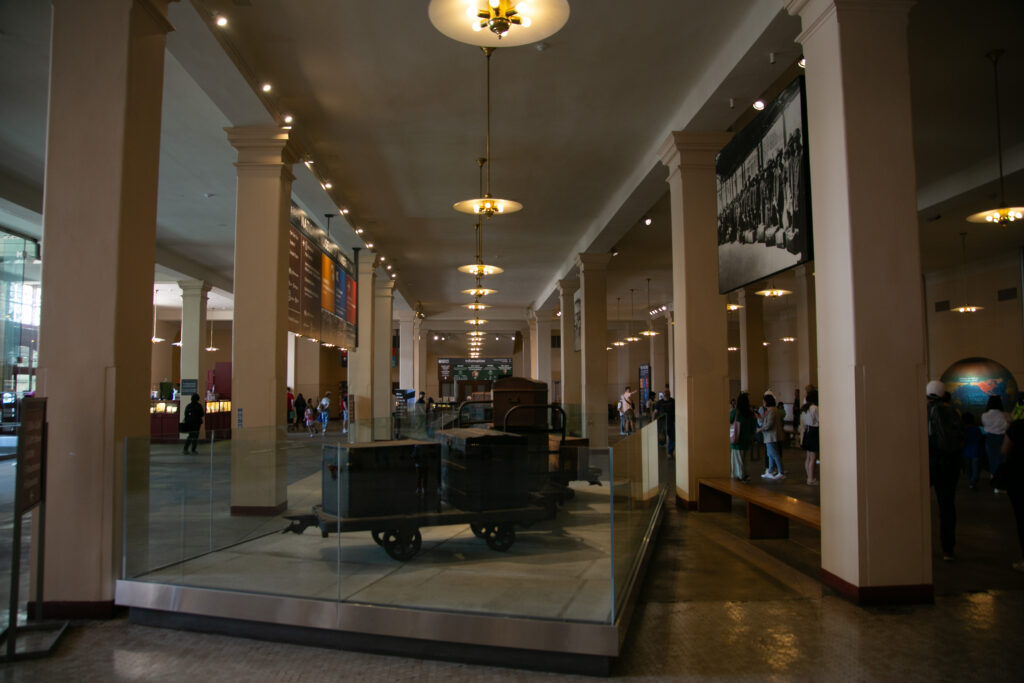
The buildings have been abandoned for several decades. They were beautifully restored in the image of the period that saw the most immigrants succeed. The Great Hall, where everyone was waiting for their tour for inspection, is very impressive, with a height of several meters and a courtyard along the upper floor.
The visit is organized around the course of people who arrived on the island, starting with the health visit that began as soon as the stairs climbed. In fact, doctors waited upstairs and made a very quick first examination by observing immigrants and identifying the most obvious signs of illness. One must imagine the state of fatigue and disorientation after several weeks of navigation in difficult conditions, it had to be difficult to make a good figure. Contrary to what was believed the patients were treated as much as possible, several hospital buildings were located at the back.
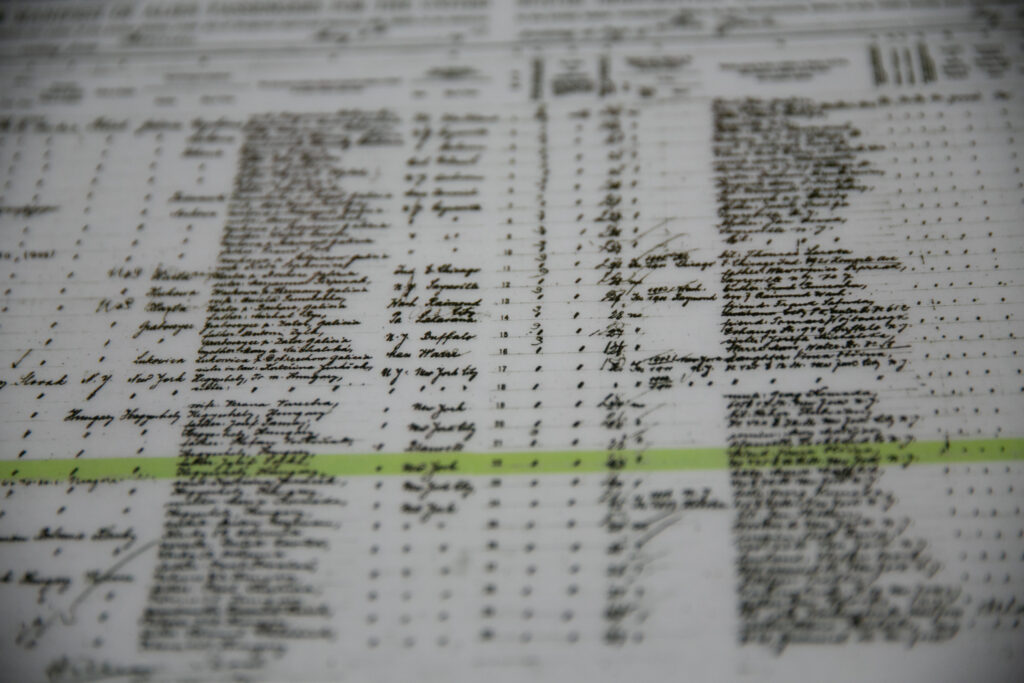
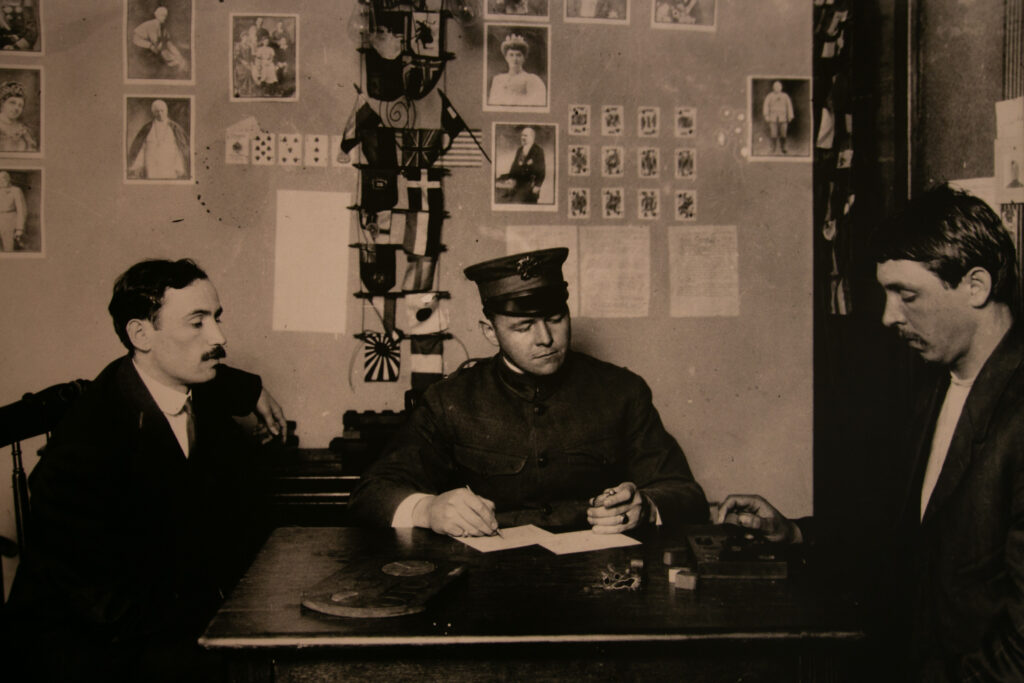
Then came the paper check. This was yet another alarming step, often with the language barrier despite the presence of interpreters. Records that contained information about each person can be read.
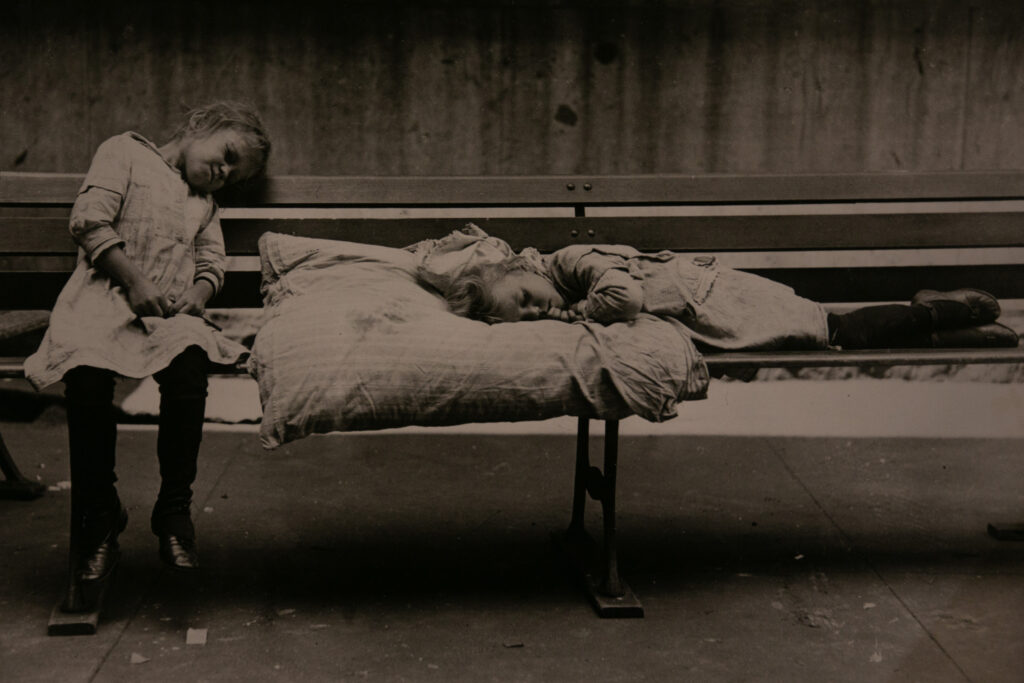
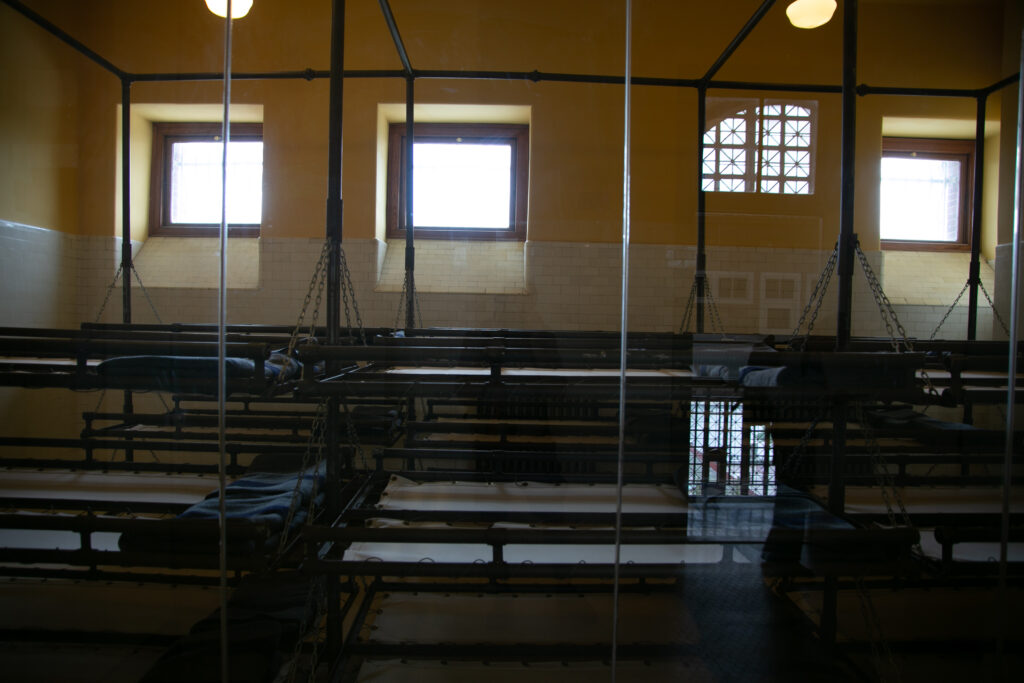
We discover the spartan dormitories, the refectories. Control could take a few hours, but some people stayed on the island for several days, even weeks or months to treat a disease, settle papers, receive money. We learn that women alone or with children, at least without husband (!), had to wait for someone to come and pick them up. There have even been marriages on the island for this reason.
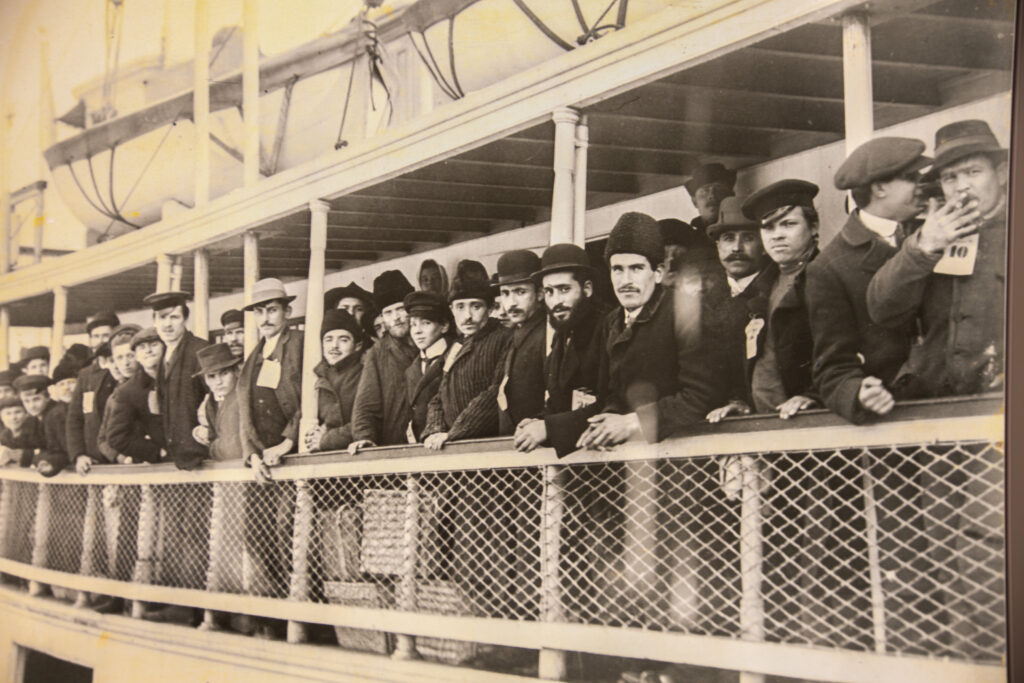
One can easily imagine the anguish of immigrants who had sometimes sold everything to buy a ticket and had left everything to start a new life that had to be frankly scary.
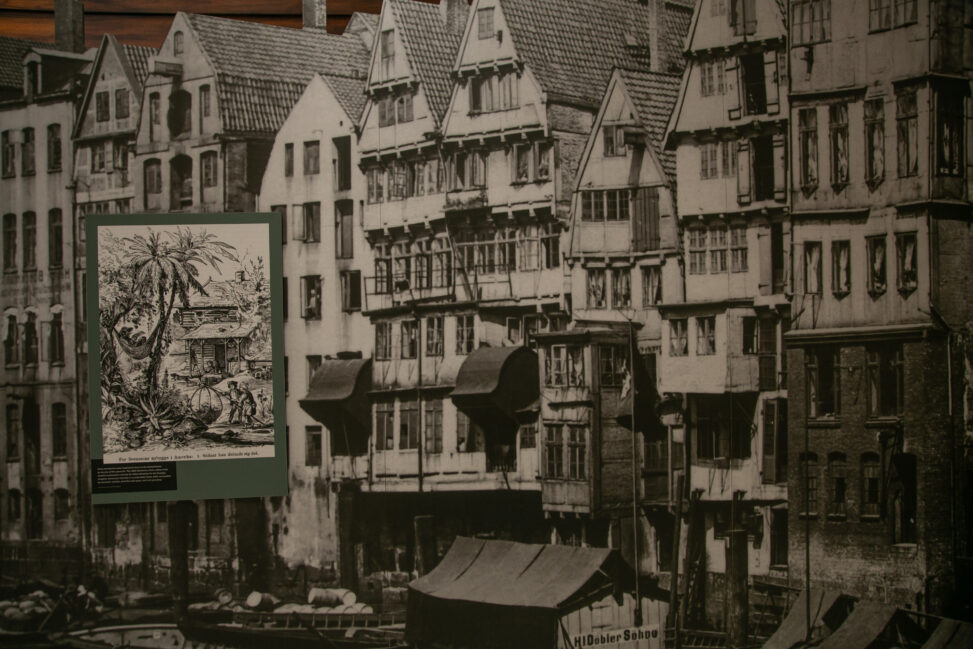
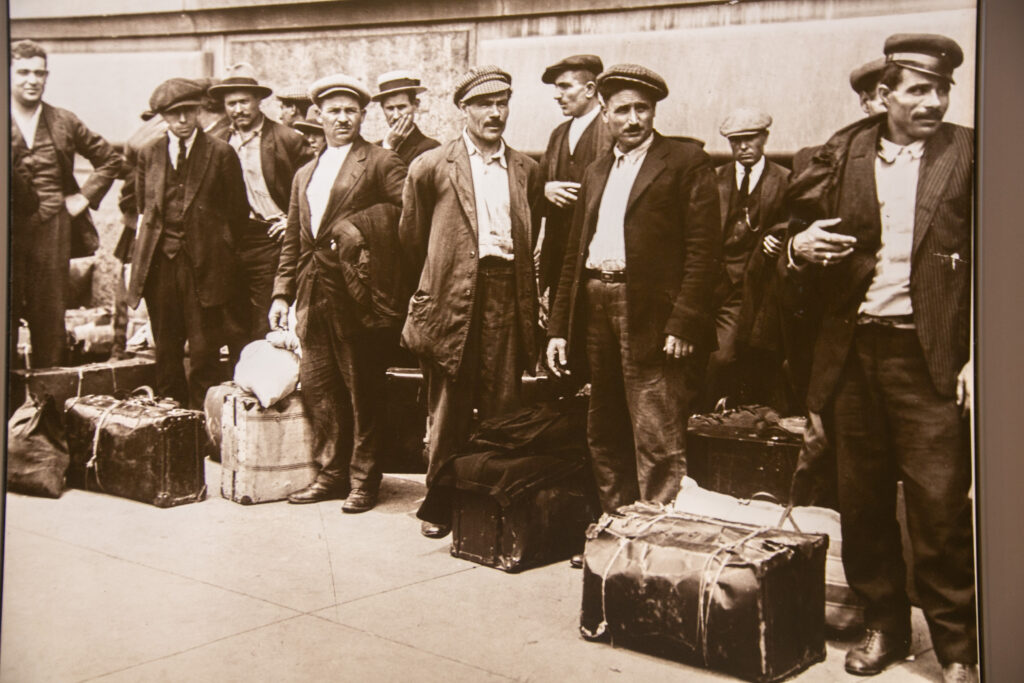
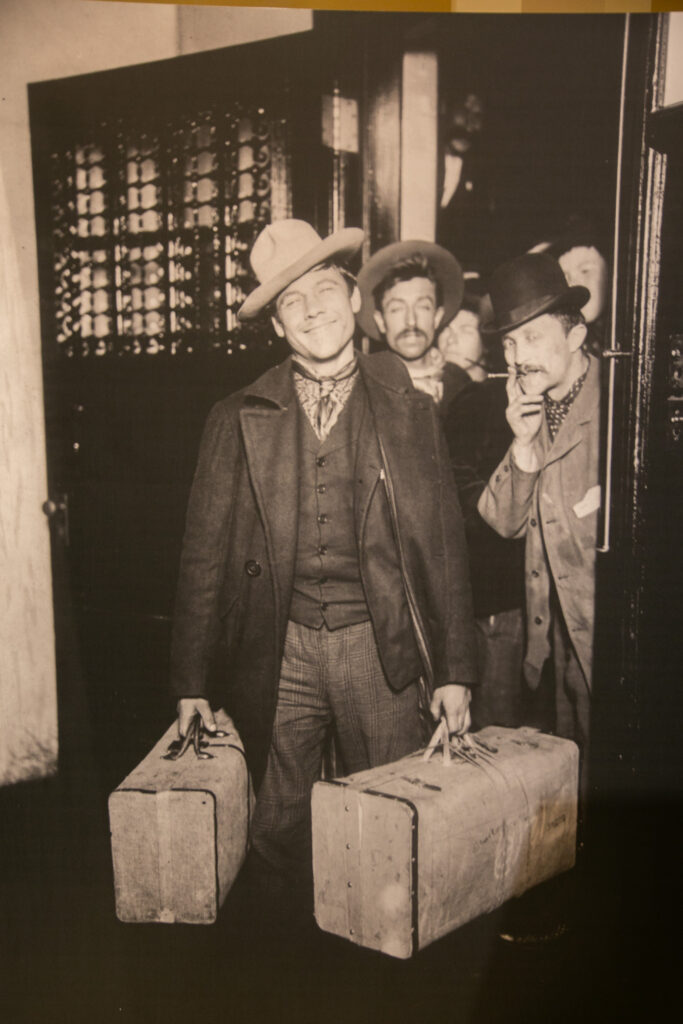
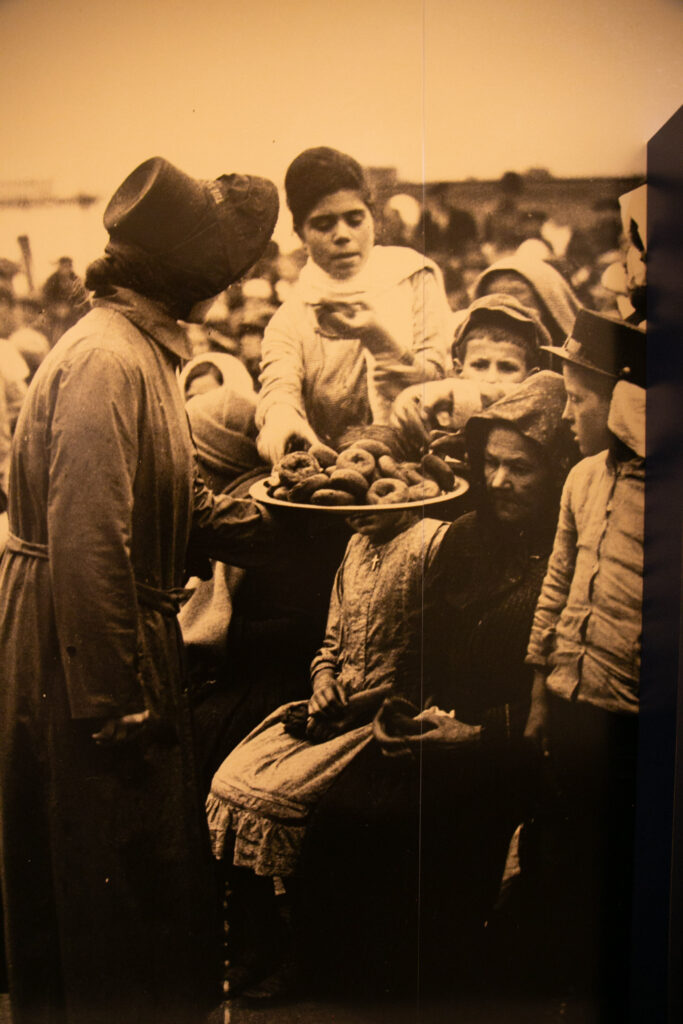
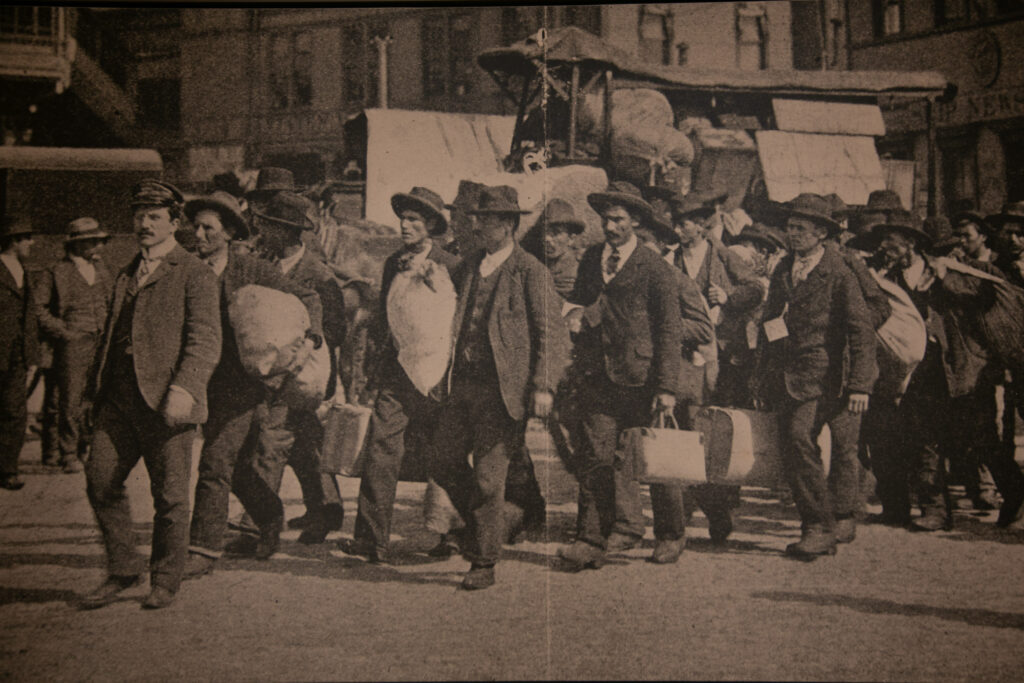
The photos are moving, we see the tense faces, often tired, the possessions of a life that hold in a few bags.
Visiting Ellis Island does not leave indifferent. The photos sometimes date back to more than a century but still resonate today.
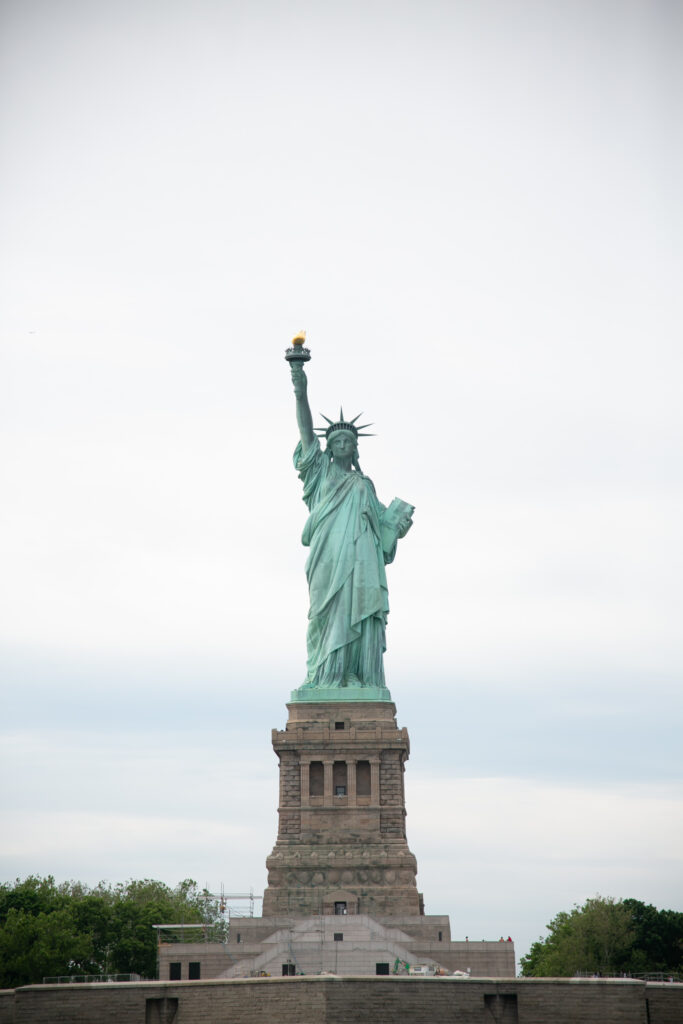
On leaving we took the boat back to Manhattan, with a mandatory stop on the island of the Statue of Liberty. We who did not want to visit her so closely, we are at the foot of the great lady, who does her little effect despite everything!