That name was unknown to us before we stayed in Holliston. He eventually became familiar as we visited parks that Frederick Law Olmsted co-created with his partner Calvert Vaux.
Let's go back to the beginning of history. Manue, our host, explained to us the history of their « property ».
She explained that it was a nursery, owned by Jackson Thorton Dawson. This person was contacted by Olmsted to accompany him in plant propagation for Arnold Arboretum and other Boston parks. So it was first through the garden of Fiske street that we started to focus on Olmsted.
When we read his story, we realized that he was, with his partner Calvert Vaux, and then his heirs, at the origin of most of the great North American parks. We thought we were going a little further away from our subject of the journey, but finally, by getting immersed in its history we realized that the concerns of the late nineteenth century were very close to those we know today, and that their questions were, for part, similar to our research of adaptation of the plant.
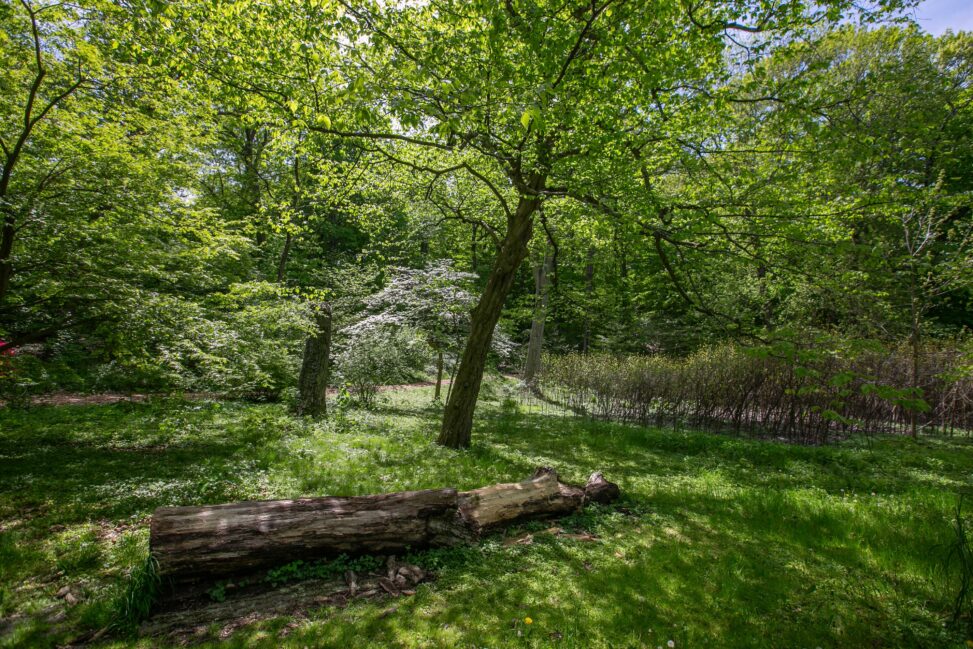
The first park we visited was the Arnold Arboretum in Boston. His creation began with a legacy of James Arnold (old « whale merchant ») at Harvard University. The assignment contract stipulated that the income derived from his inheritance should be used to create an arboretum. Another part of the contract specified that the university team should take care of the plant collections and leave the place open to the public. In return, the city took over the maintenance of the walls, access and gates, and the security of the park.
The design of the arboretum was possible thanks to the rapprochement between the then director, Charles S. Sargent, and Olmsted.
Arnold Arboretum Harvard in Boston

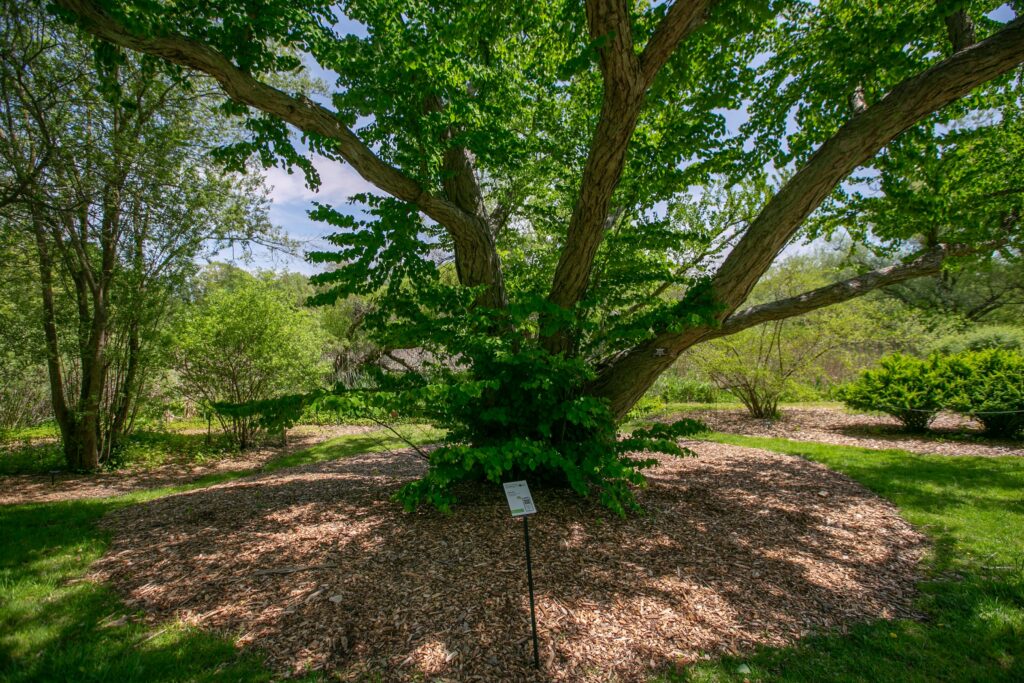
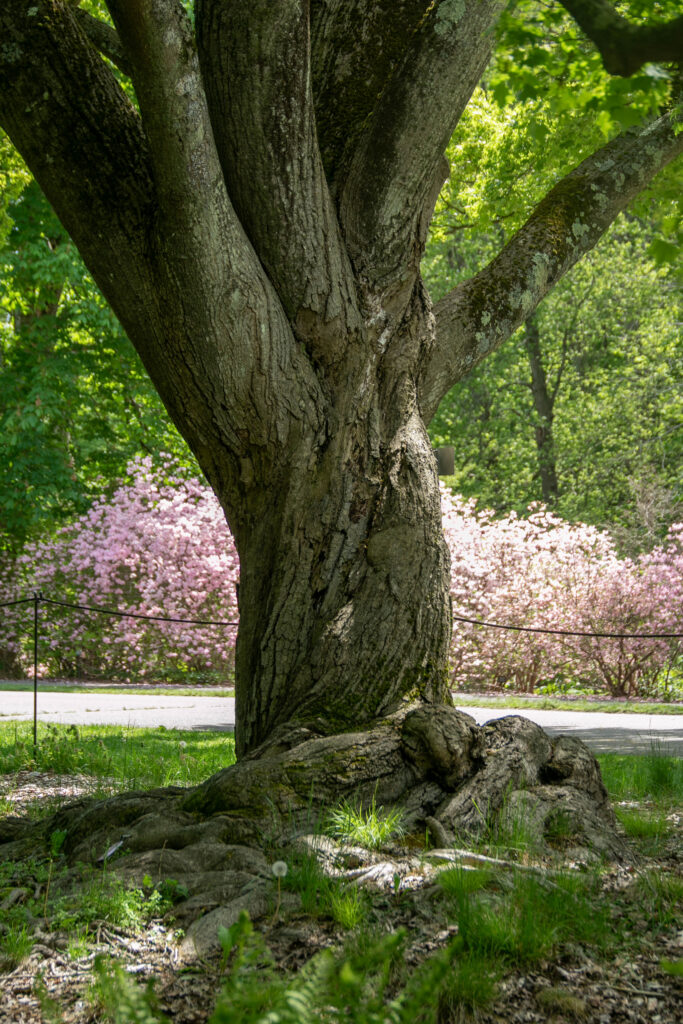
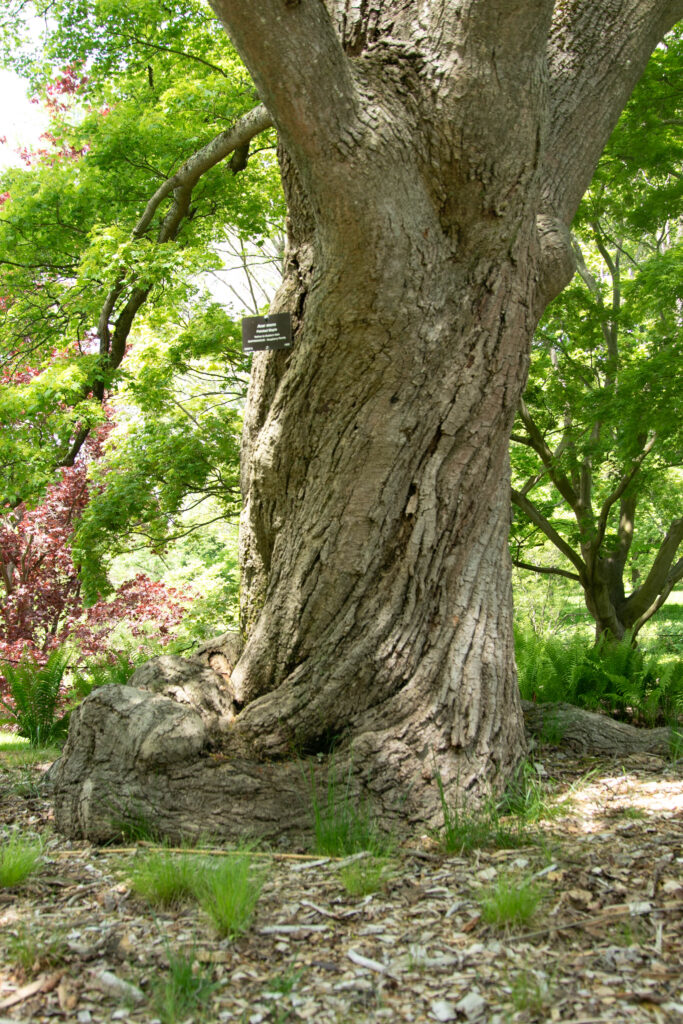
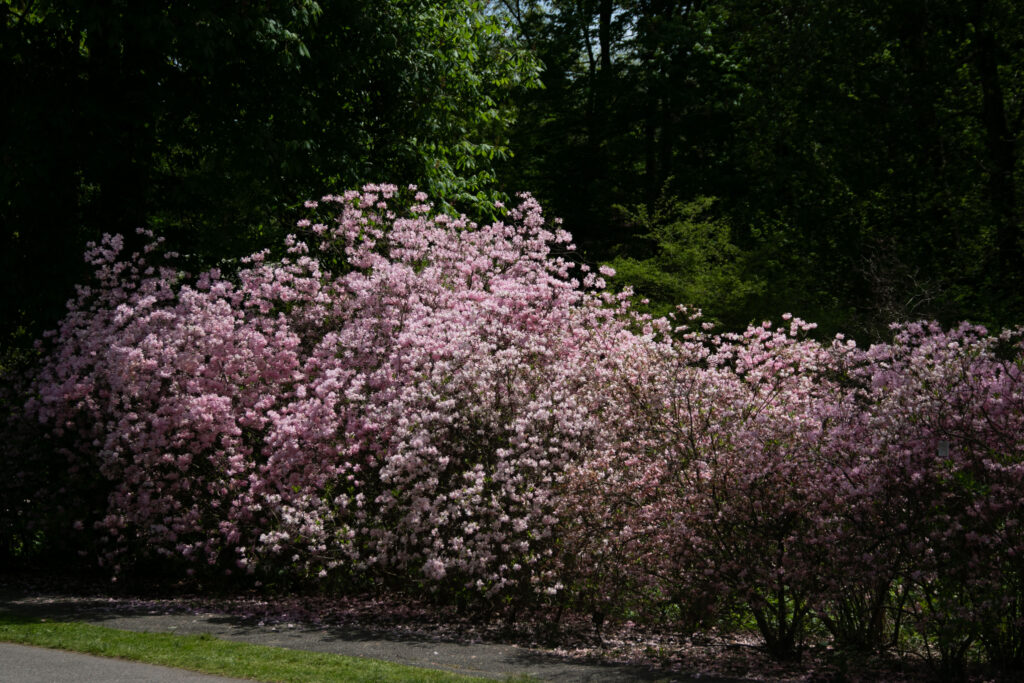
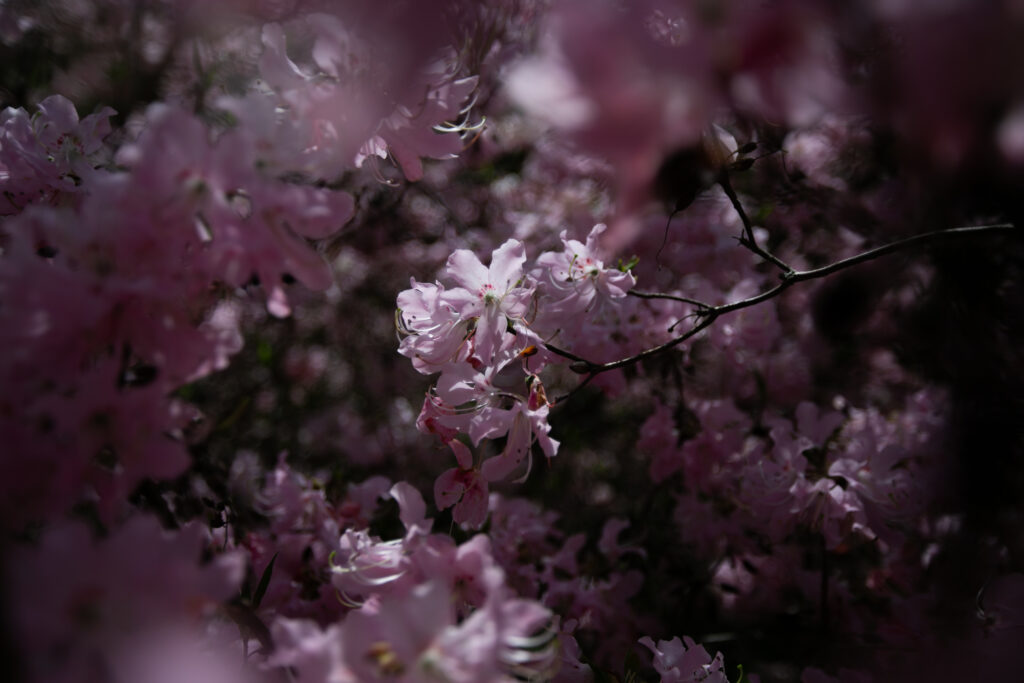
Emerald Necklace
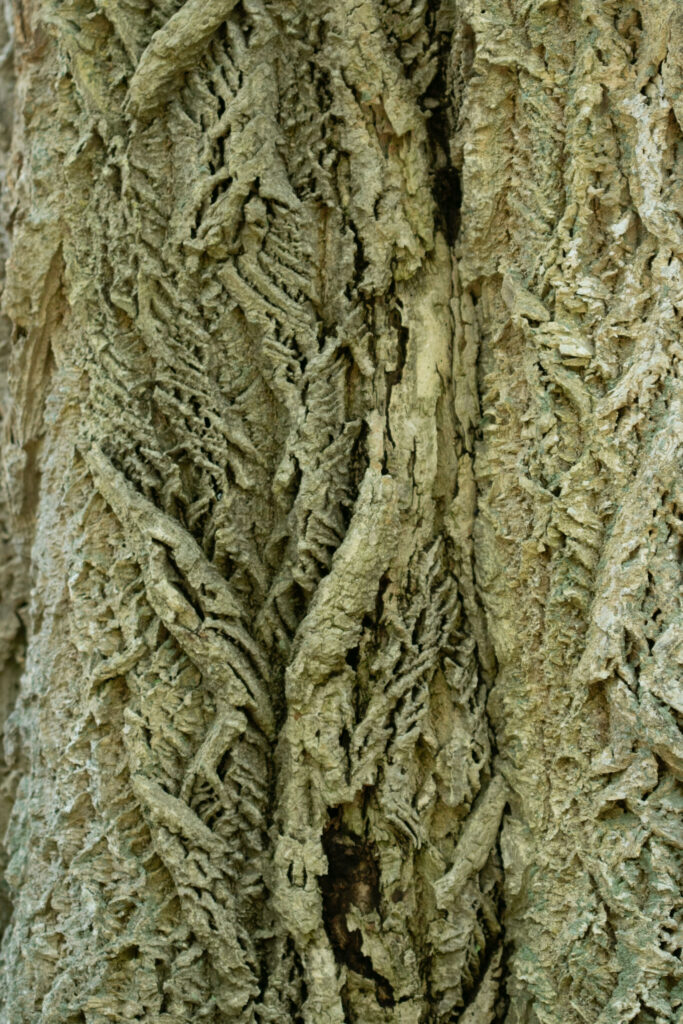
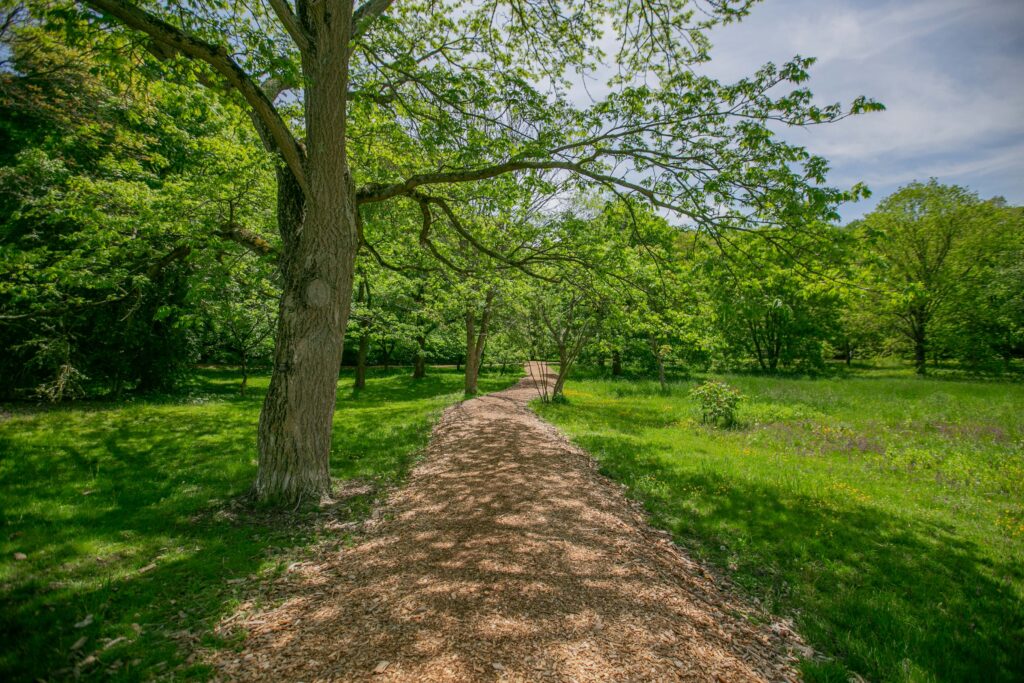
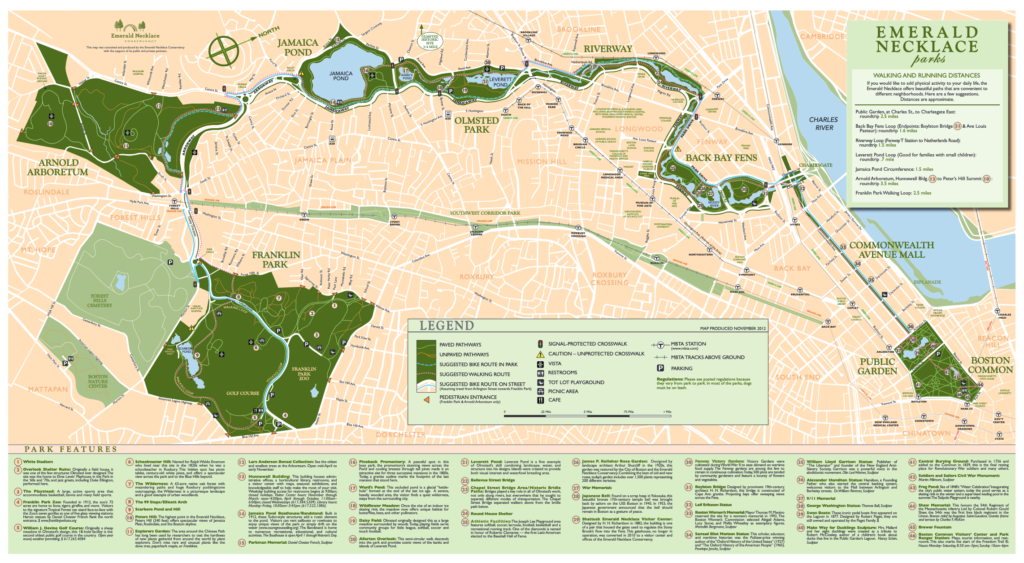
Under this name is a set of parks in Boston that, at the time of their creation, were all connected by plant corridors. Unfortunately, this is no longer the case today. There are still tree alignments, but paved streets have replaced trails.
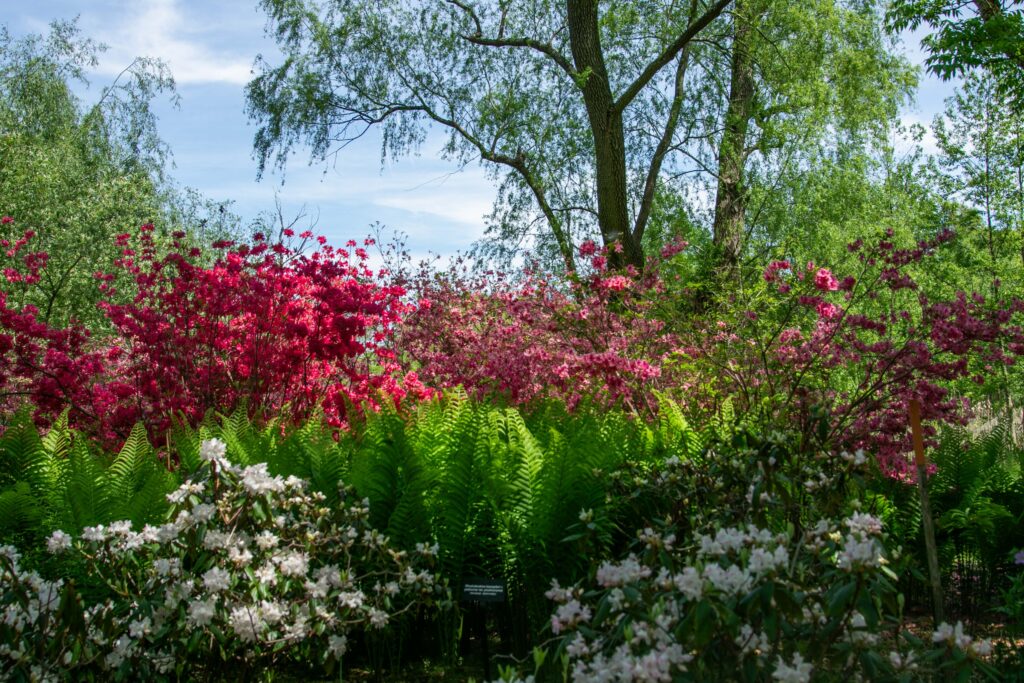
The Emerald Necklace began in 1878 under the direction of Olmsted. The purpose of this work was to clean and sanitize the marsh areas within the city. The result is a vast network of parks with an area of 450 ha in the heart of Boston. Through all these parks, we realized how valuable they were to the quality of life of the people. All activities are possible and mix. This crowding makes these parks very alive. From the zoo and golf in the heart of Franklin Park, to the Arnold Arboretum and its educational trails, the Boston Common and its baseball fields and Riverway's sculpture exhibition, everyone can count on it. Of course in each park its lot of cyclists, joggers, musicians, qi gong classes and dog walkers. We have even discovered spaces specifically reserved for dog activities, with agility routes. If you don't have a dog, go your way.
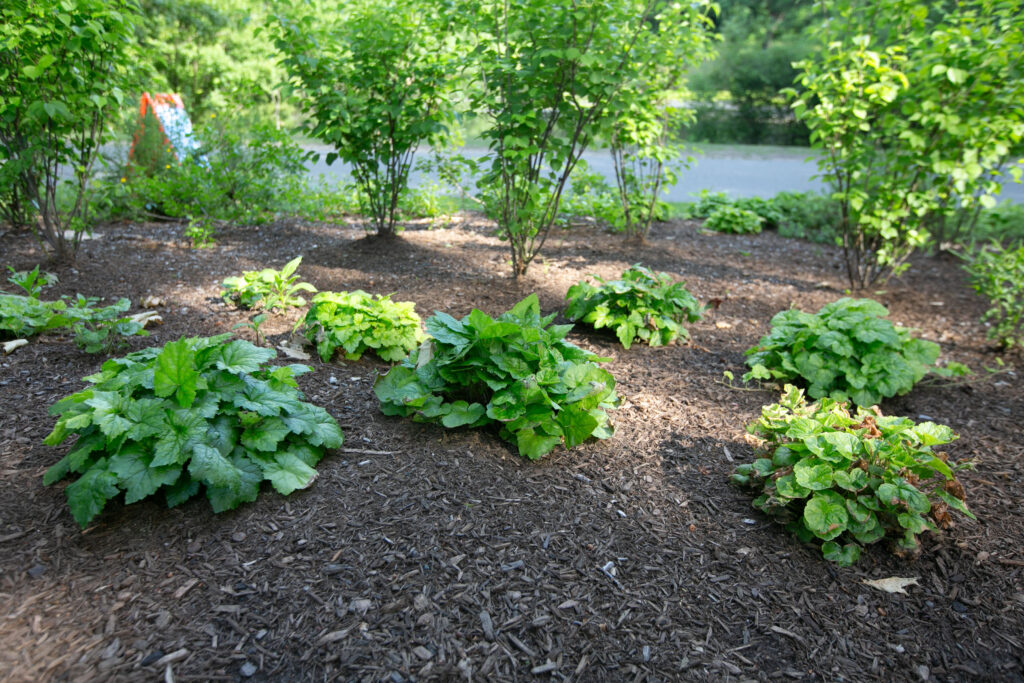
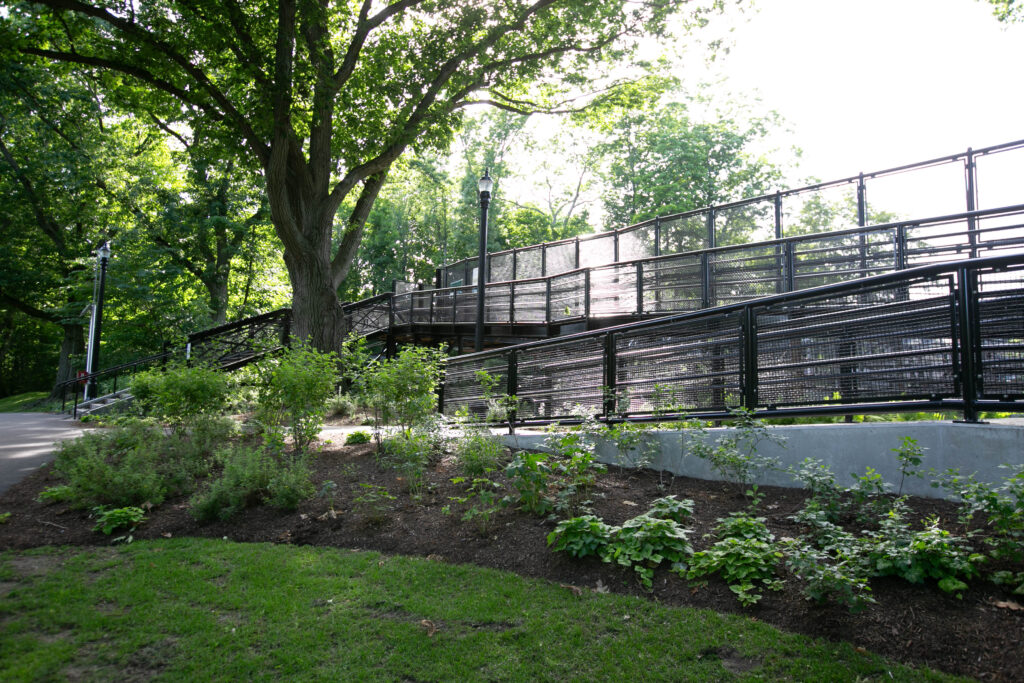
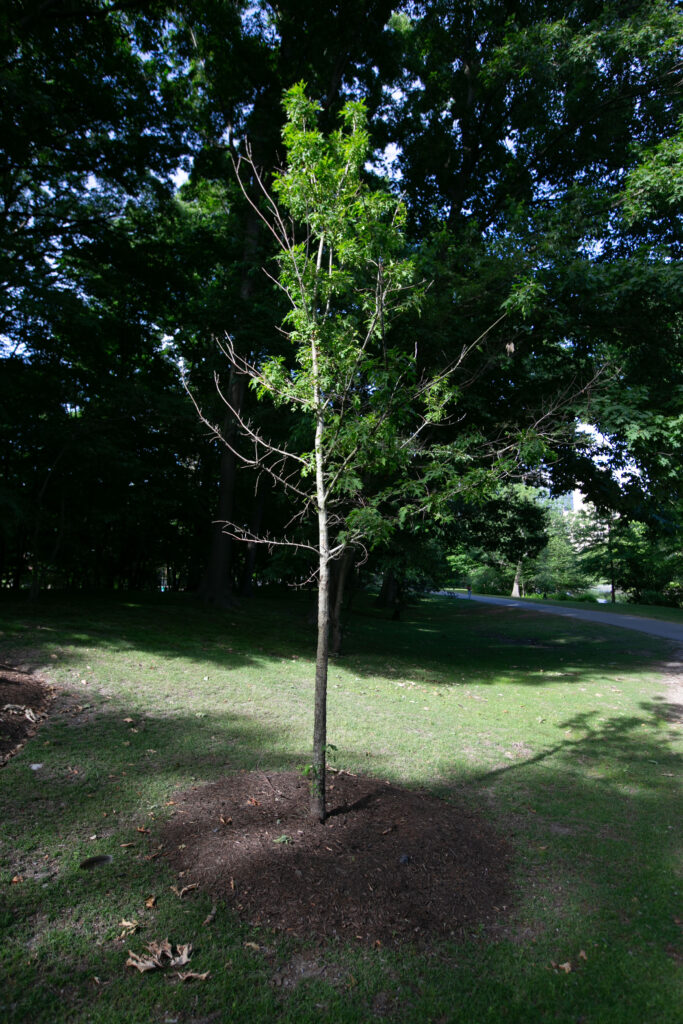
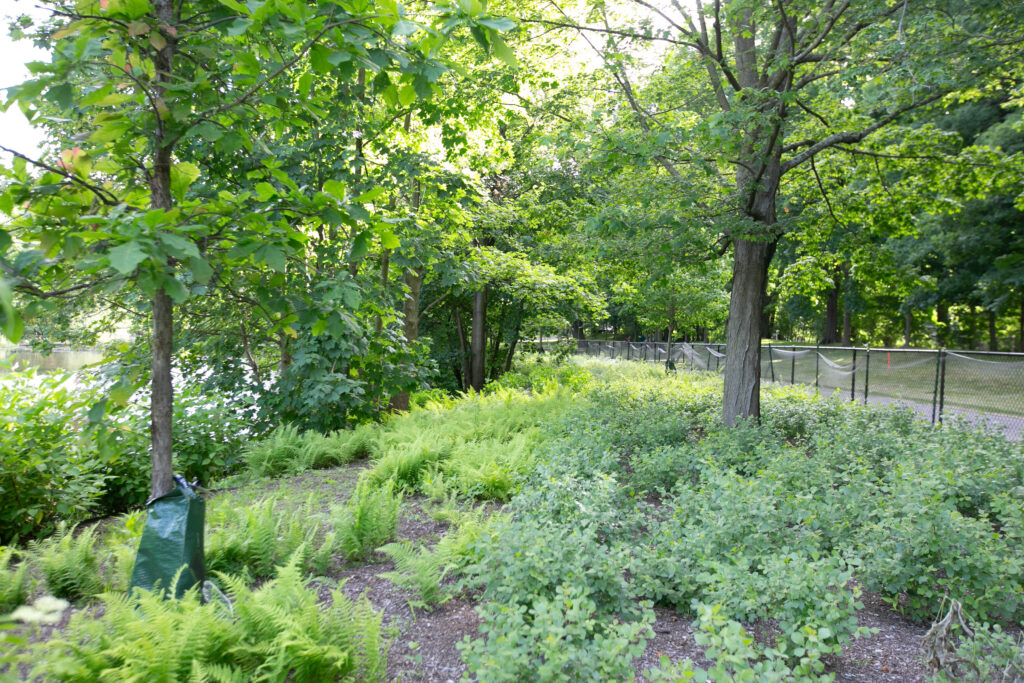
With regard to our subject of the journey on the adaptation of plants, we were able to discover, after our visit, that the Arnold Arboretum did a whole selection work to allow the reproduction of the Carya (Pacanier and his cousins). These trees, native to parts of the eastern United States, have good resistance to cold, excess water and drought. Perfect candidate. We came into contact with the arboretum to try to meet someone to talk to on the subject, but our message remained unanswered. We noted the important work of preserving soils at the foot of trees. We were also able to observe a work of renaturalization through massifs, in Riverway Park, from local plants.
Franklin Park in Boston
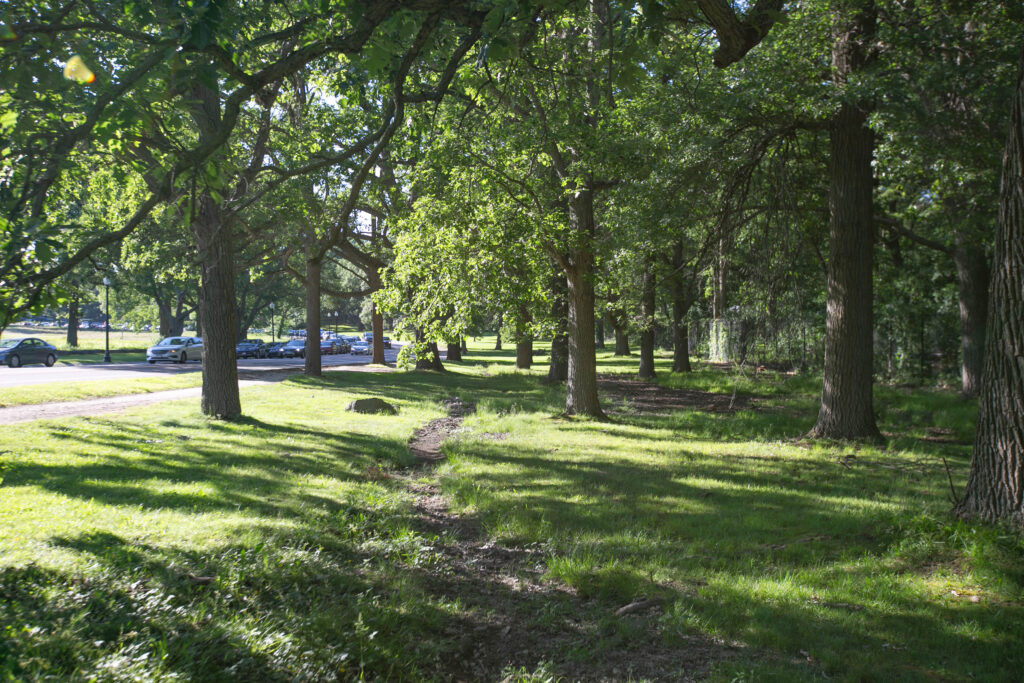
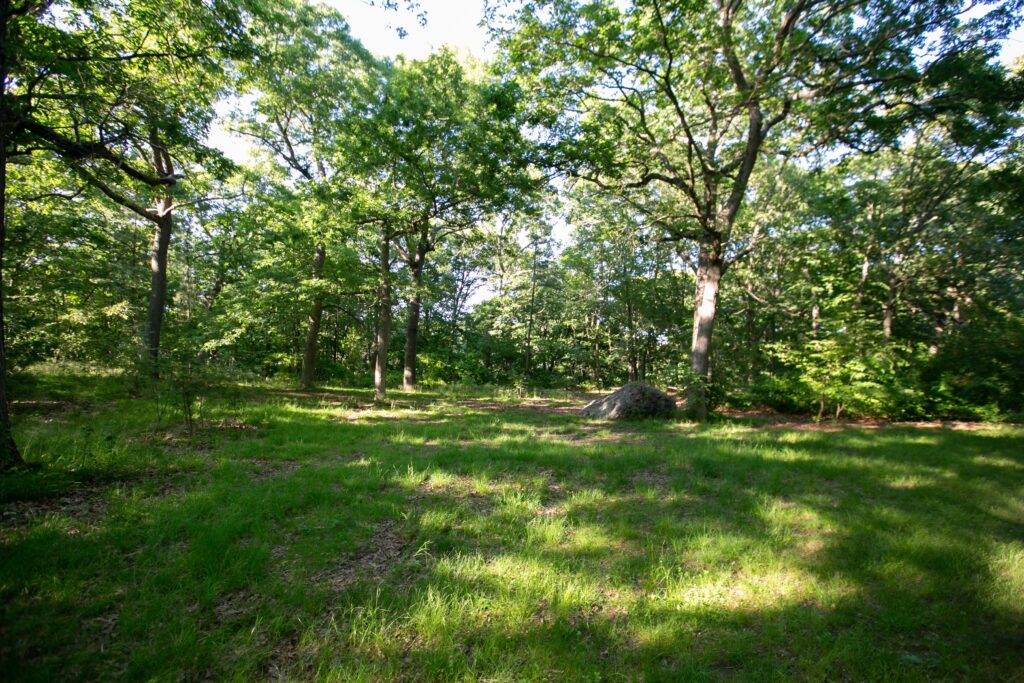
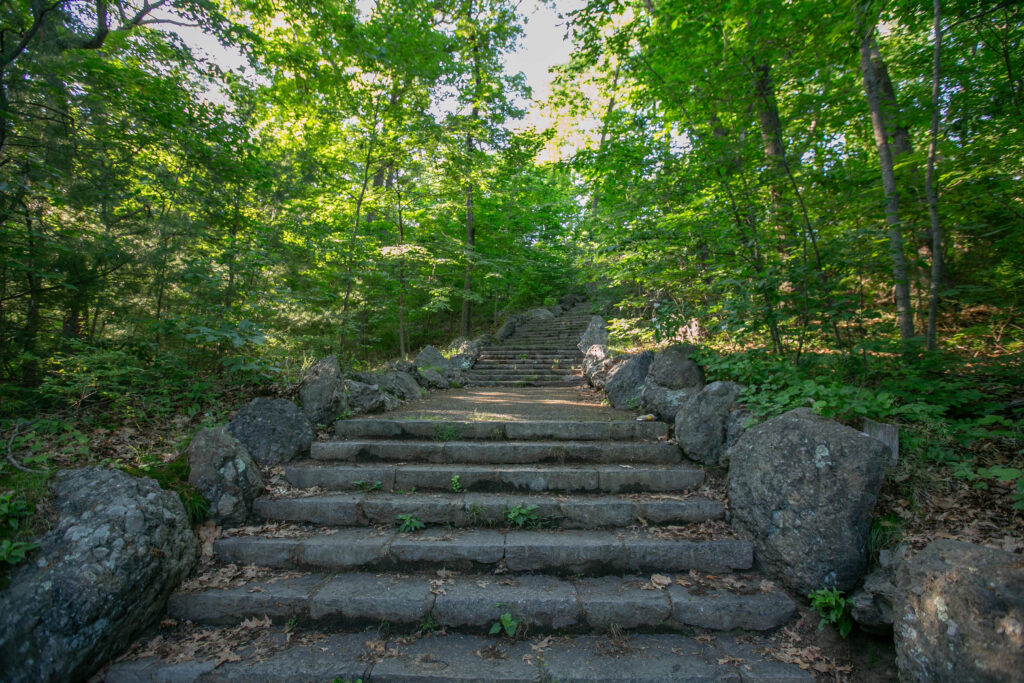
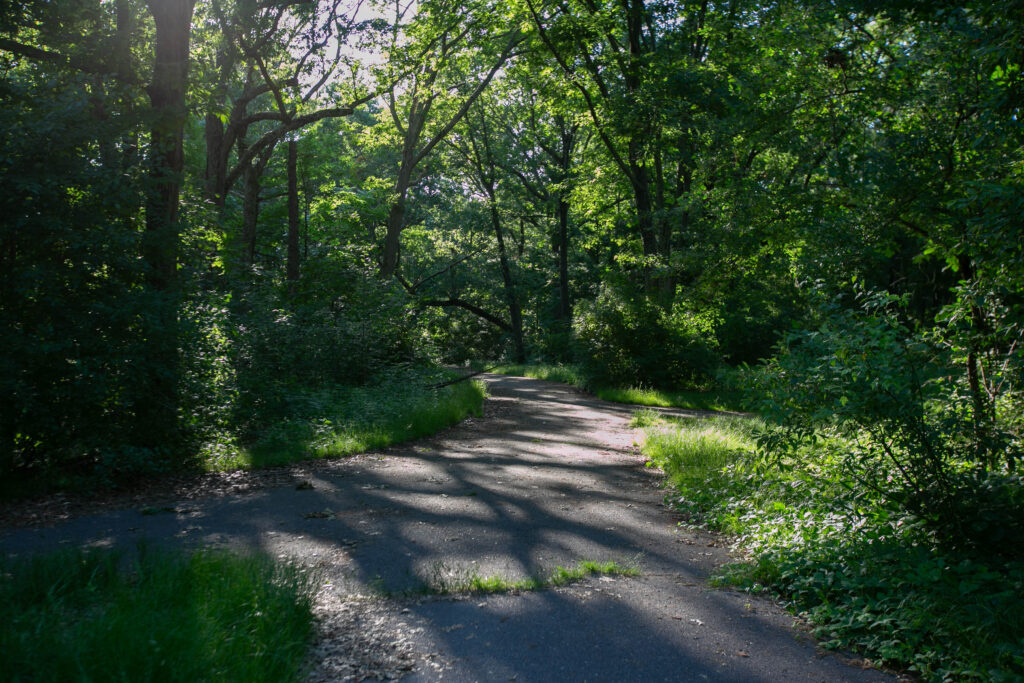
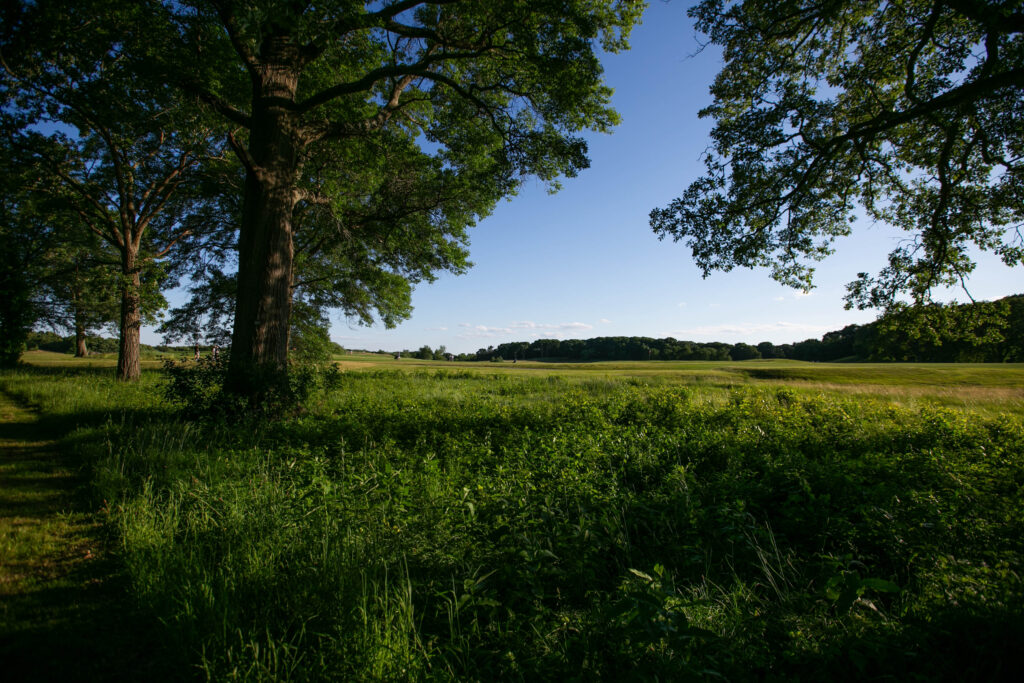
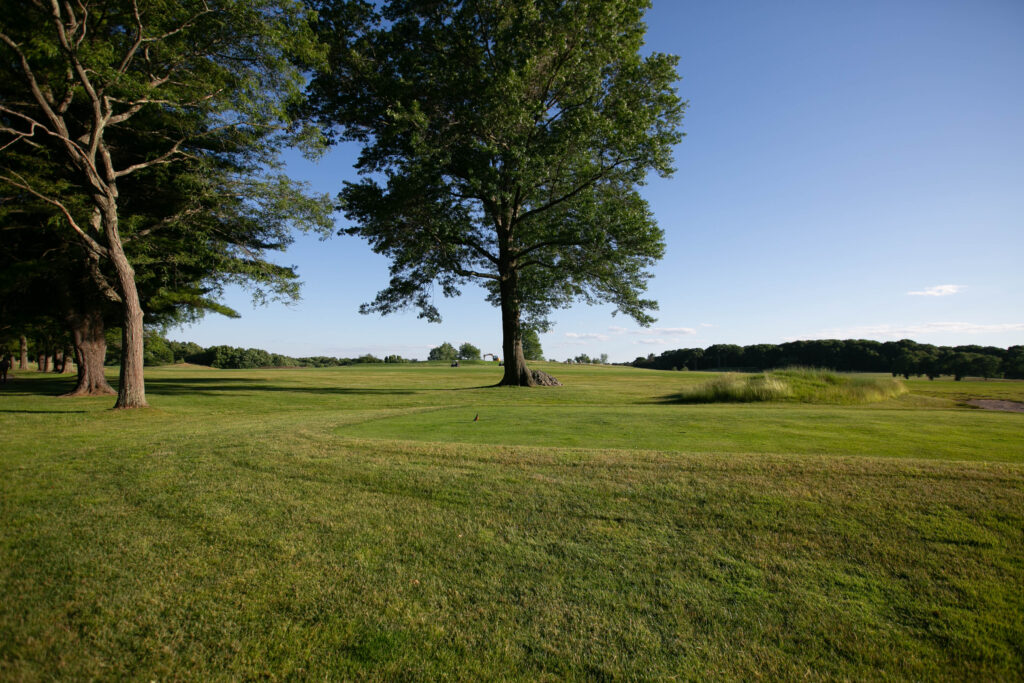
Riverway Park in Boston
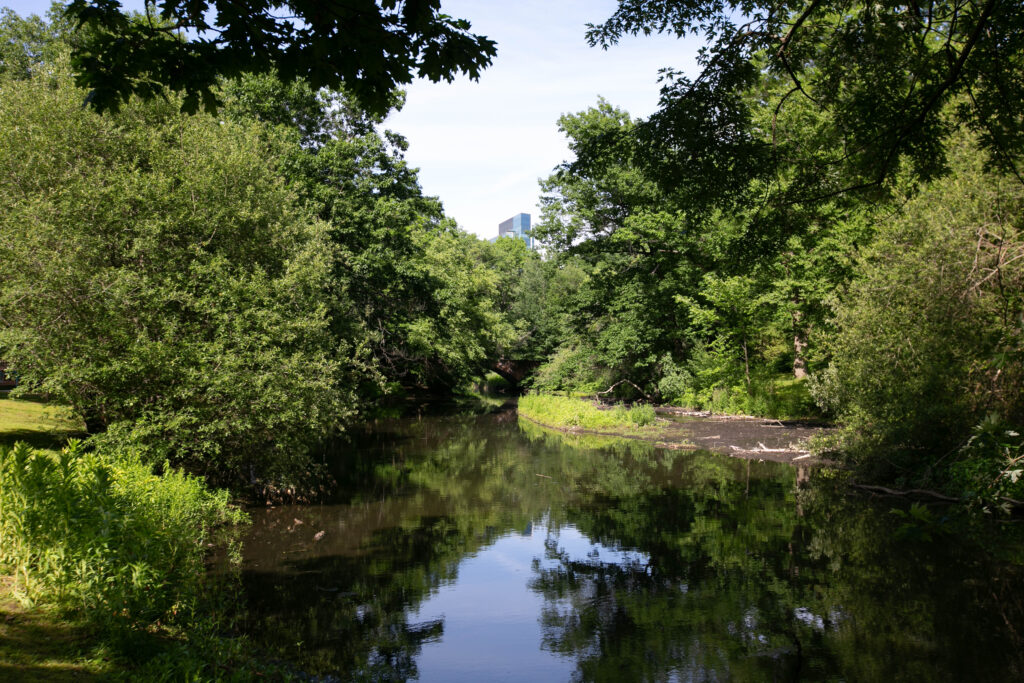
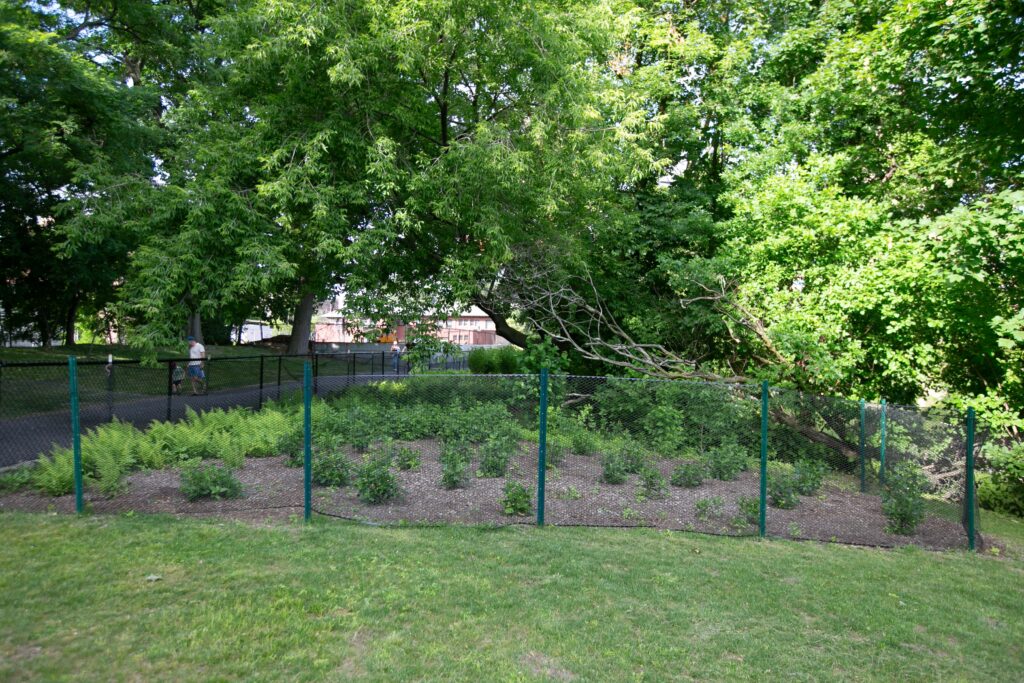
In preparing our visits to these parks, we also noticed that many of them are associated with associative structures (« friends of the park »). These associations allow volunteers to participate in the maintenance of plantations, for example, and to invest in the life of the park and make donations.
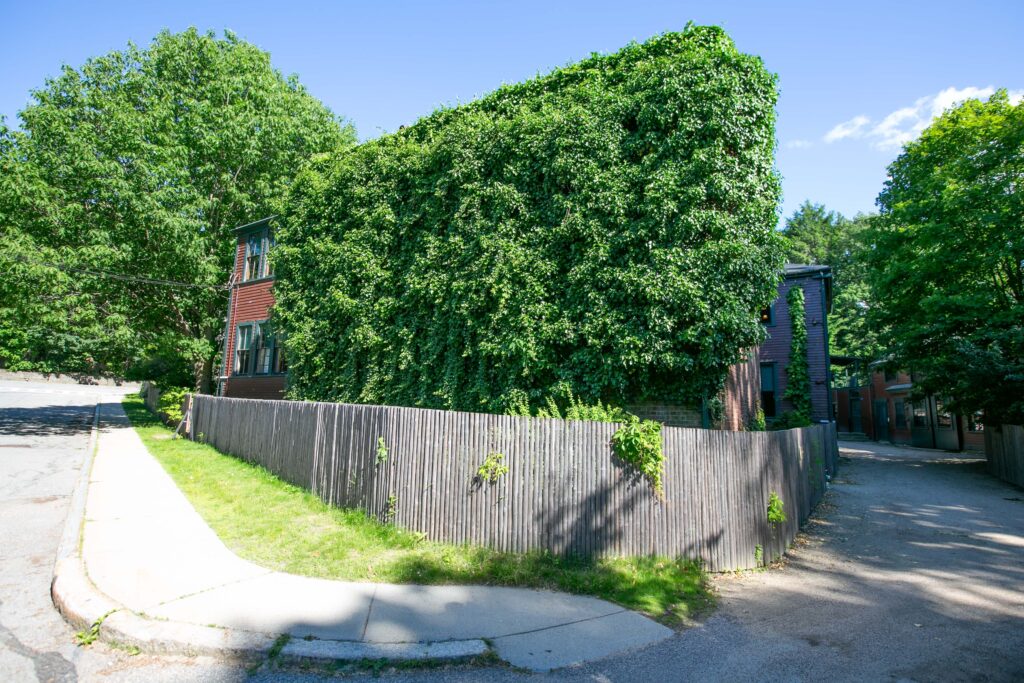
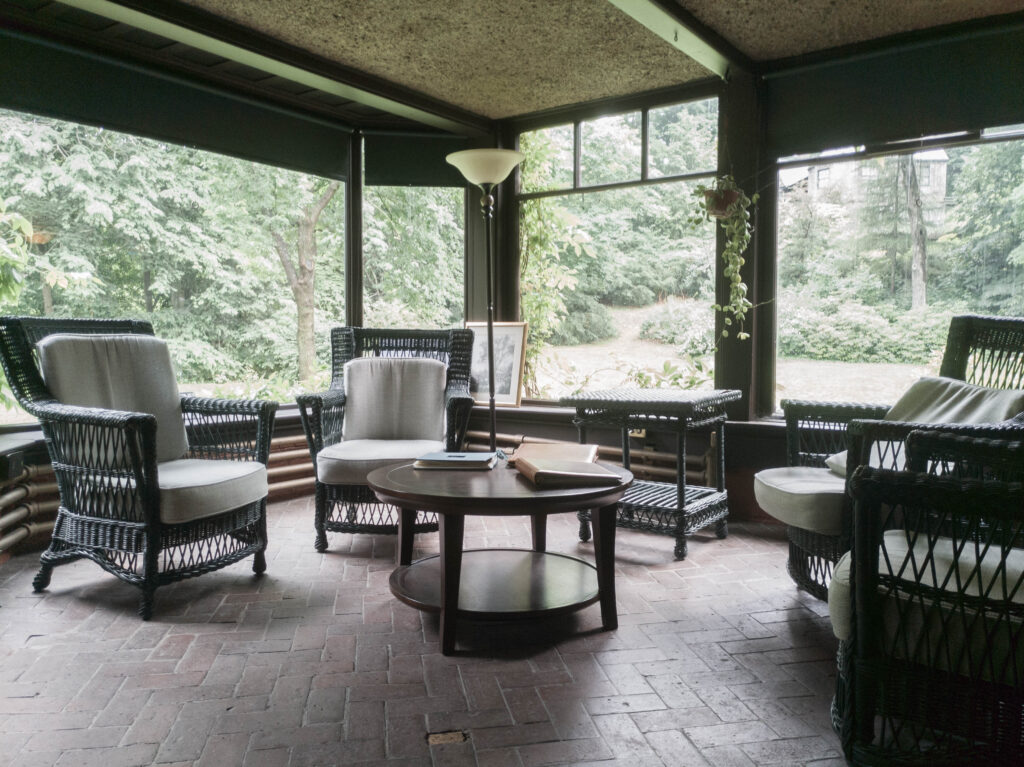
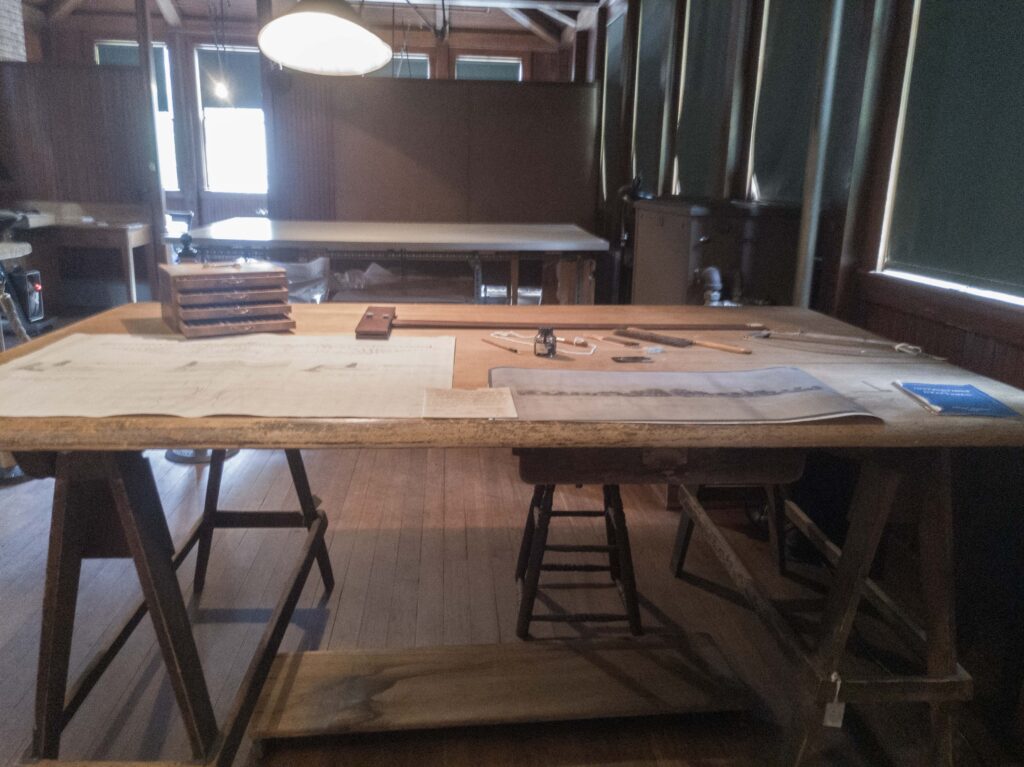
Olmsted, after many trips across America and the world, finally landed in Brookline, south of Boston. This is where he built his house and set up his landscape architect agency. The site is now part of the national parks. The site is free of charge every Friday and Saturday afternoon. We went there twice. The first to see the garden and the second to visit the house and agency. We discovered and observed how the first landscape architects worked, designed and created giant plans for the creation of parks. The museum has a safe containing all the archives, which represents about 1 million plans.
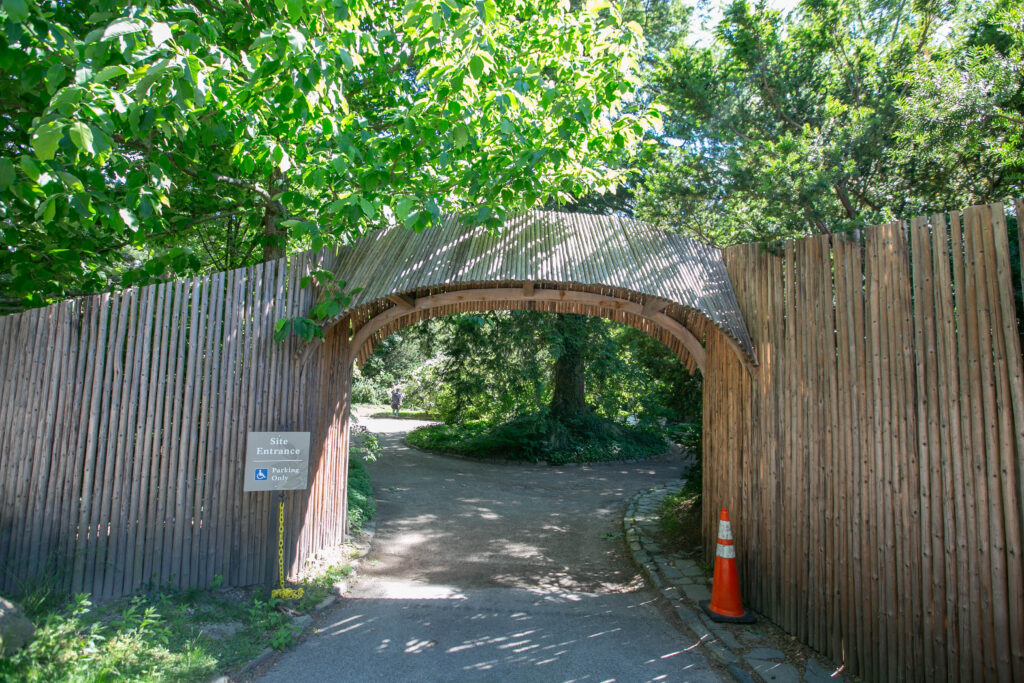
Our stay on the East Coast for a month and a half has been very rich. We took good advantage of the region and left it for a new trip and new landscapes. A few small regrets on missed appointments with two people. The spring season is not the easiest for people to break free.
We had to leave our charming cottage and the lovely Fiske street garden in Massachusetts and we are now on the west coast in Portland. We can always track Olmsted's heirs with the great Forest Park. We'll tell that in our next articles.

