The High Line
In the continuity of the iconic parks we wanted to visit, we went on the High Line.
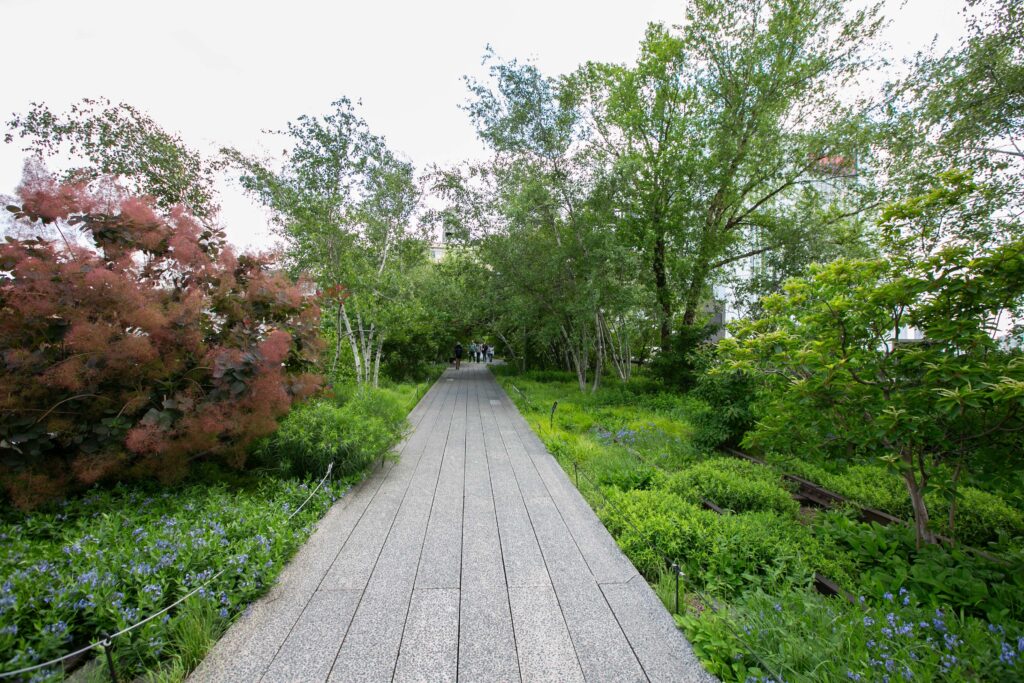
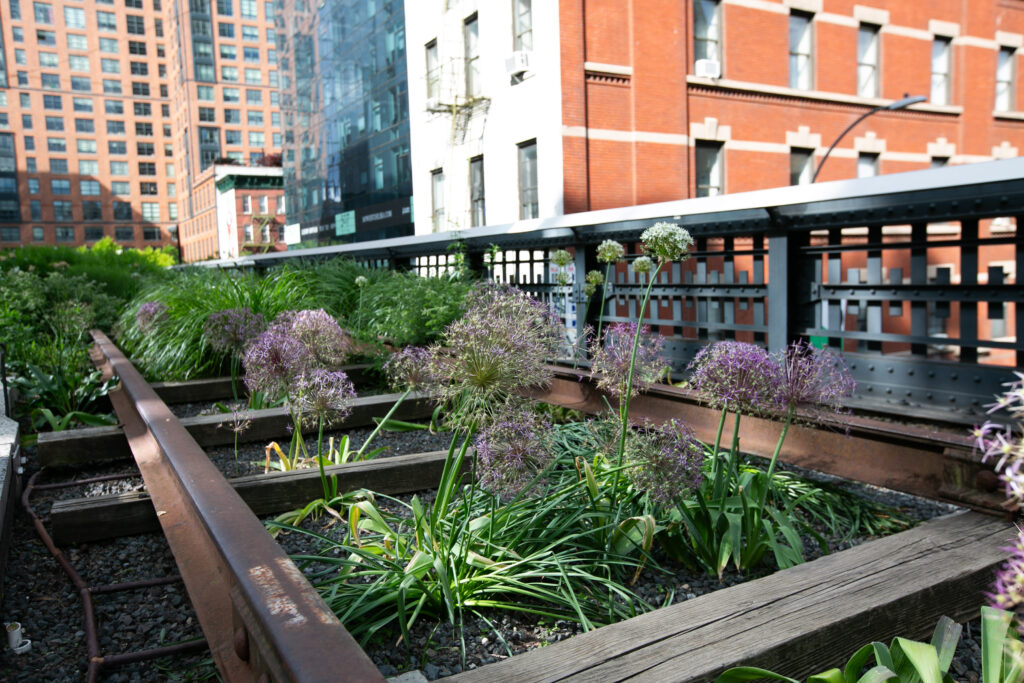
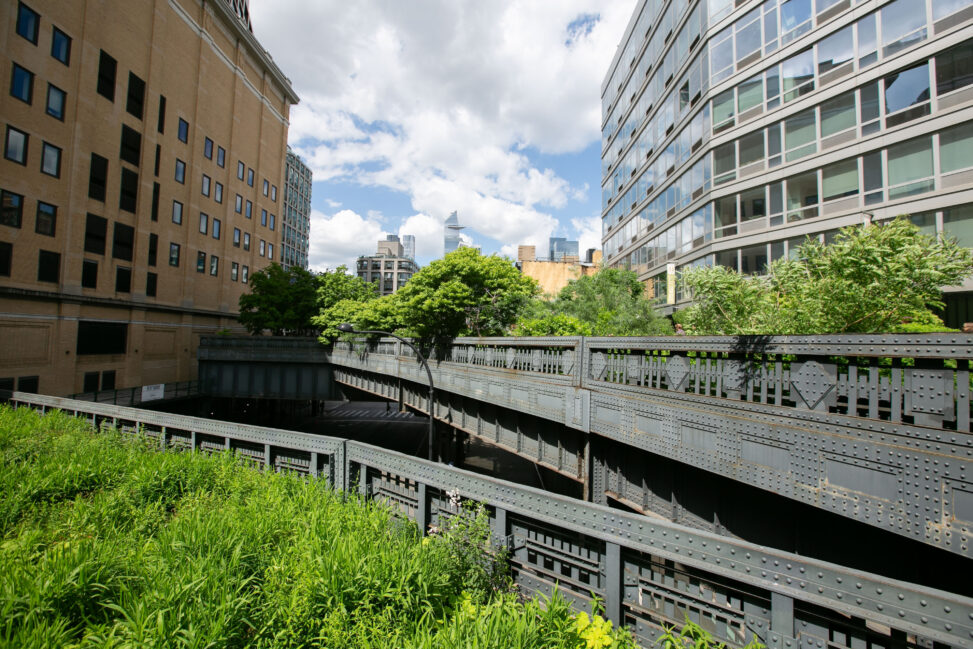
This old railway route allowed the transport of goods from the wharfs to factories and warehouses in the slaughterhouse district from 1929 to 1980. Threatened by demolition and rescued by an association of residents, the High Line (re)born in the early 2000s. Like the Paris green road created in 1993, this collective proposed to restore the High Line in this spirit. The project was implemented and voted under the mandate of Mickael Bloomberg and the work was entrusted to James Corner, architect at the Diller Scofidio+Renfro (interdisciplinary laboratory of designers) and Piert Oudolf (garden designer). We put the link to the site at the bottom if you want to see the history of this old railway and photos before.
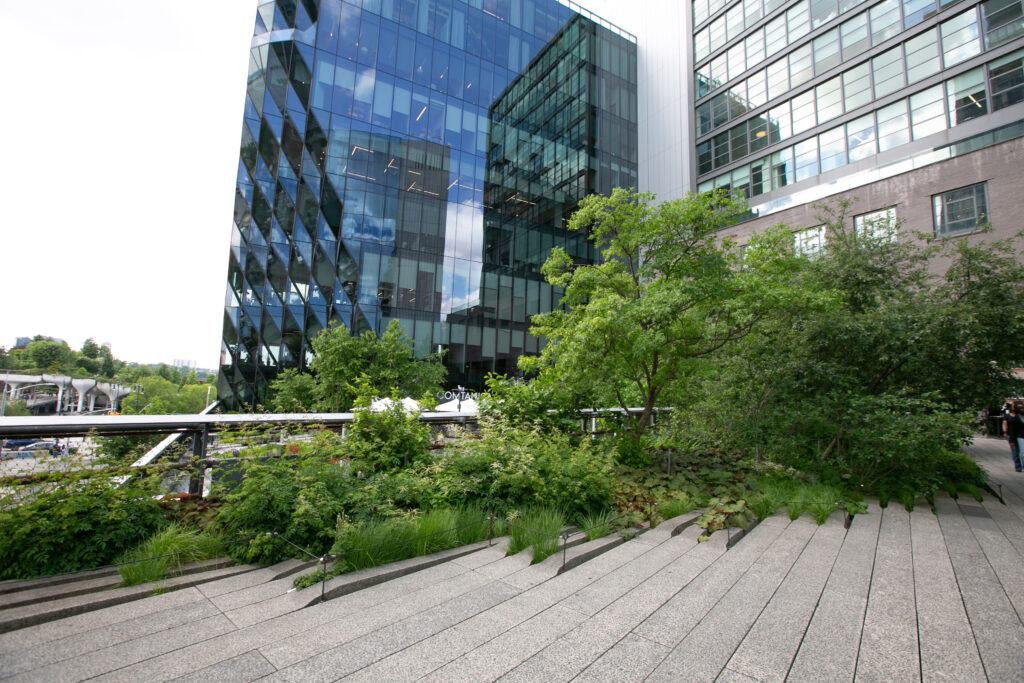
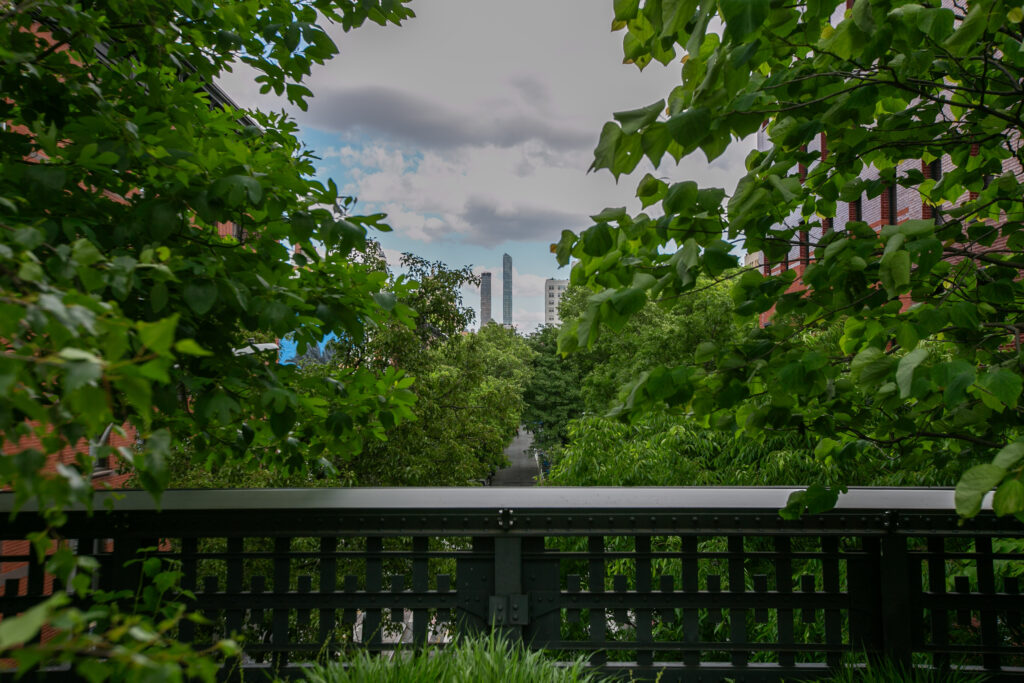
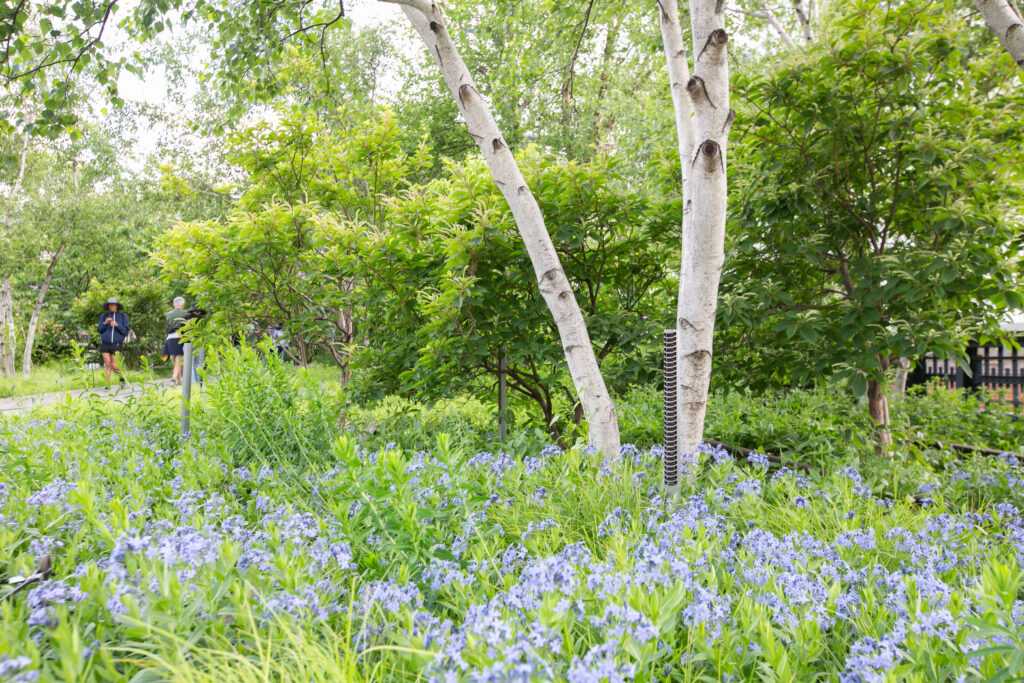
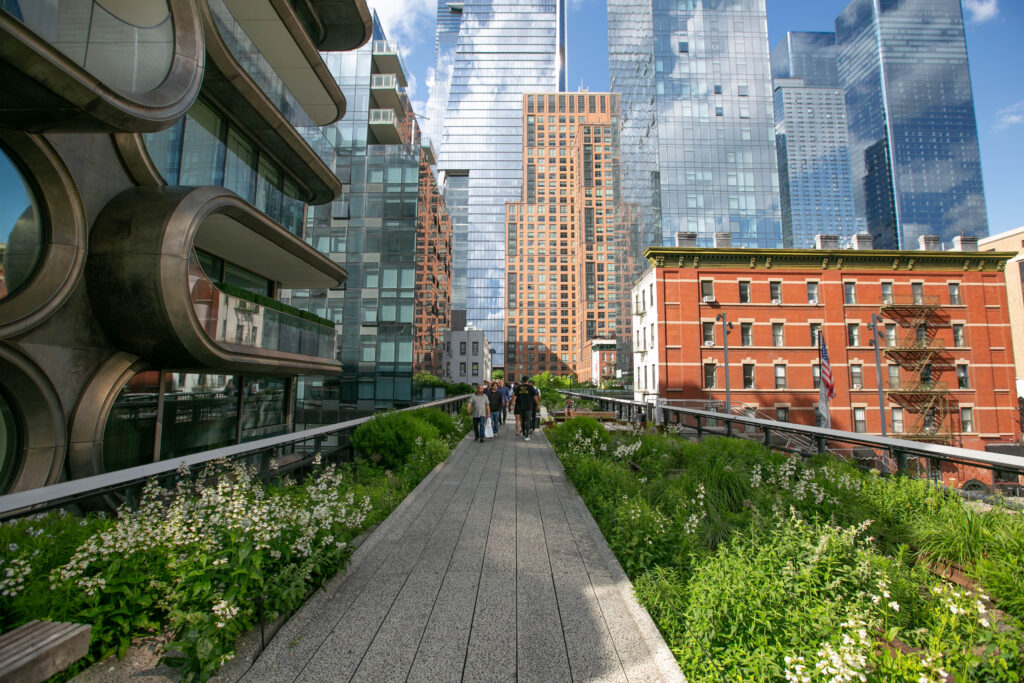
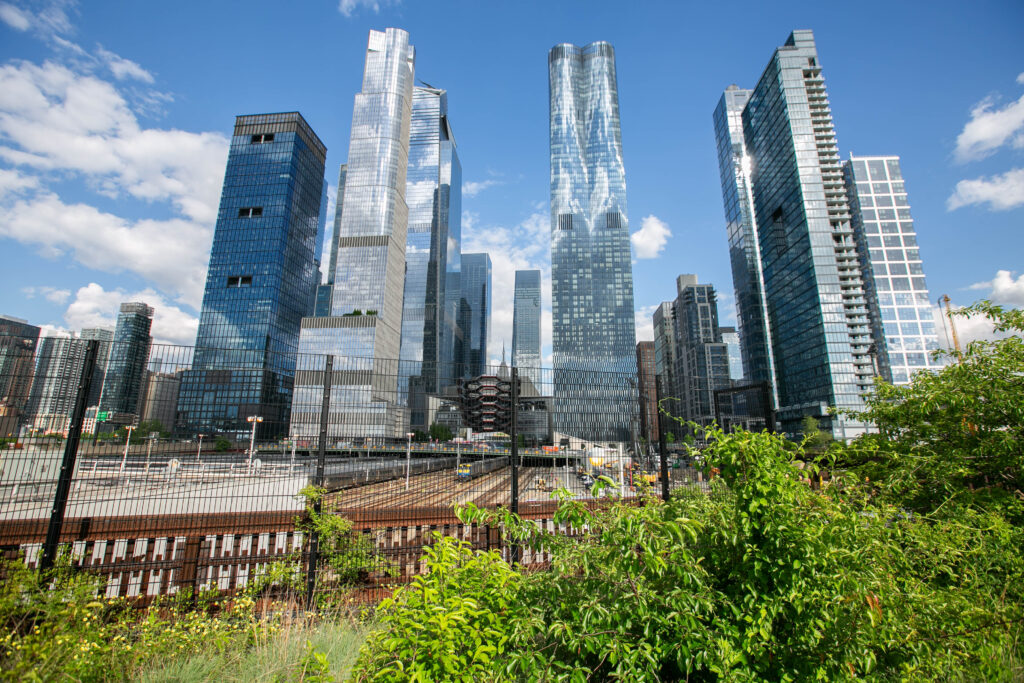
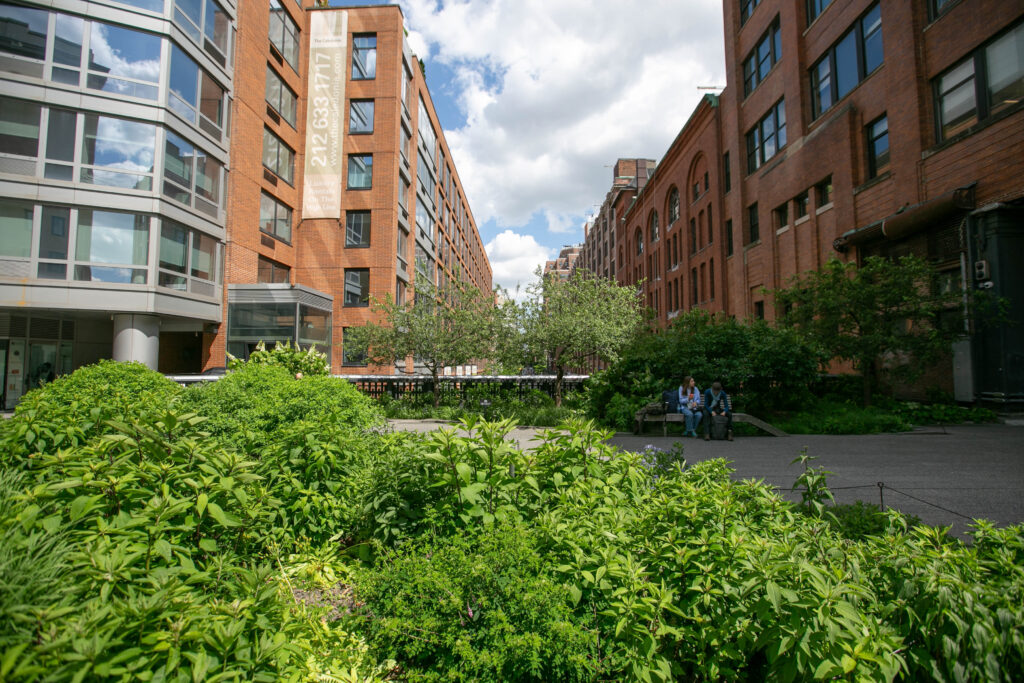
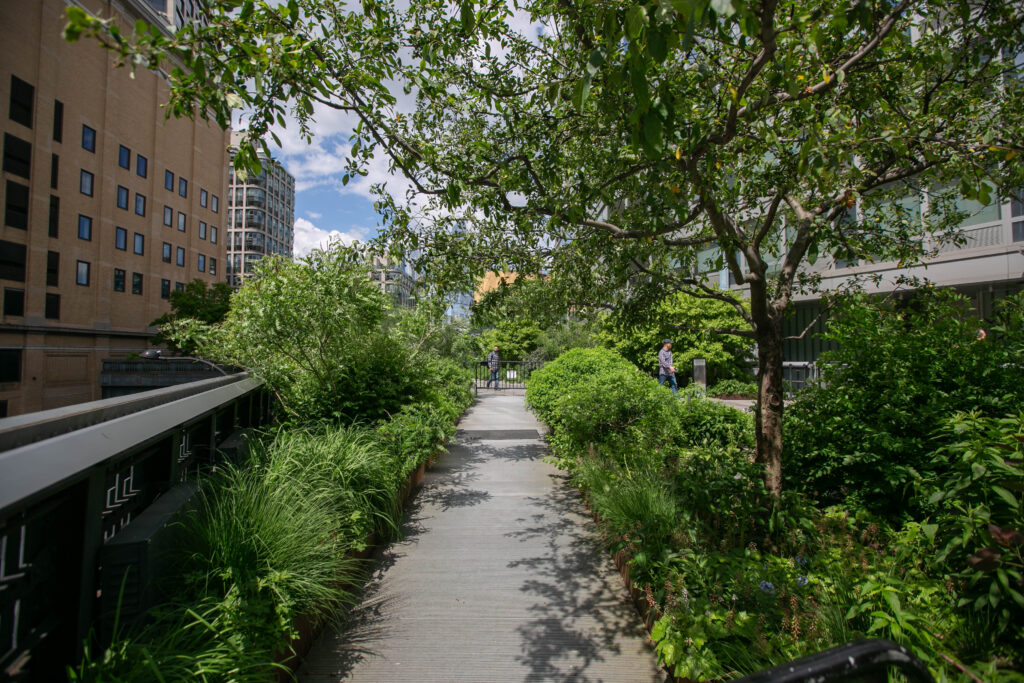
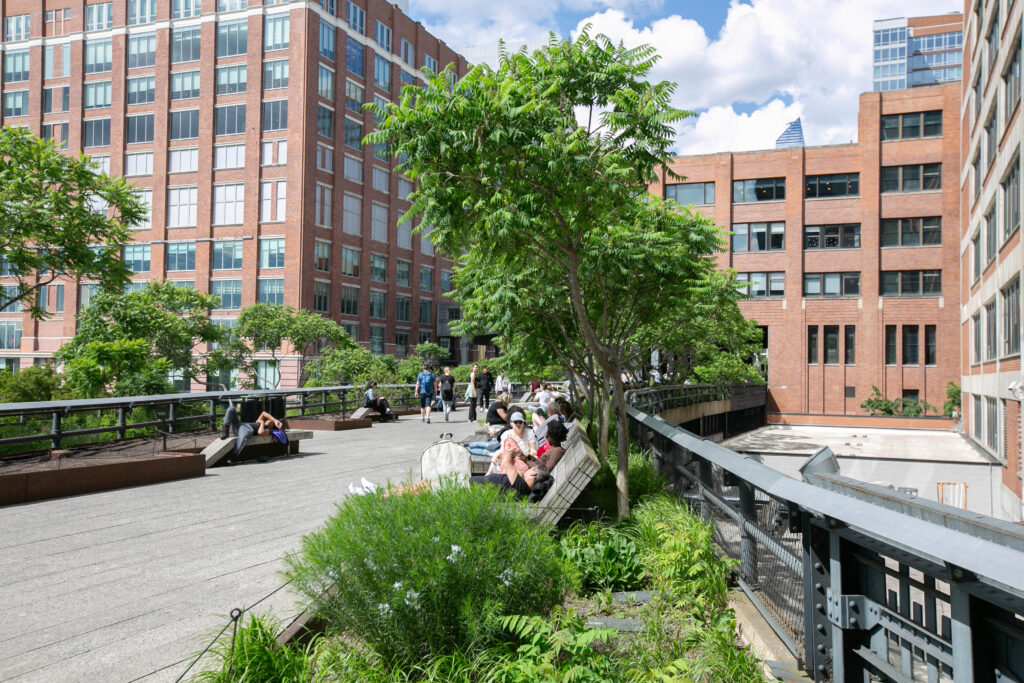
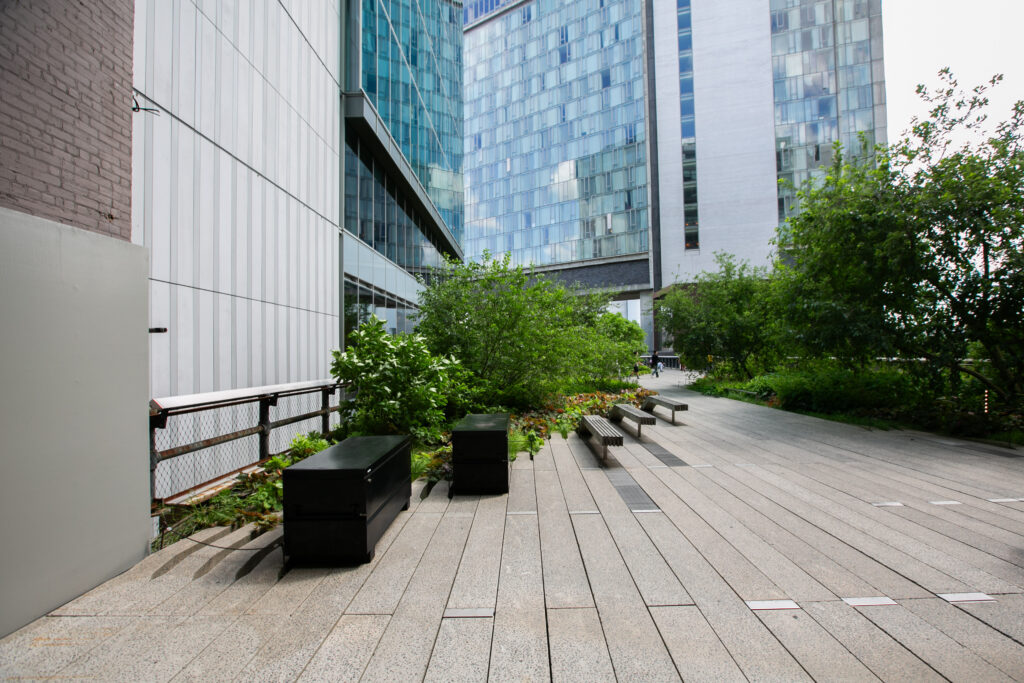
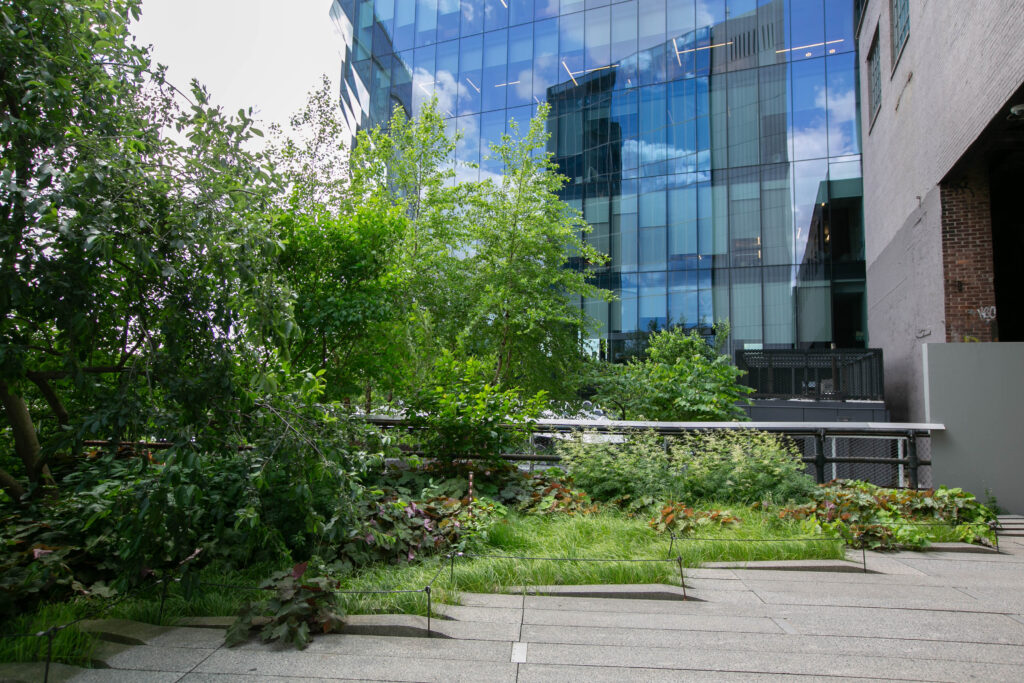
The result is architectural and plant success. The complementarity of the designers is revealed by a careful and elegant design of the various works, and the plant composition creates a real harmonious atmosphere. This online park, perched at 9m high, extends over 2.3 km. It is a book that fully integrates itself into an approach of resilience and adaptation to climate change. The High Line is the longest vegetated terrace in the world. The substrate created for plant installation has a coefficient of up to 80% rainwater retention. There is still an automatic watering installed to compensate for water shortage during dry periods. Piet Oudolf's work is very interesting. He mainly used « native plants » to compose these massives and atmospheres. It's a real success! This linear park takes us through the Chelsea district and offers remarkable views of the city.
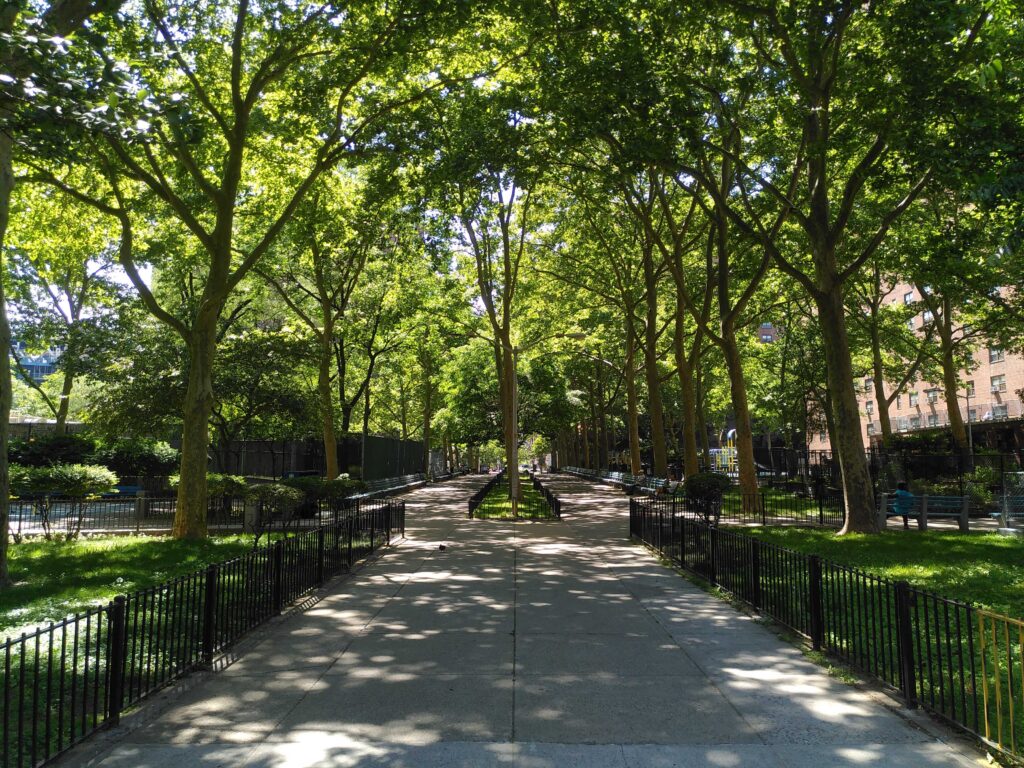
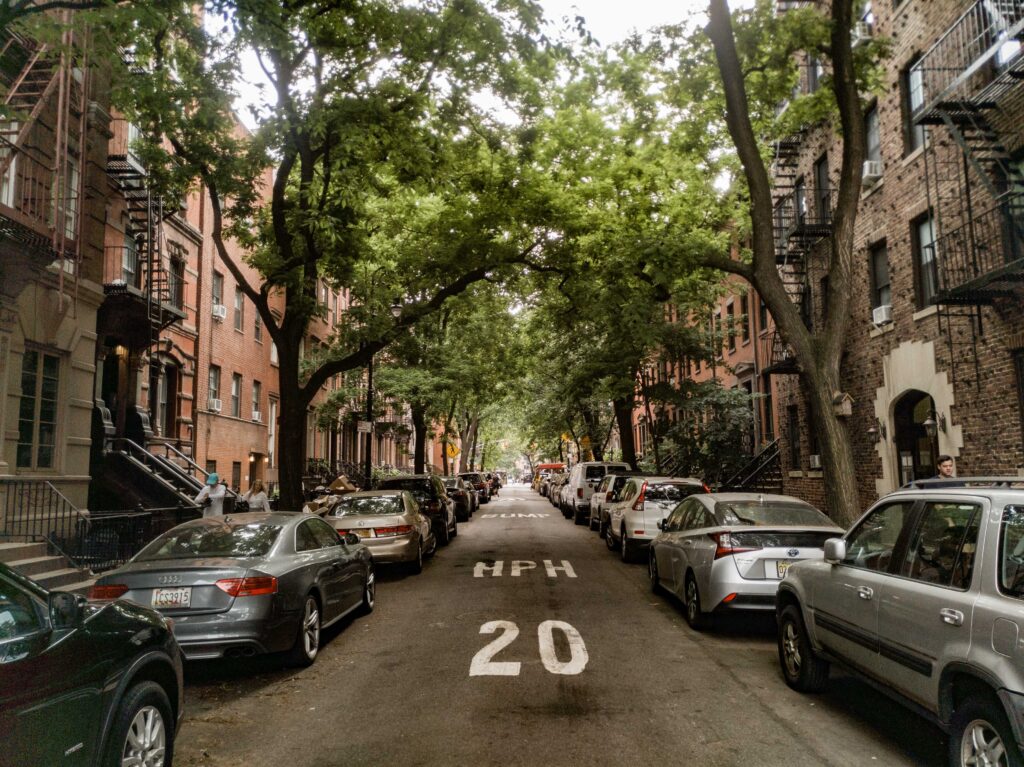
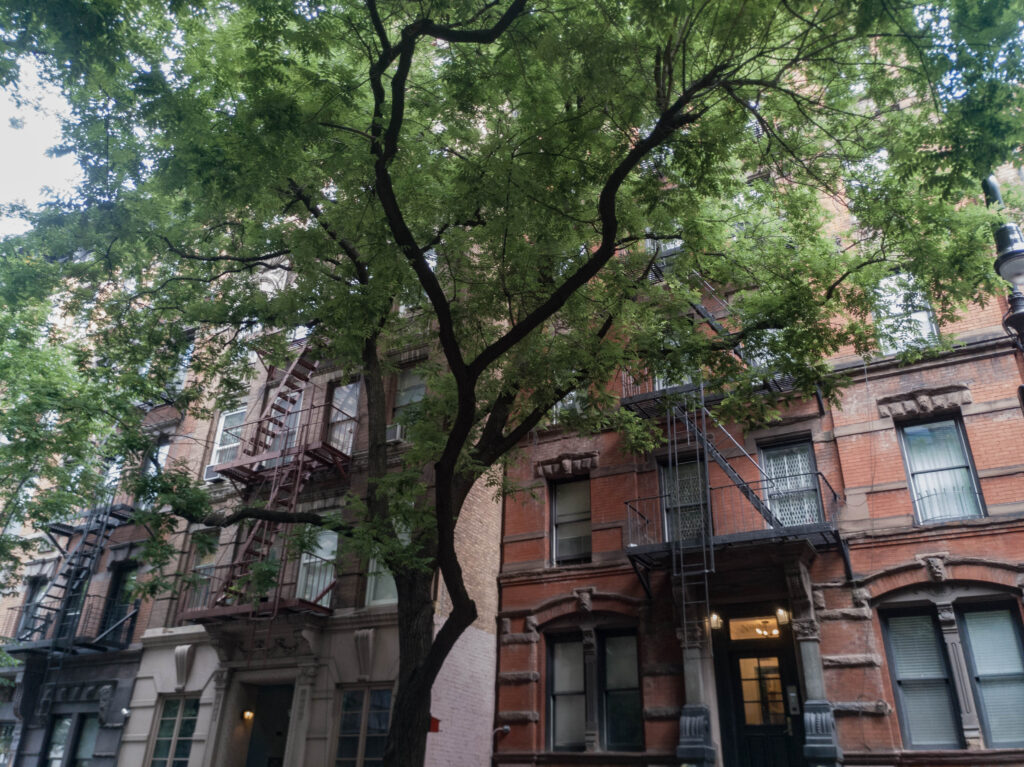
On our journeys across the city, we have been able to cross other parks, such as Madison Square Garden, Liberty State Park, and other less well-known parks. We did not observe any real trends in the maintenance of these parks. Many large green lawns, often watered, and well manicured massifs to satisfy the eye of many tourists passing by. There would be a way to optimize a lot of things without denatured parks, but New York is a city that never sleeps, and seems far from these concerns. Yet, the city cares about its future by acting on the rise of water and integrated storm water management by promoting draining developments. The city is generally well wooded and trees can be seen in all streets. Trees are left quite quiet in their development. This is a pleasant observation that can be made on all the places we have passed, including in the Boston area. The U.S. administration is very concerned about moulds that develop in raw milk cheeses, but people seem very confident with trees. It is very pleasant to be surrounded by great subjects, including in the immediate vicinity of the houses. In France many trees in these same situations have already been cut several times or even slaughtered to prevent the risks.