Far from having been able to discover all the riches of Massachusetts and New England, our programme provided for a departure for the west coast from 19 June.
Our guests left us a few days alone before our departure because they had to leave for France. We had great times with them. We were able to learn the American farewells: « shorts and sweet ». A Hug is we go without turning! It's quite effective and like the meetings we've been able to make so far.
It was time to change the region, as the weather was starting to warm up seriously, and the cottage was charming, but it was not isolated to prevent the heat from returning. As the region consists mainly of forests and wetlands, when the temperature rises, with the humidity in the air, it would seem a little below the tropics.
When we started thinking about this project and this trip, we were very eager and wanted to be as coherent as possible in our way of life and travel. With a lot of envy and a little hope we inquired about taking the train and crossing the country, at least on one part. But the train (the main lines at least) is made mainly for the transport of goods. The convoys are extremely long, very impressive to see.
With time and a few thousand euros of extra budget we could have tried the adventure. We would have crossed (about 80 hours) in sleeping cabins. We could also do stages of about ten hours and stay a couple of days on site before taking the next train. We soon saw that it would not pass, too long and too costly for us.
So we resigned and returned to the plane like most Americans to connect one coast to the other.
The aircraft is failing to provide a strong supply of CO2, but allows you to admire the country and observe the geography of the country you cross. It took us almost as long to connect Portland from Boston (6h) as we did the Nantes-Montreal (7h).
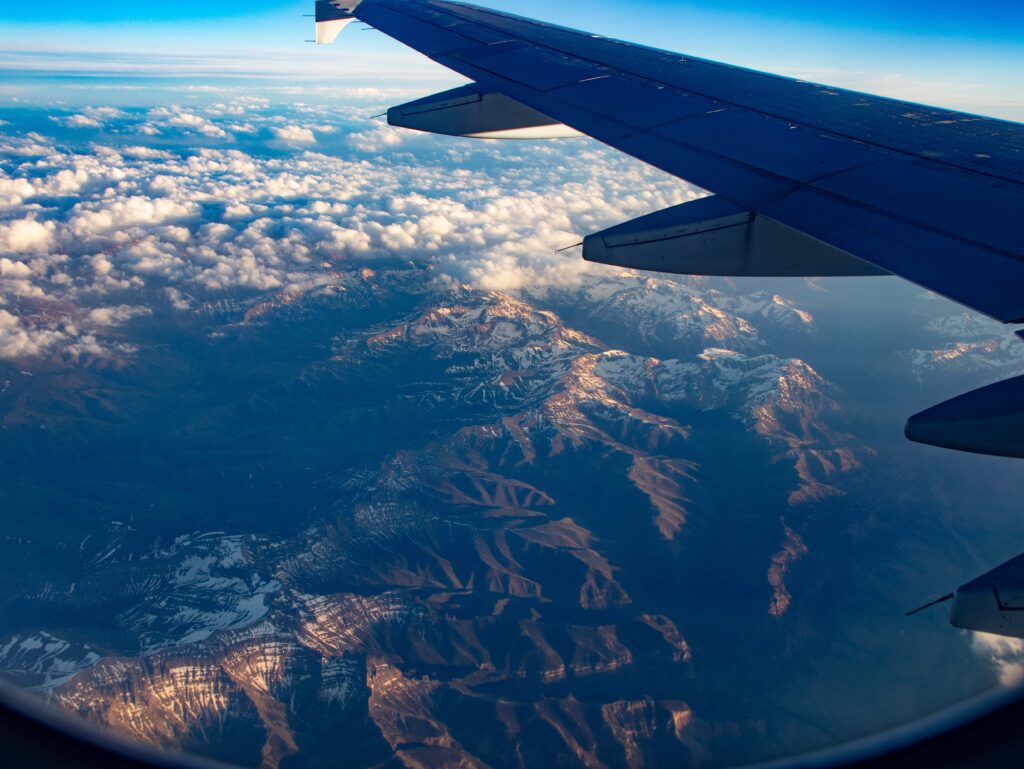
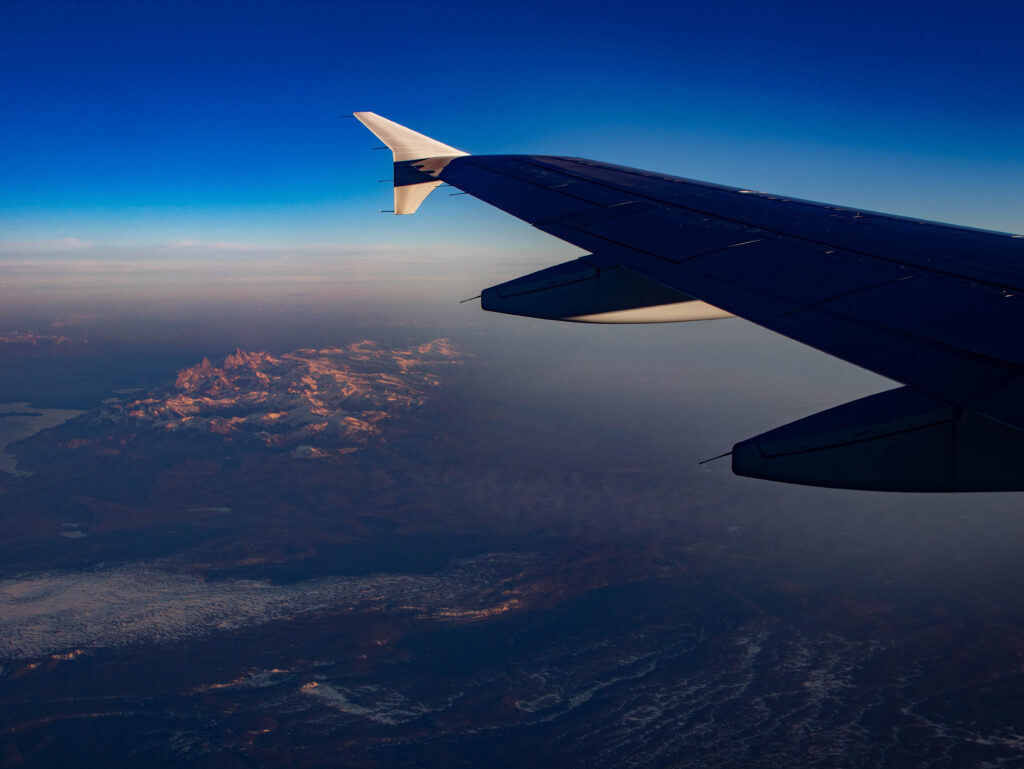
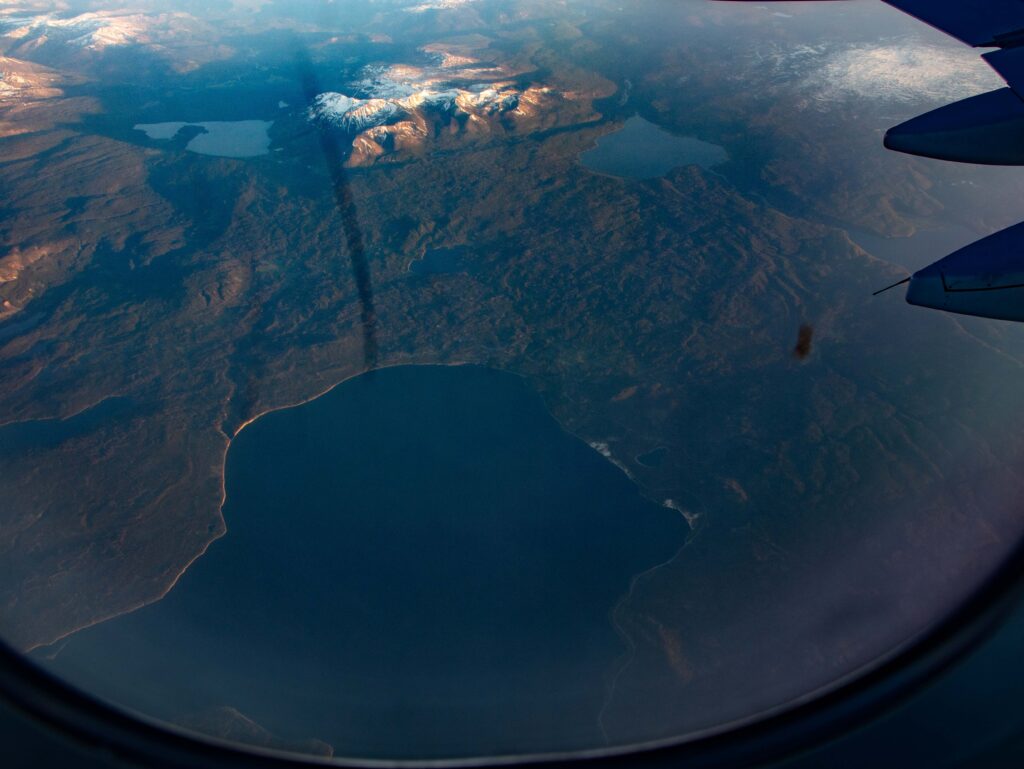
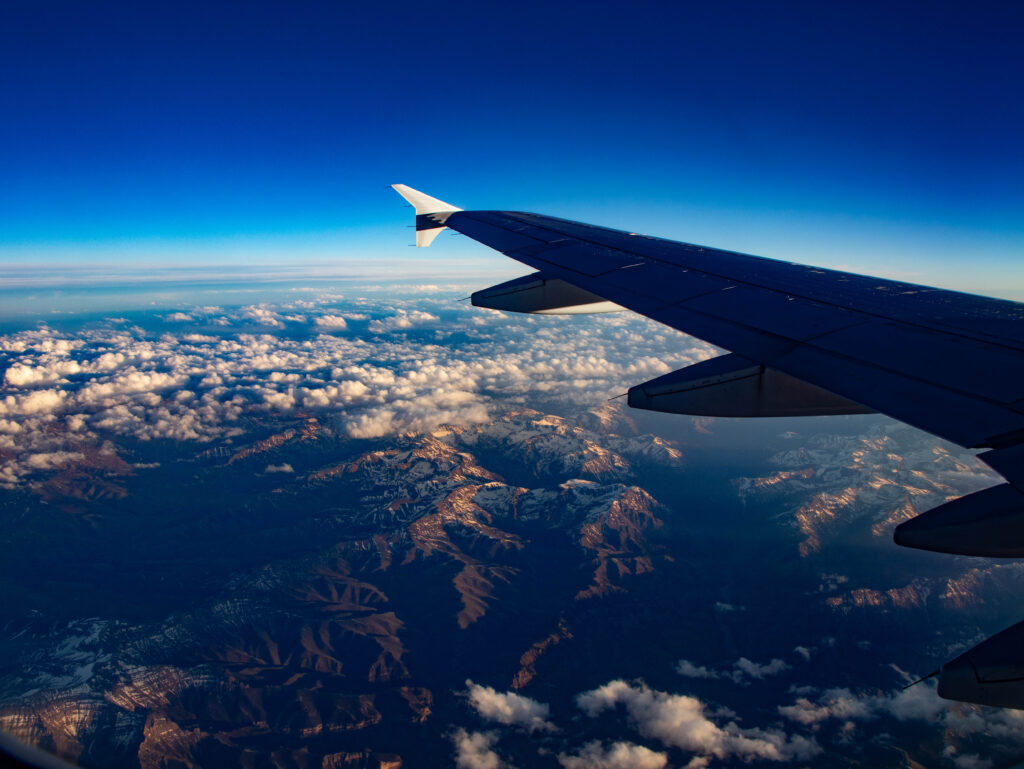
Takeoff from Boston allowed us to admire the ocean and the entire port. The beginning of the journey plunged us into the clouds. The sky cleared as it approached the Rocky Mountains. The view that was offered to us was very impressive, both by the vastness of these mountains and by the aridity that one could perceive from the sky, and the beauty of the lakes of altitude.
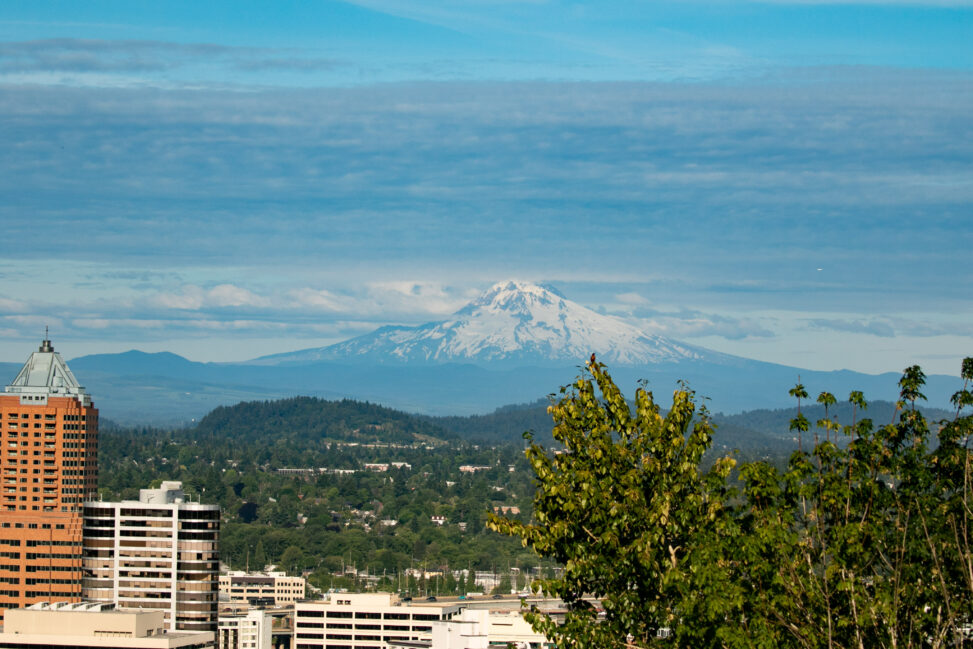
Another nice surprise was waiting for us as we approached Portland. A huge white cone, bluffed by sunset, appeared in the middle of the landscape. We remained silent in front of the beauty of this image. What did this huge cone come to do out of nowhere in the middle of this landscape?
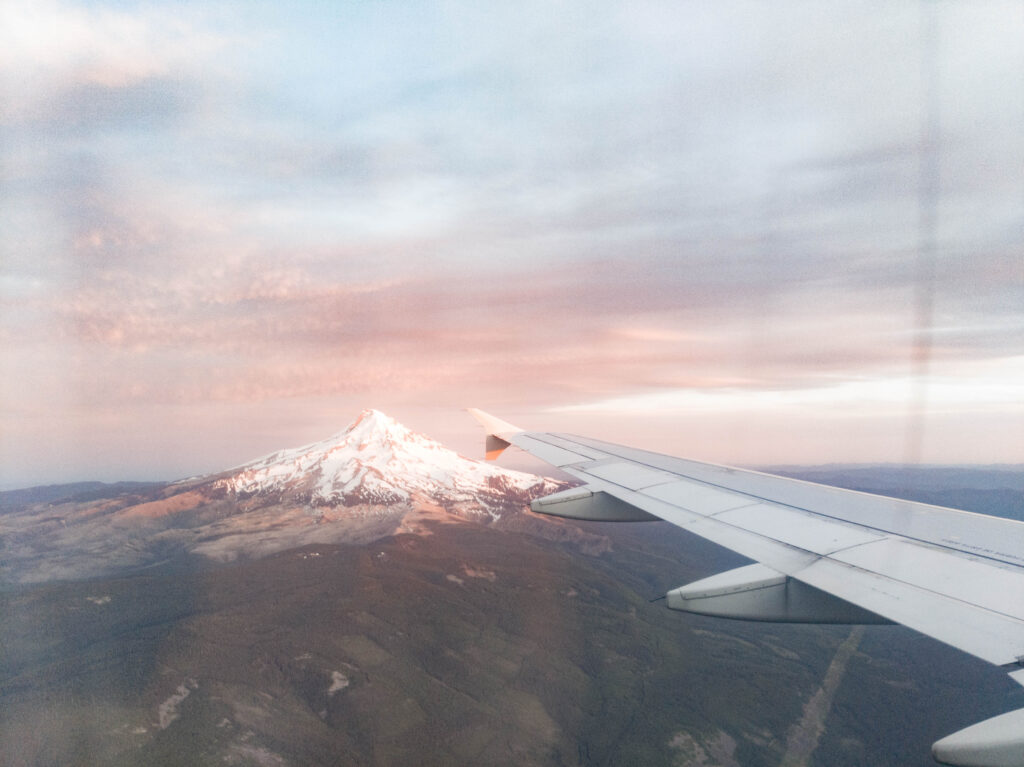
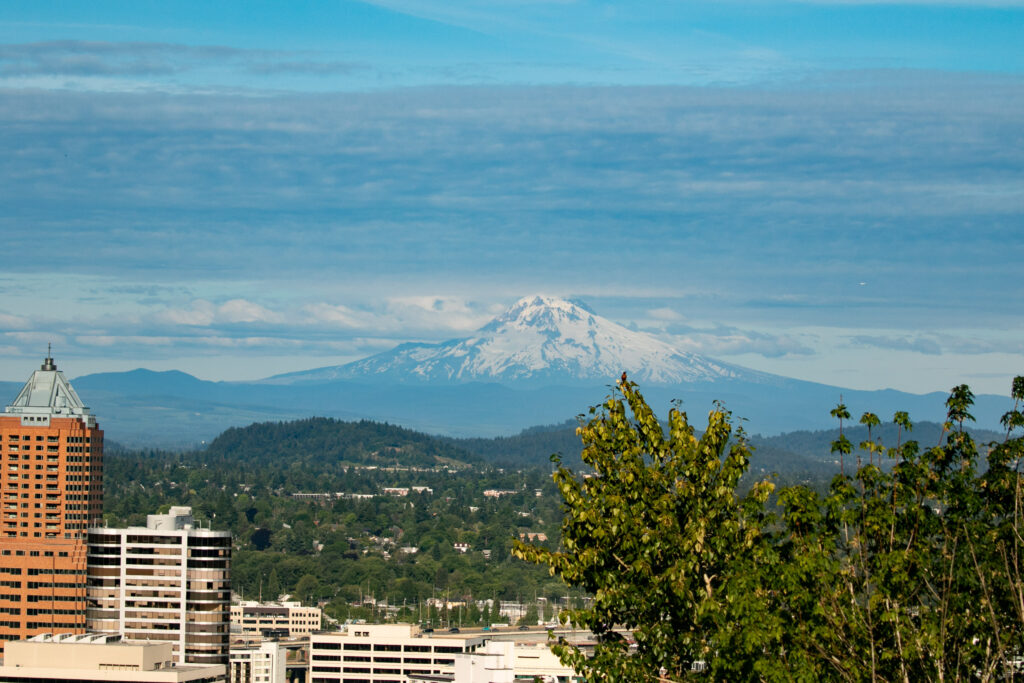
It was after our installation, and the more detailed reading of maps, that we knew that it was a volcano, Mount Hood (3426m). The city is actually surrounded by volcanoes, Mount Hood being the closest. When you travel on the streets and boulevards of the city that are oriented east-west, you can admire in the background the magnificent snow-covered cone of the volcano. A little further, taking a little height and clearance, one can see, with its truncated cone, Mount St Helens (2549m) and Mount Rainier (4392m). These three volcanoes are among the 160 active volcanoes in the Cascade chain. The chain is a stretch of the Pacific fire belt that extends over 40,000 km.
Mount St Helens is a little more familiar to us because its name came to us by the disaster of the last of its major eruptions (18 May 1980), which caused it to lose part of its height with a huge landslide.
It must be recognized that these very visible cones are very practical for orientation, provided that they are well differentiated. At the same time, it must be said that orientation in American cities is not a feat and is within everyone's reach. Cities are quadrilled and streets numbered with their cardinal point.
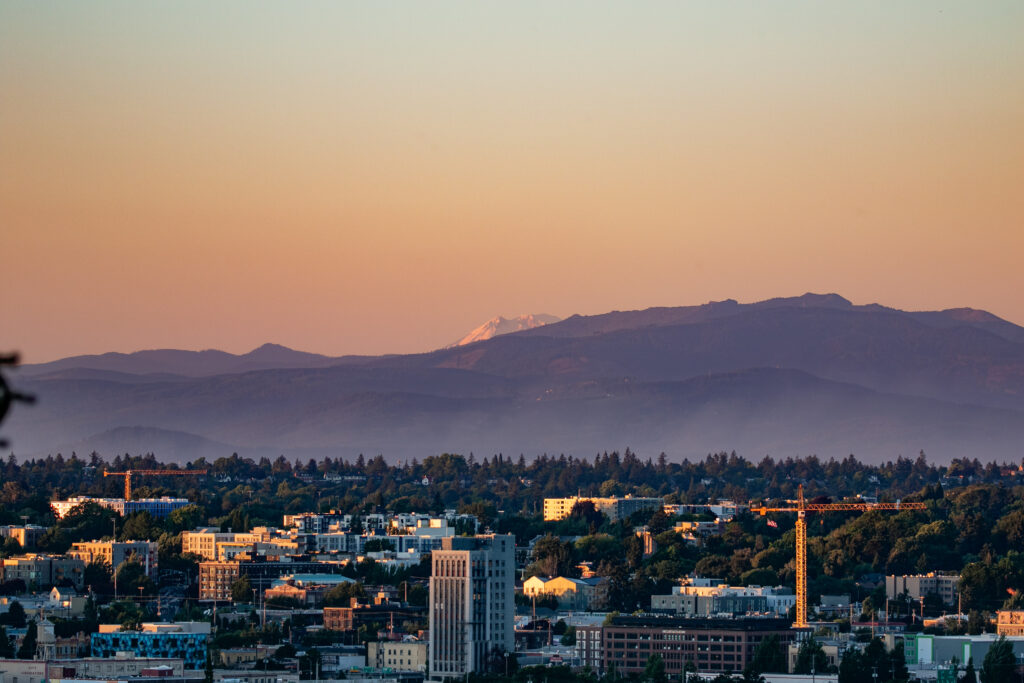
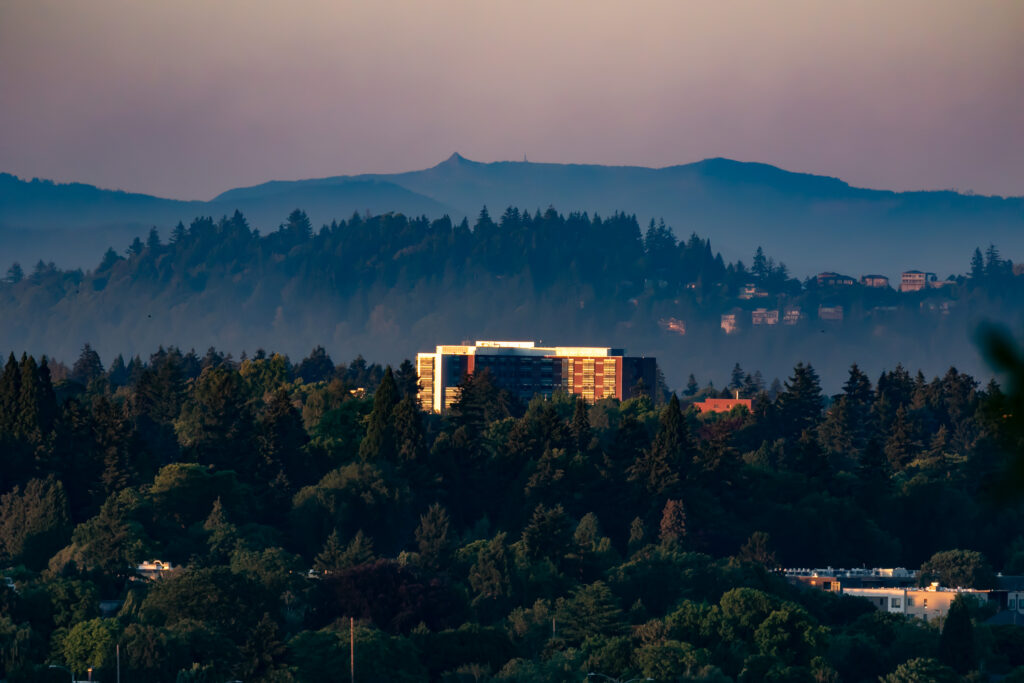
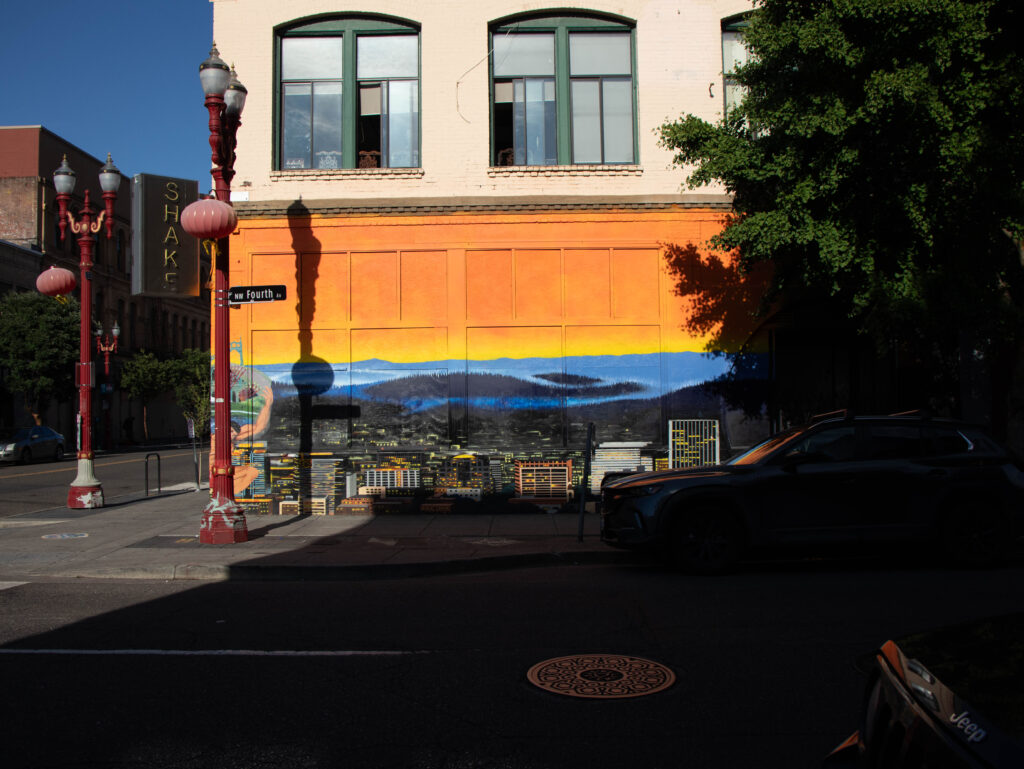
Portland does not escape this rule. This 173-year-old town is conceived as its older sisters in the west.
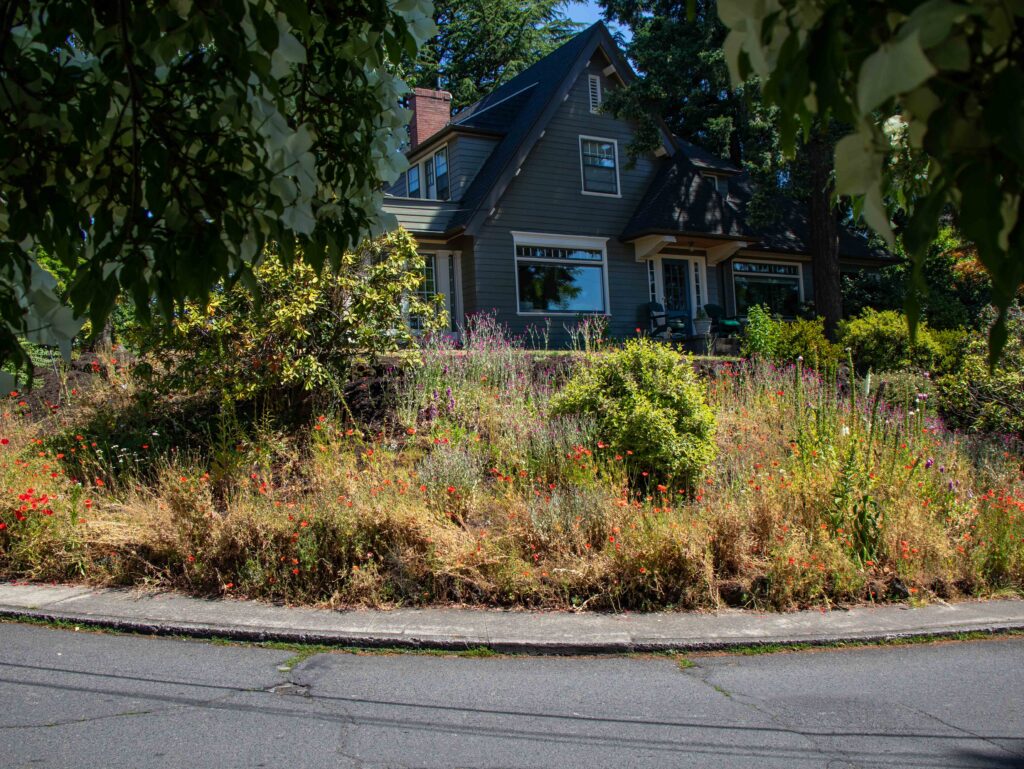
What brought us to Portland was the work the city started in 2004 to reduce the pollution of the Willamette River. The response was to vegetate the streets to hold and filter water. We will detail these streets more precisely in another article.
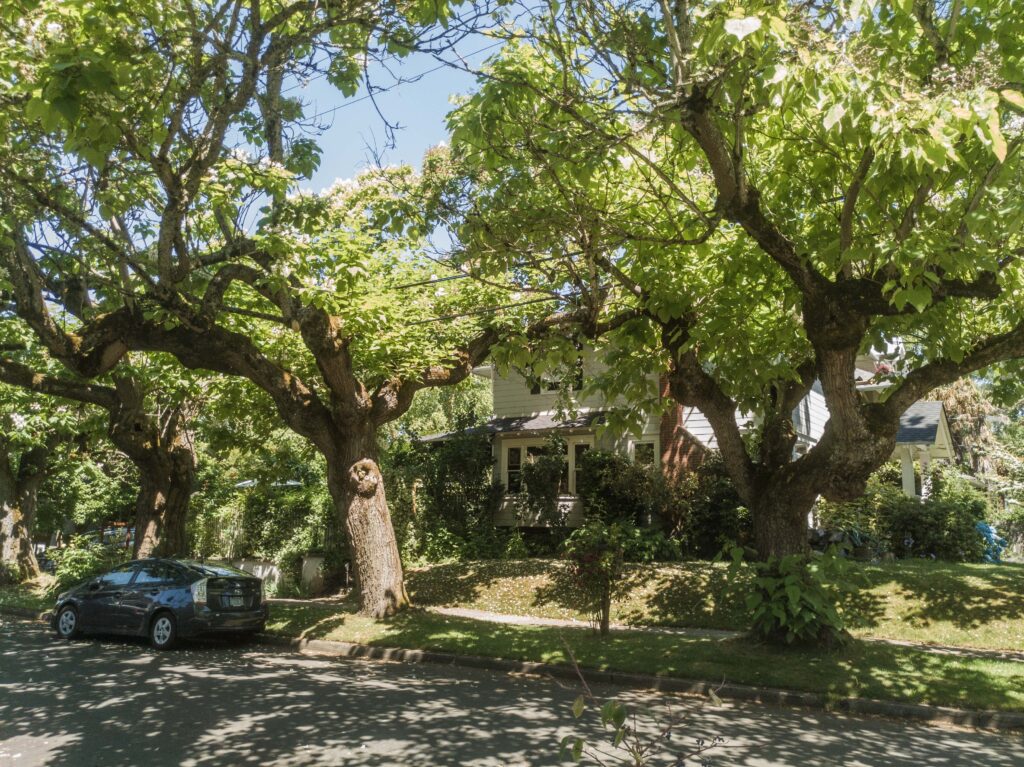
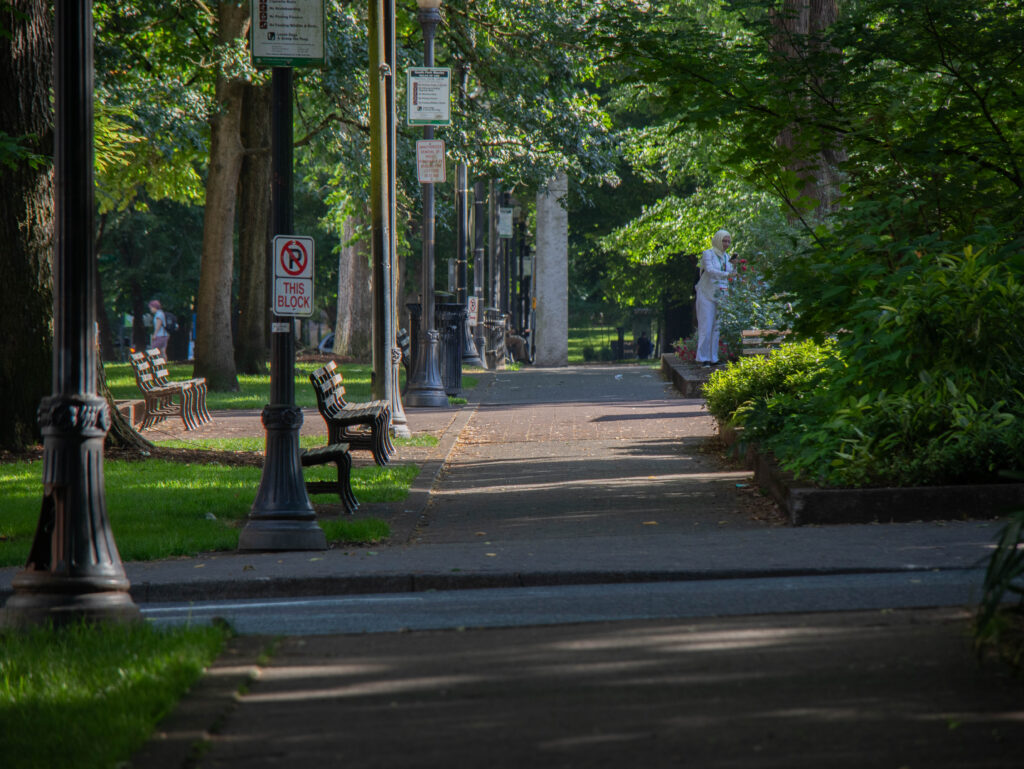
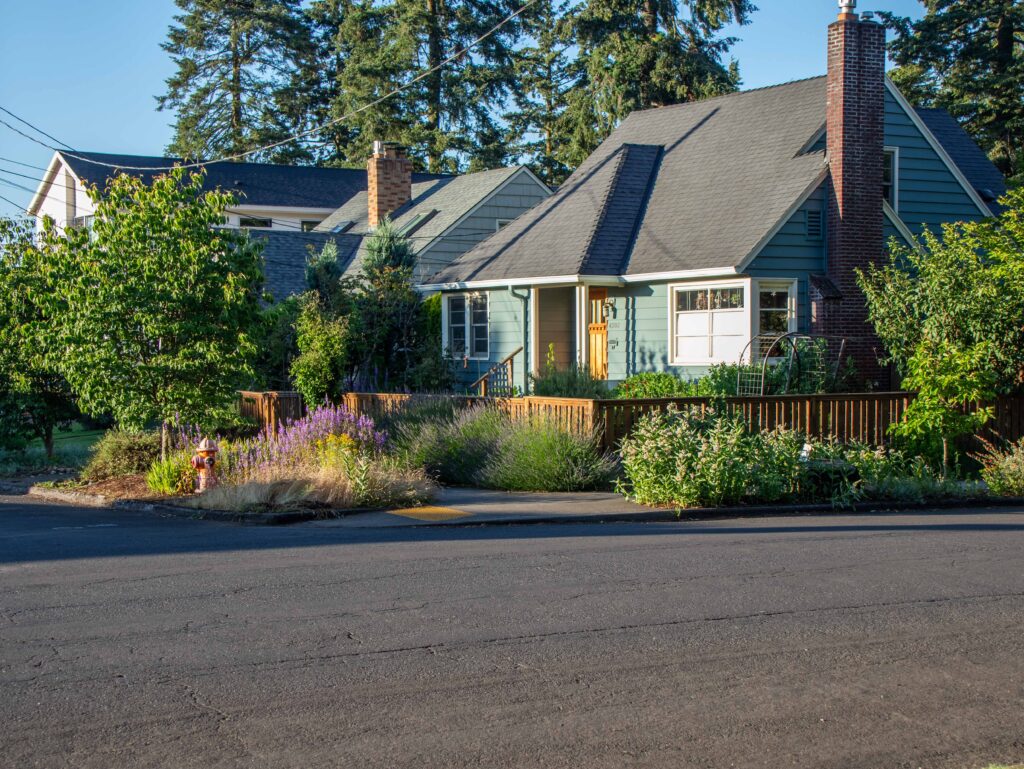
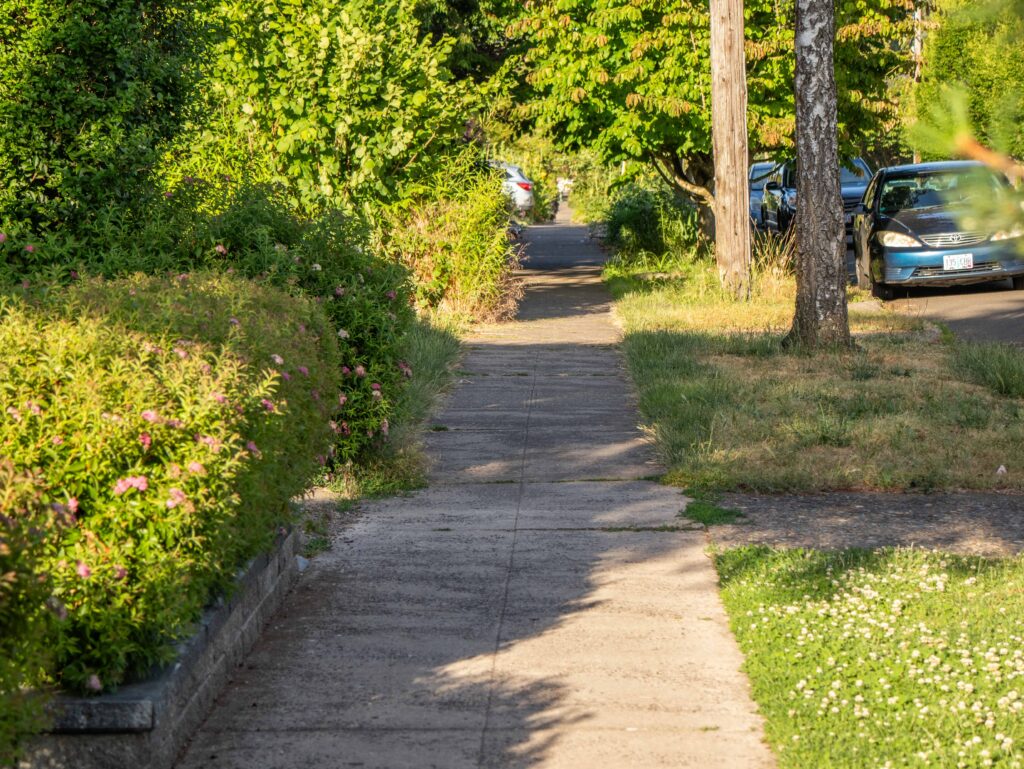
We are housed in a small apartment, in the « base », i.e. the basement. Most of the houses in the regions we visited are made of wood and are built on a hardened sanitary vacuum. For some people, this space is fitted out and offers additional space and for others it is storage or storage space. In areas where tornadoes and hurricanes are raging, it is an indispensable refuge for shelter. From our charming little bright cottage we went to the dark and fresh apartment. We miss a little light, but we appreciate the freshness in this canicule period on the west coast. We also lost the charm of the garden: from the large flowered and wooded garden of Holliston, we arrived in a small pavilion garden. It's not the most important thing. Our guests are very pleasant and always available to give us advice on visits.
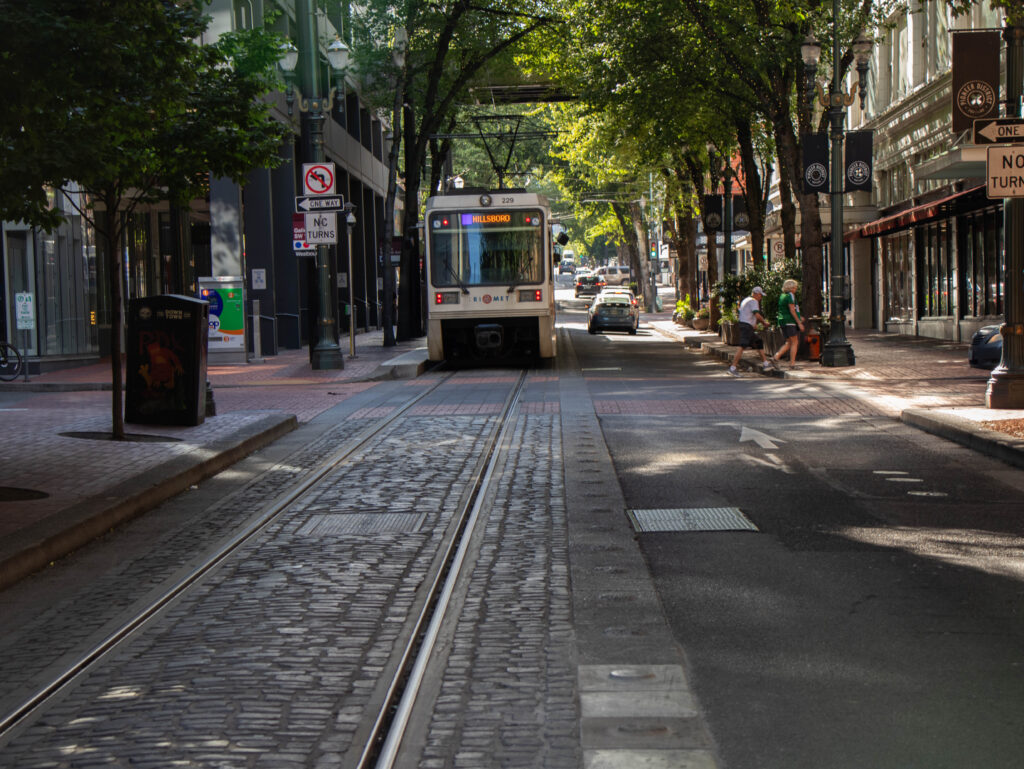
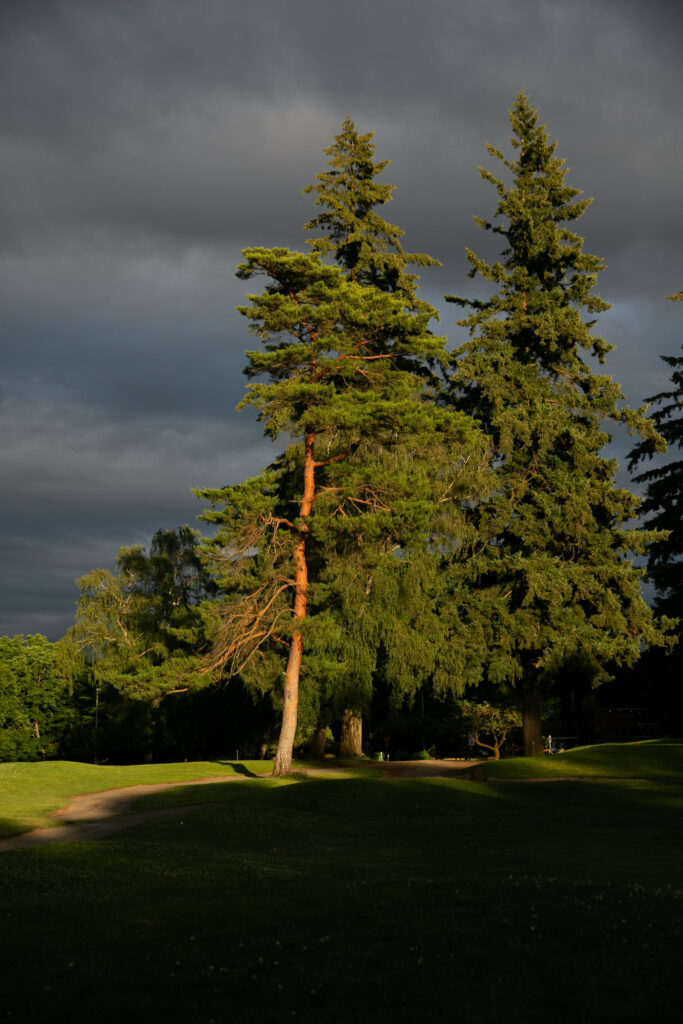
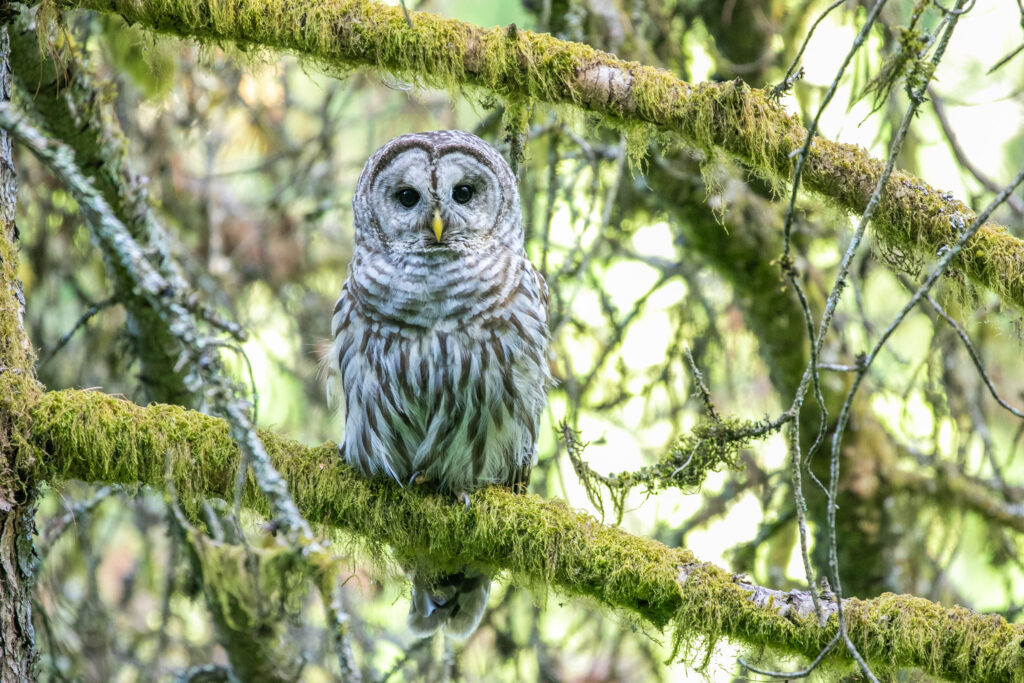
We are therefore here to meet with architects of the city who work on the « green streets » and visit the parks and landscape of the region. We will even push north of California to greet the Redwoods. To be continued...