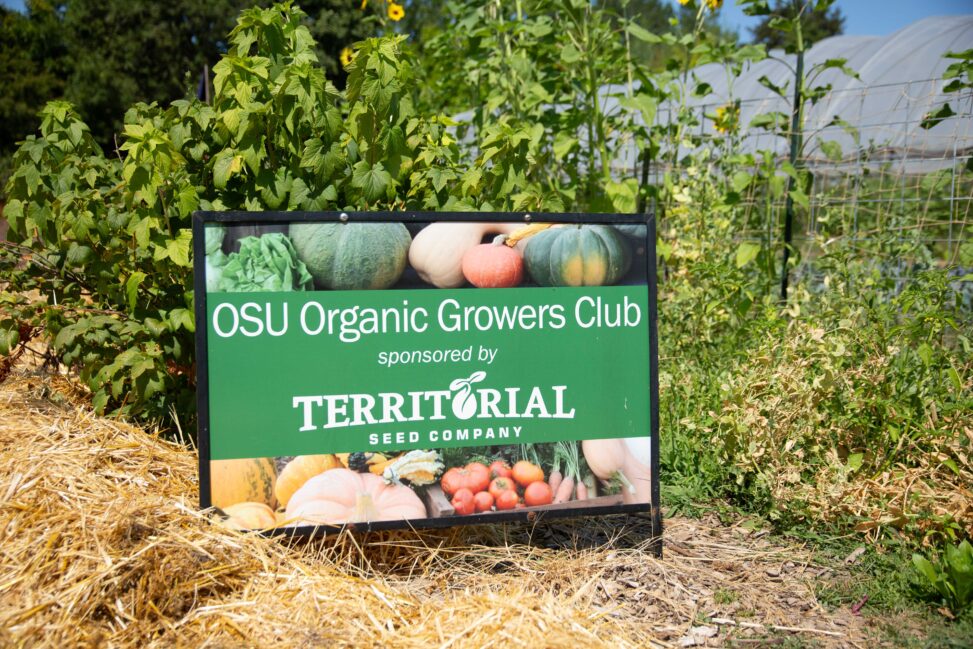
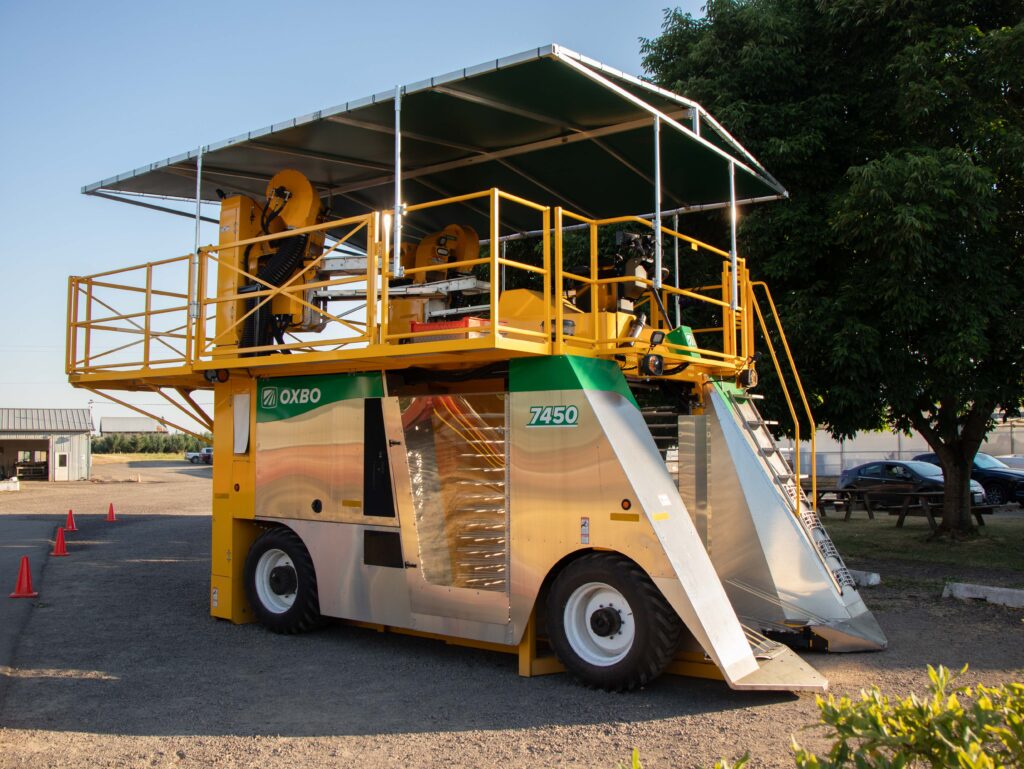
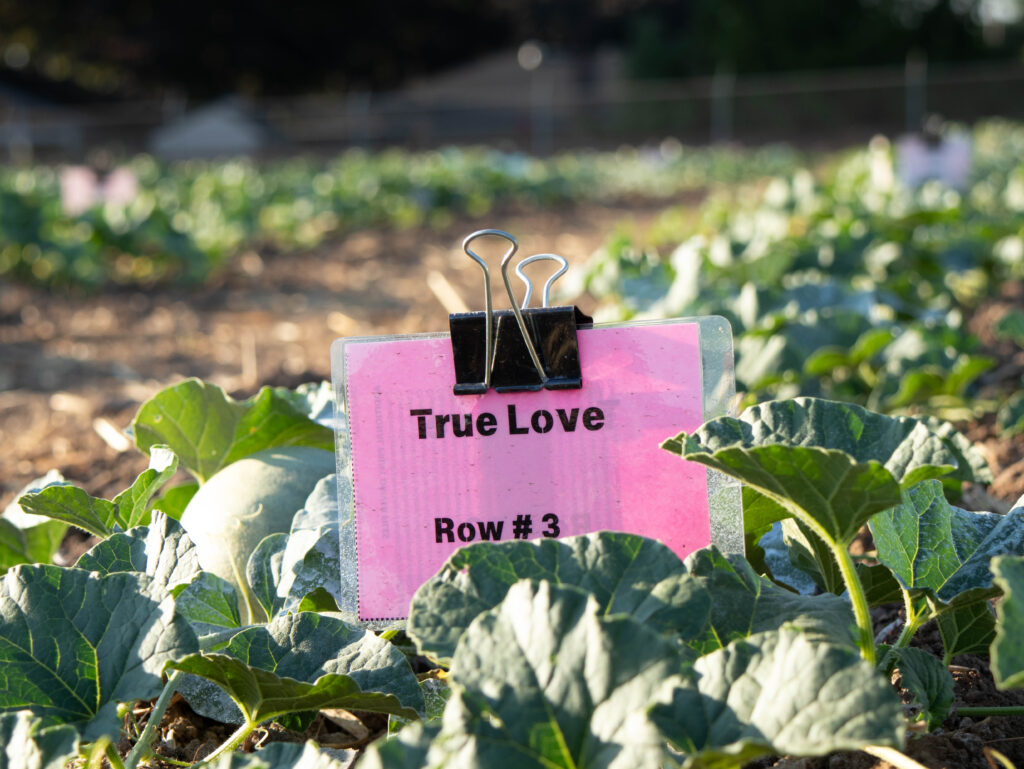
Our American stay is coming to an end, we have been in the United States for 86 days now. We had four days out of 90 authorized without a visa. We went down south towards Corvallis, to join friends. Corvallis is a small town in Oregon with nearly 60,000 inhabitants, including 40,000 students. We let you imagine the place the campus takes in the city. The Oregon State University (OSU) of Corvallis is one of the largest agricultural universities in the country. It was partly for this reason that we arrived in this area, because we had been told that there was research in this area. « dry farming », i.e. in culture without watering. Some olive, melon and tomato crops were observed.
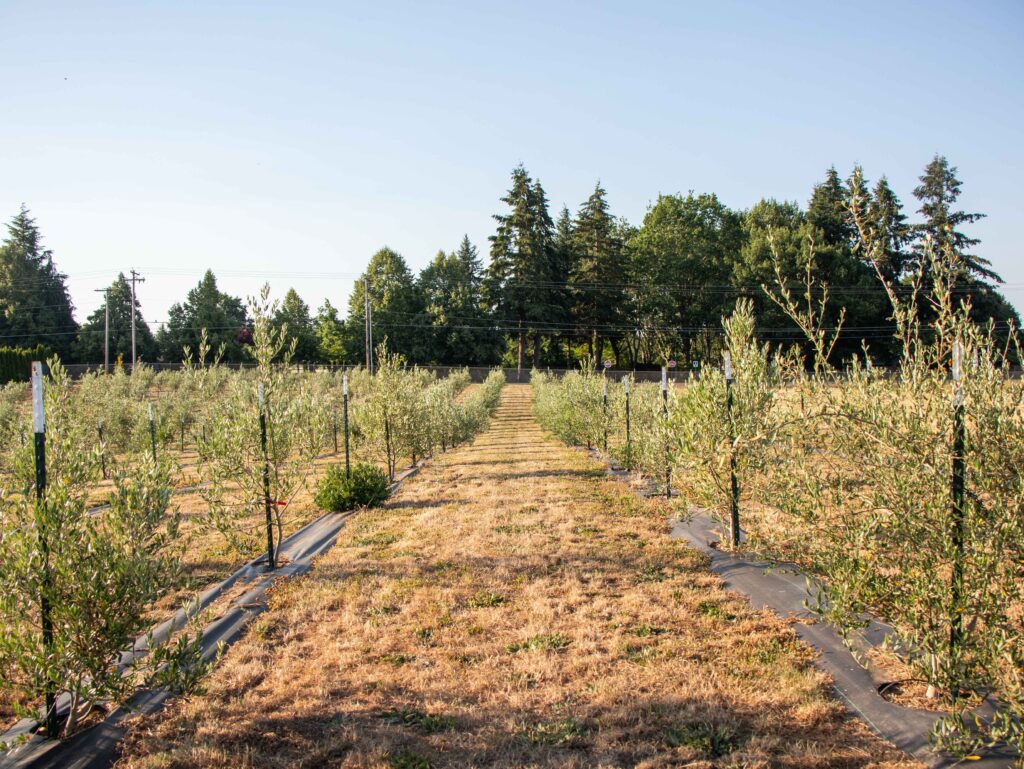
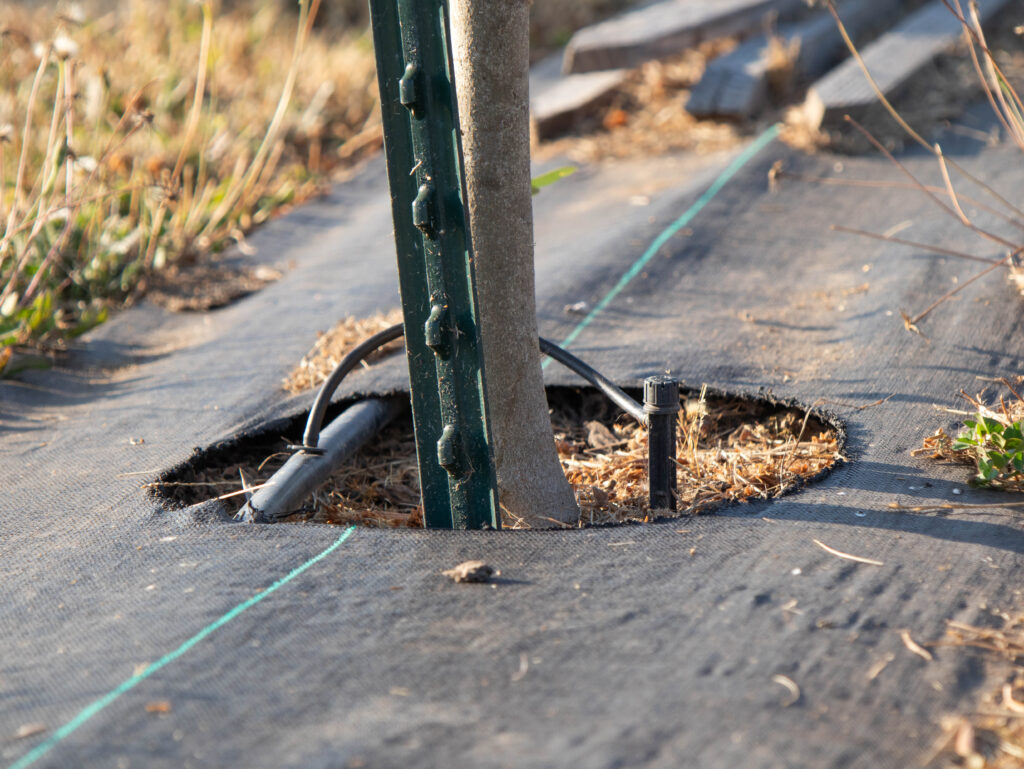
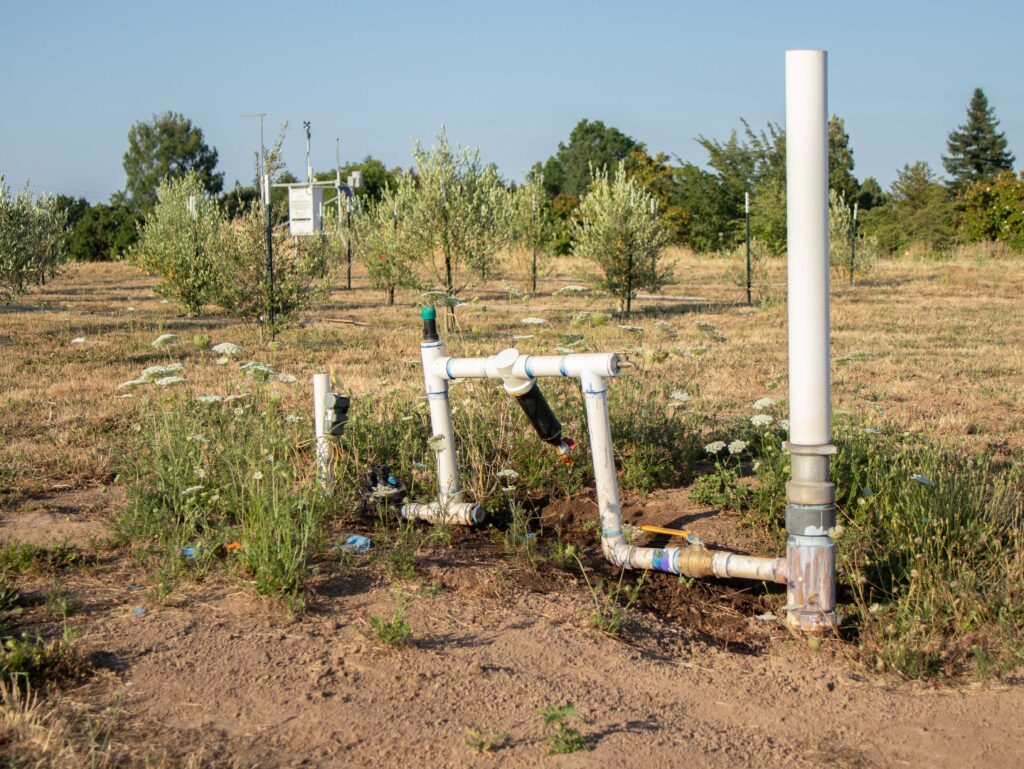
The purpose of such studies in this wetland region could be questioned. The first thing that is striking is that we stayed more than a month and a half in Oregon and we had only 2 hours of rain. When circulating around it is easy to observe that the landscape is all yellow. This is the main climatic feature of Oregon: the rains fall for 8 months of the year, which can accumulate up to 1500 mm in places, and the tap closes quite abruptly for the remaining four months. This very dry summer climate is very conducive to fires. The « rain forests », when dry, ignite like cages if conditions are met. In the region there is a map of the fires that must be viewed according to the hiking destinations. Our friends also told us that, starting in August, the smoke ended up accumulating and came to whiten the sky and degrade air quality.
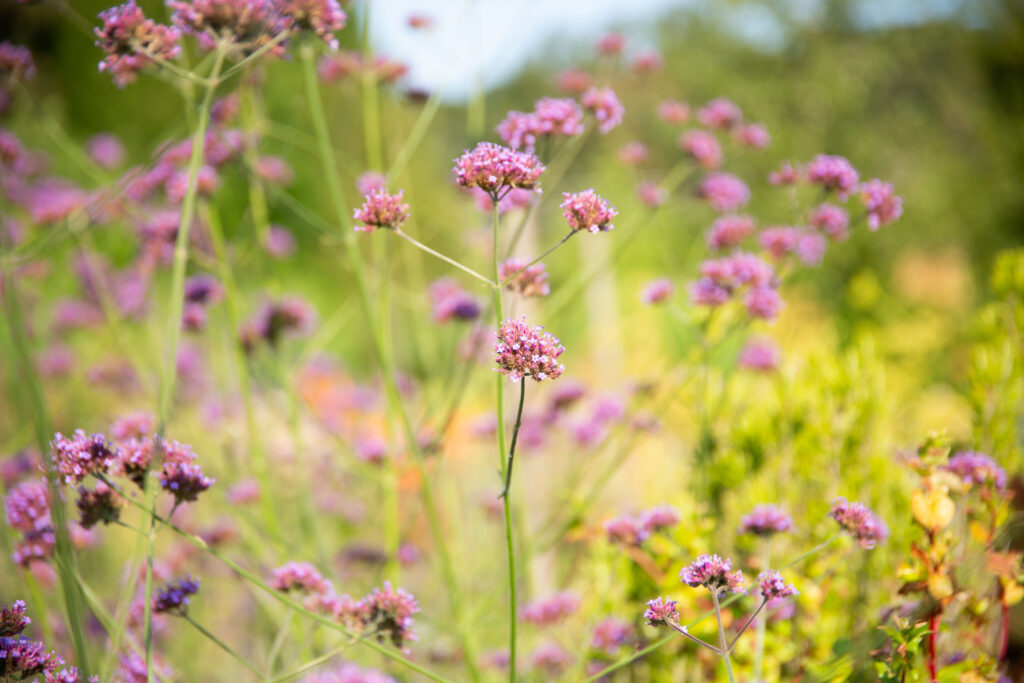
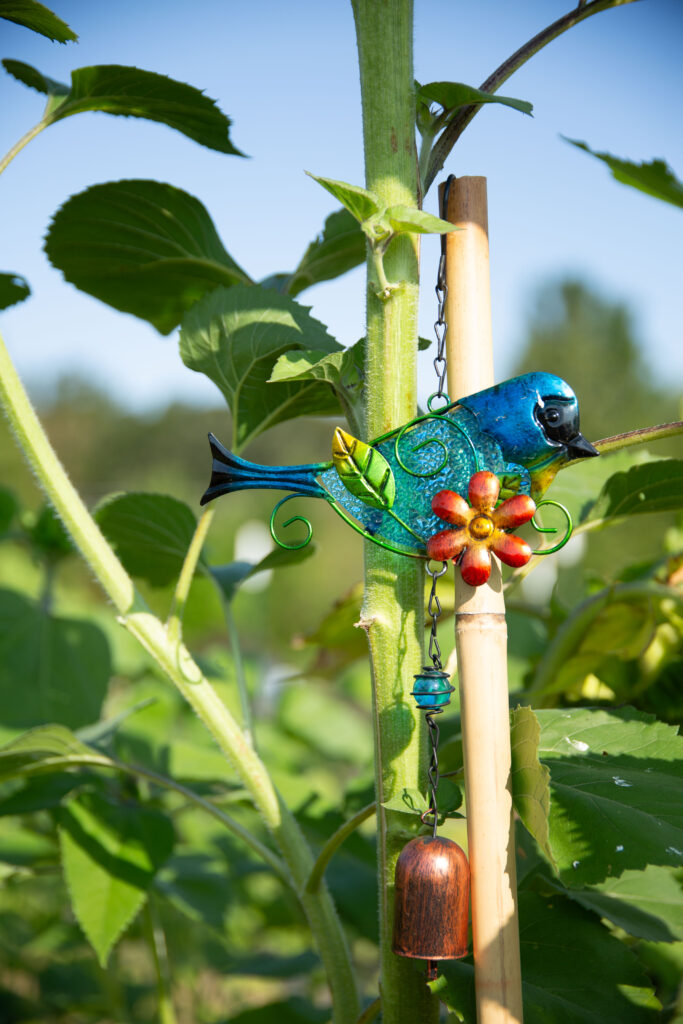
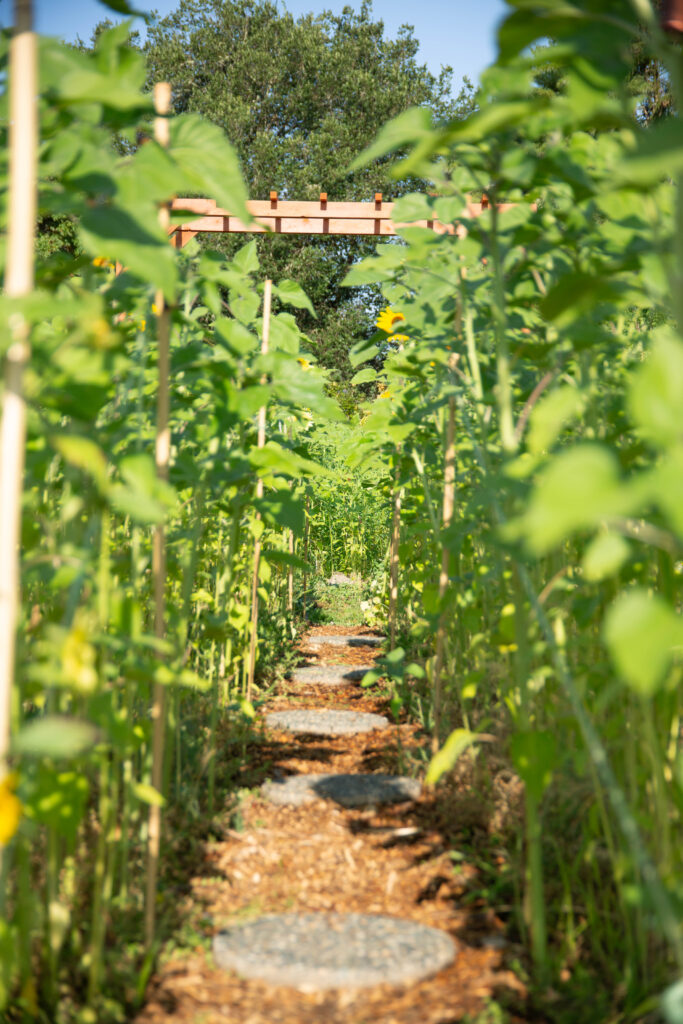
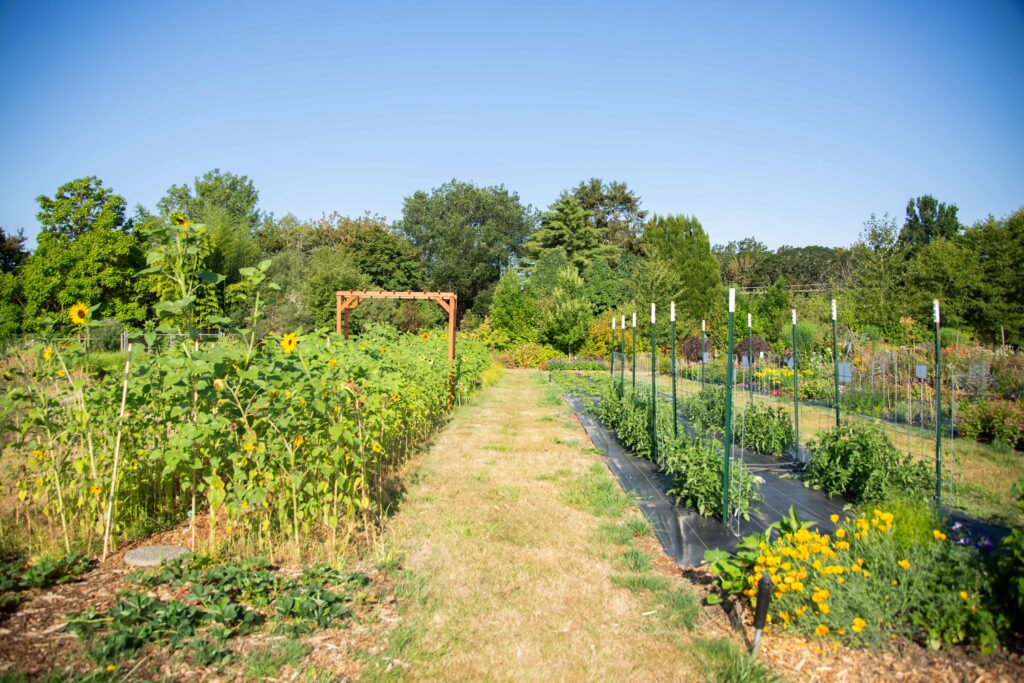
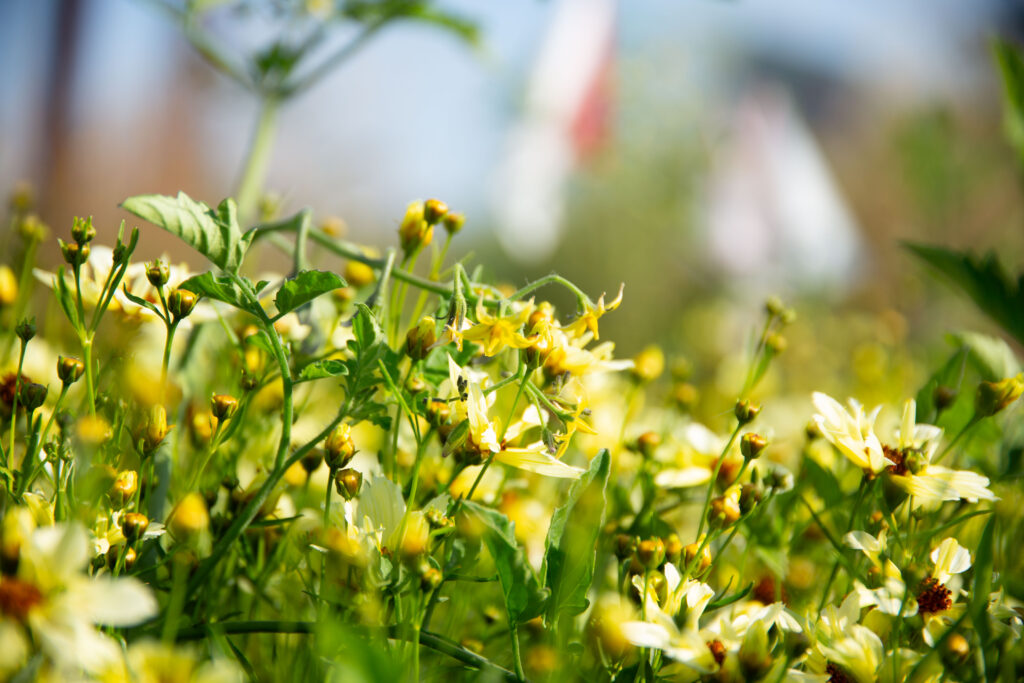
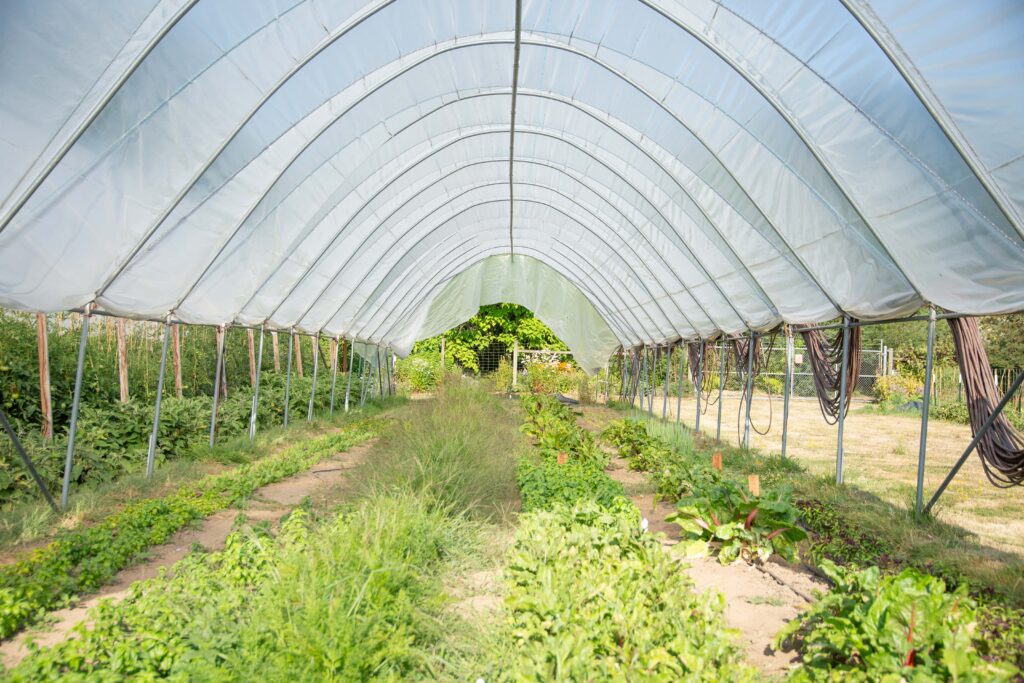
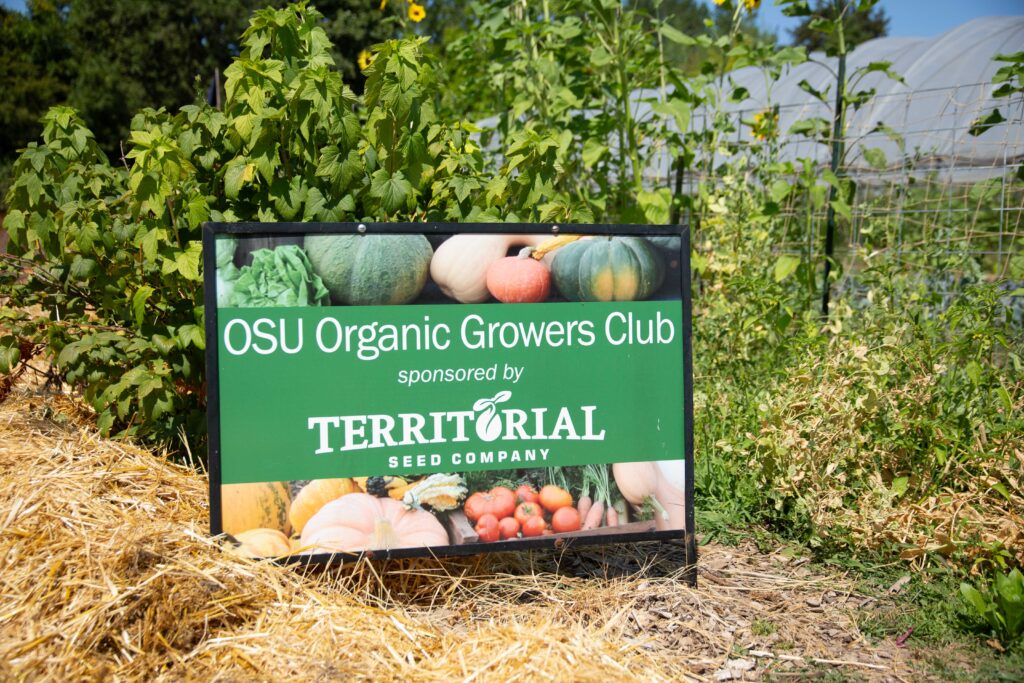
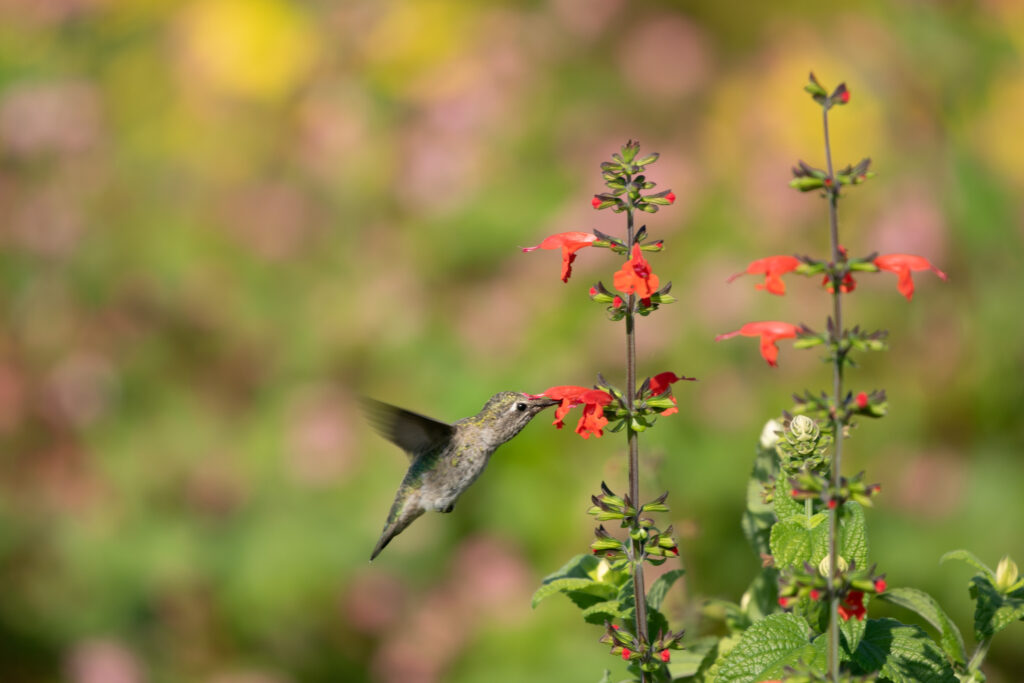
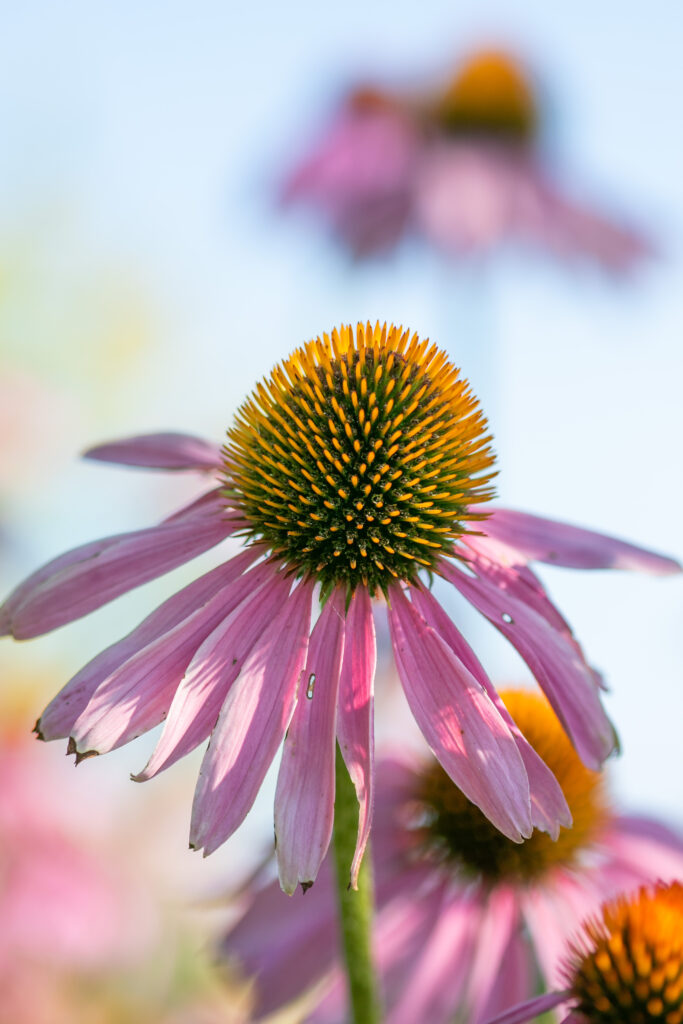
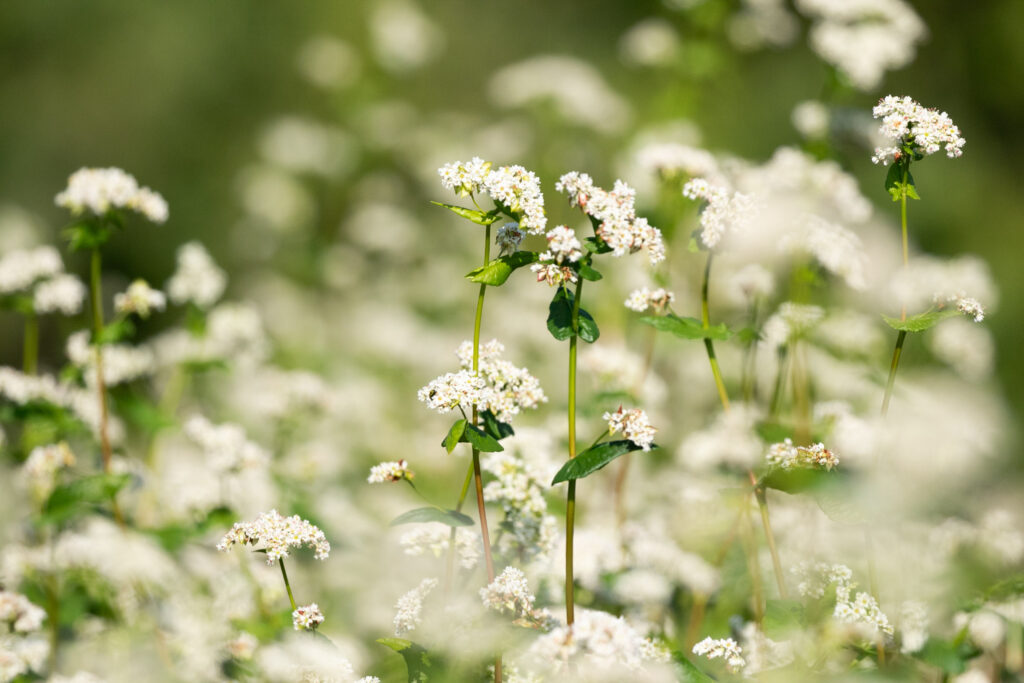
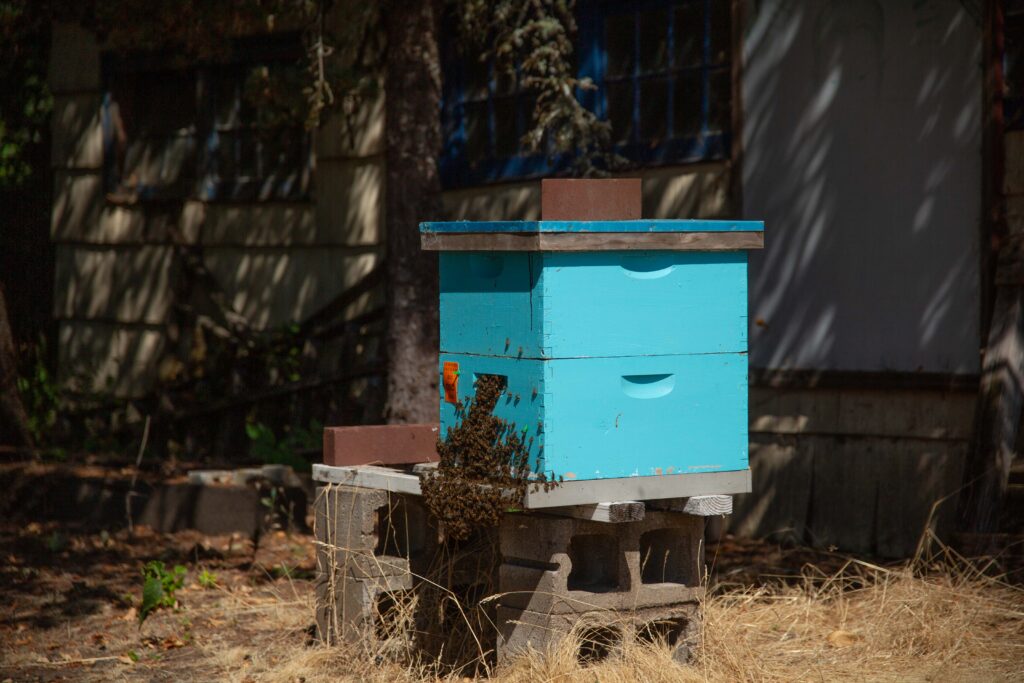
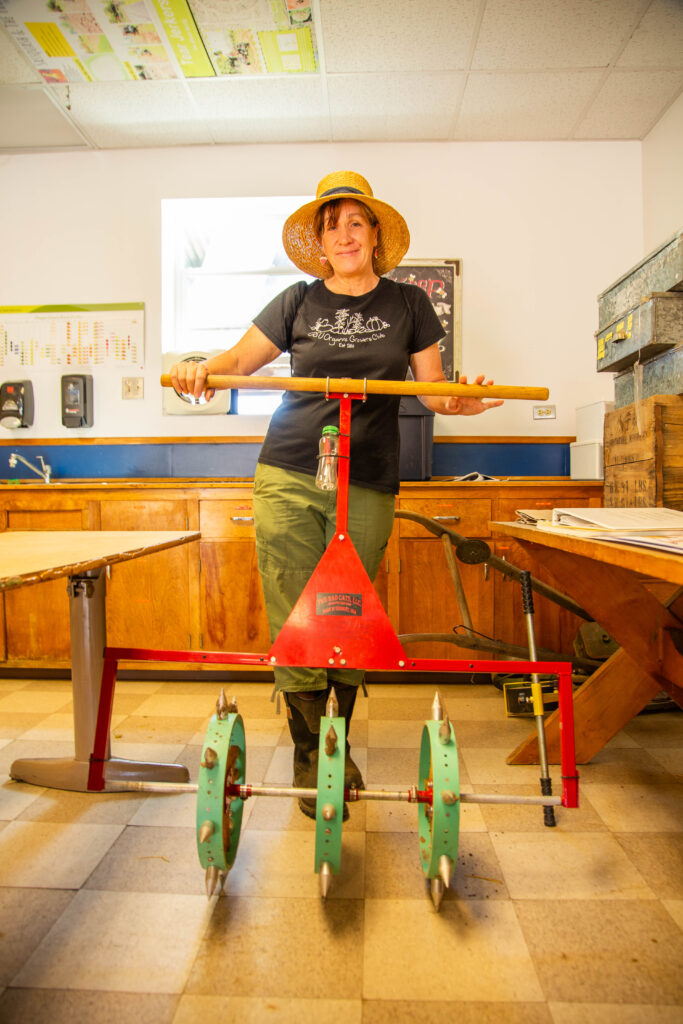
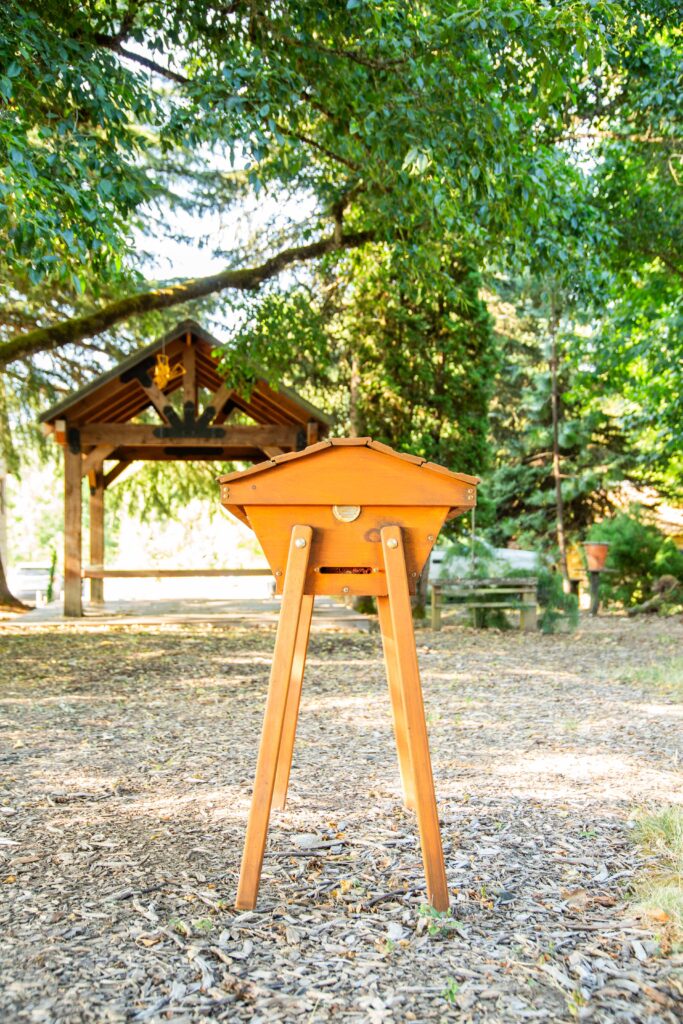
Corvallis is, like Portland, a city where many food and organic agriculture alternatives can be found. We were able to visit a garden belonging to the university, which includes research in dry farming, beekeeping, and which hosts the club of garden students. In organic of course. It was at the invitation of Aubine, a Franco-American student, that we were able to meet Sara, the head of the garden, who spoke passionately about the cultures they were putting in place on the site. In particular, an interesting study on pollinators and ornamental plants. We really enjoyed this visit, and the permeability with the general public that the university allows. It was in this garden that we were finally able to observe and photograph hummingbirds.
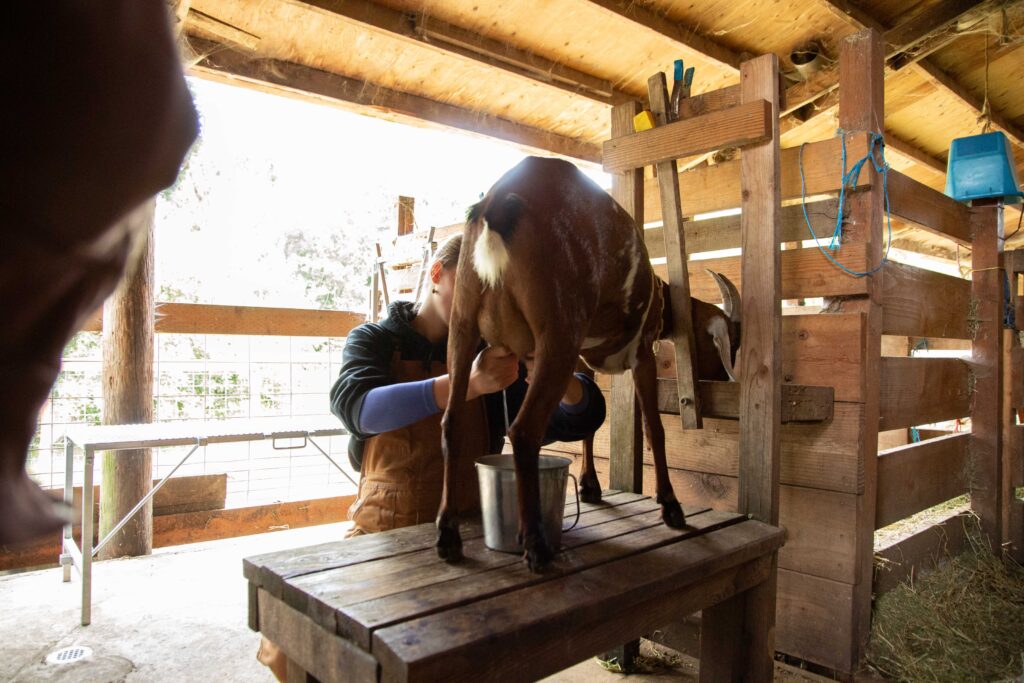
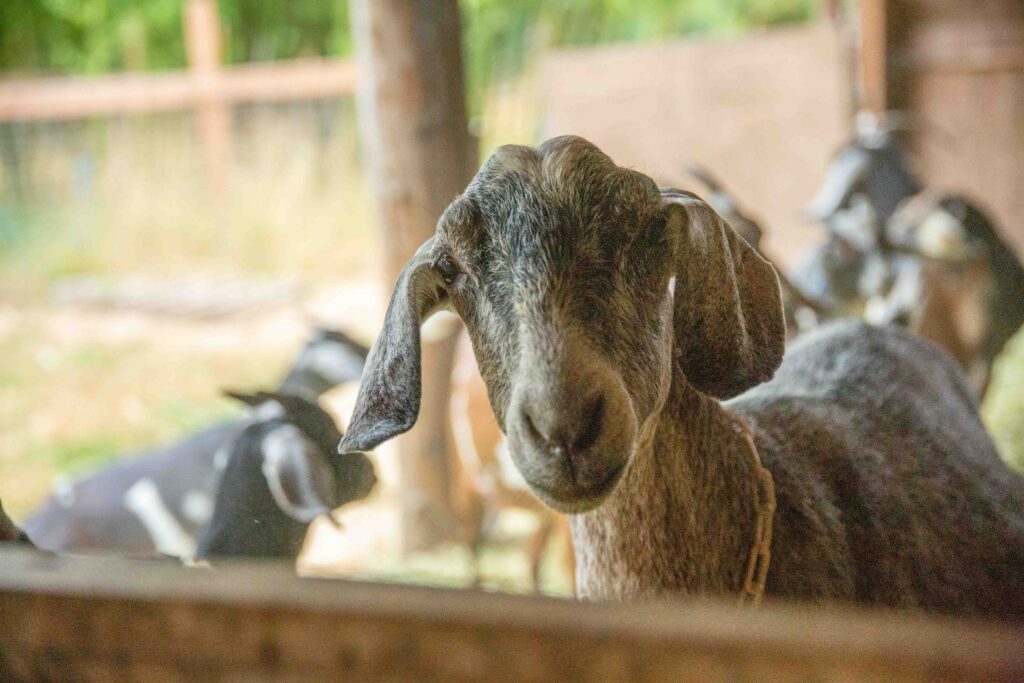
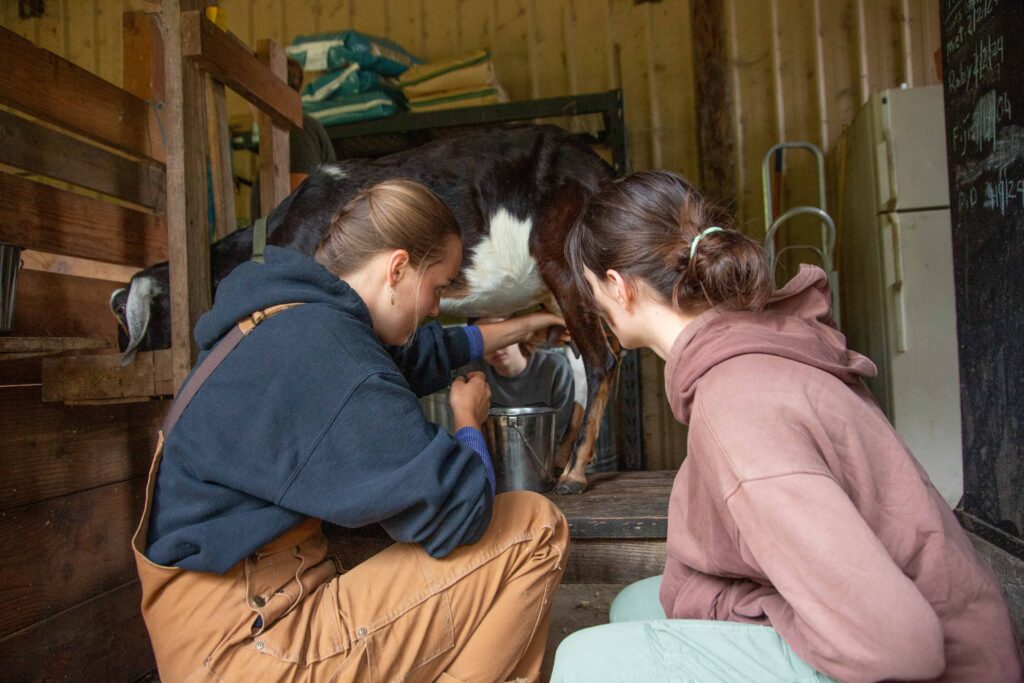
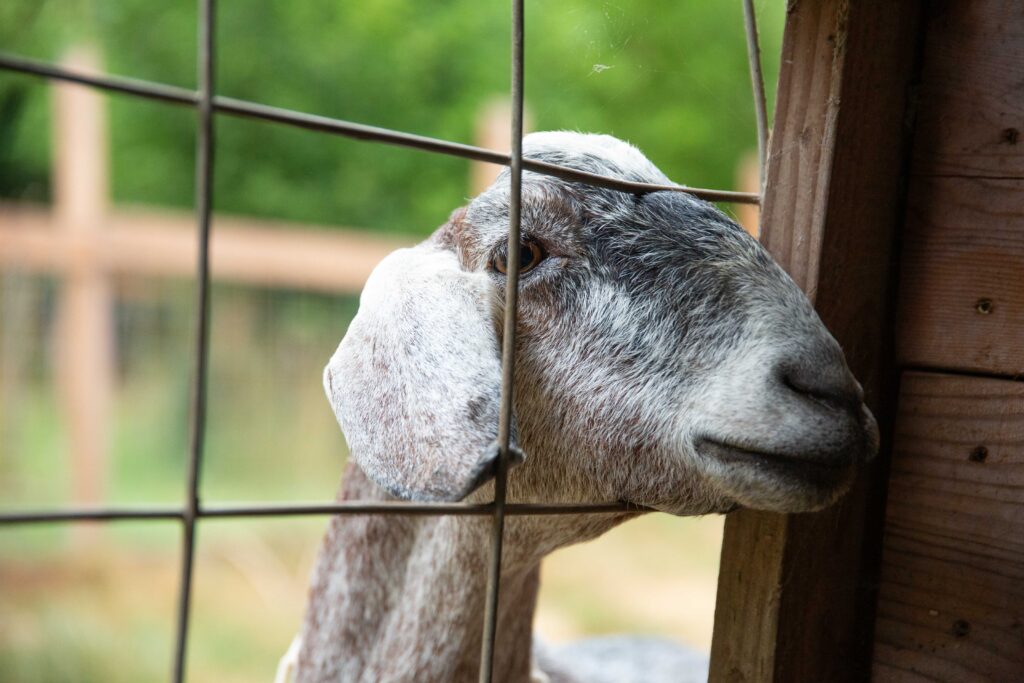
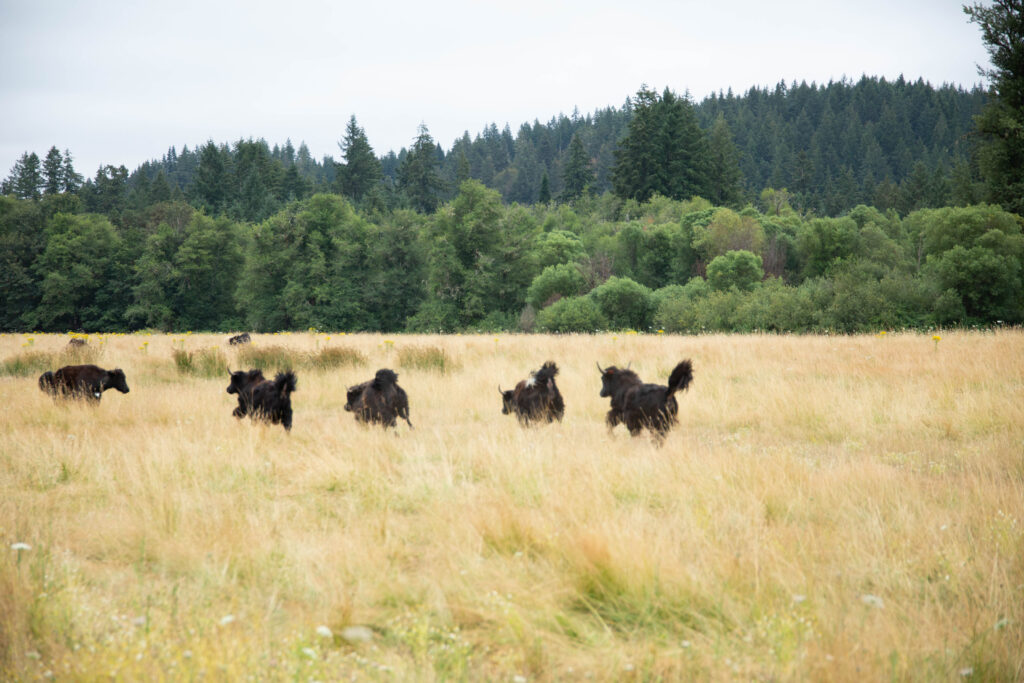
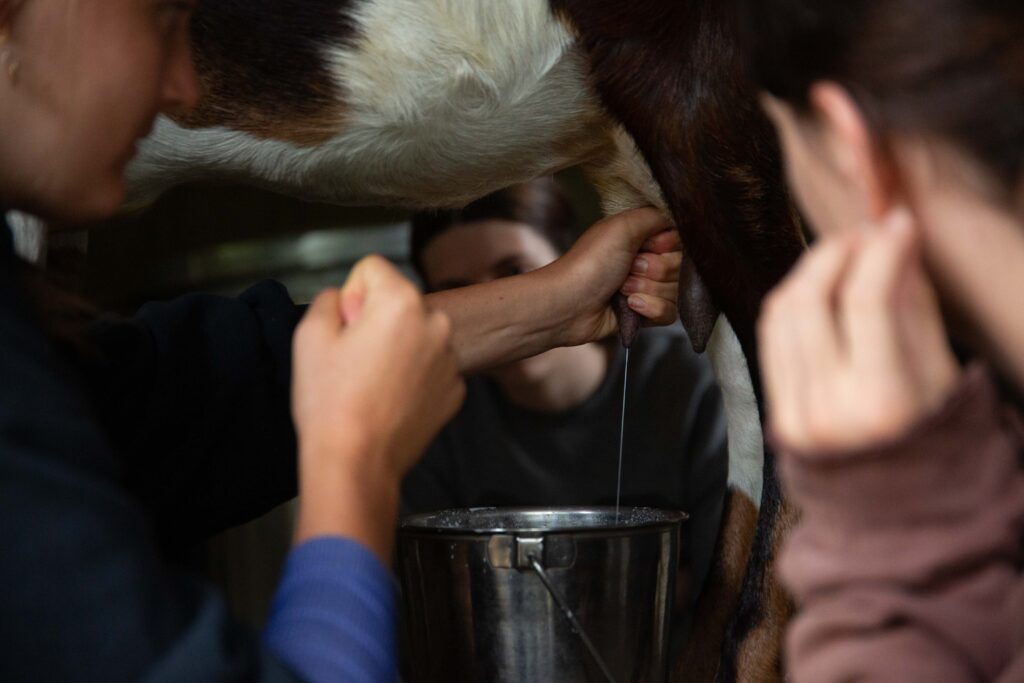
The week on site passed very quickly. The weekend before we left, we accompanied our friends Margot and Charlie to a small farm. They have an exchange with a family of local farmers who raise yacks for meat. They also have a few goats; Margot and Charlie milk on Sunday mornings and can keep the milk. Corvallis is a very alternative city and many people are open for this type of exchange and sharing. Margot shares his knowledge of the care to be given to goats in an association offering internships, the Tarweed Folk School. Originally from Denmark, these organizations are very successful in the region. Everyone can find a subject or discipline to learn. This also allows competent persons to transmit and be paid.

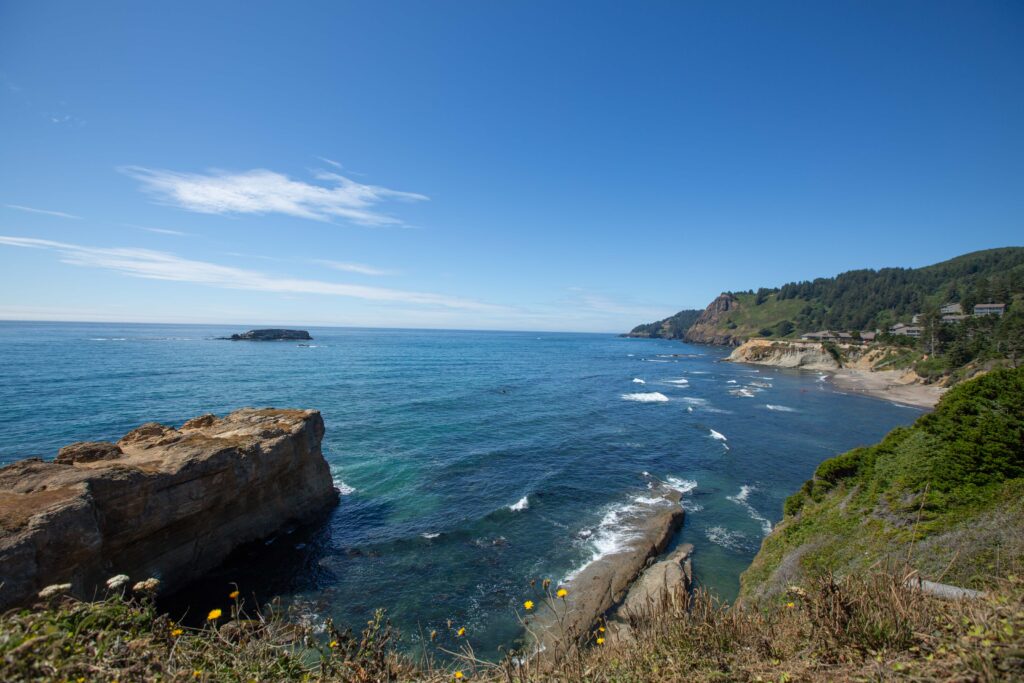
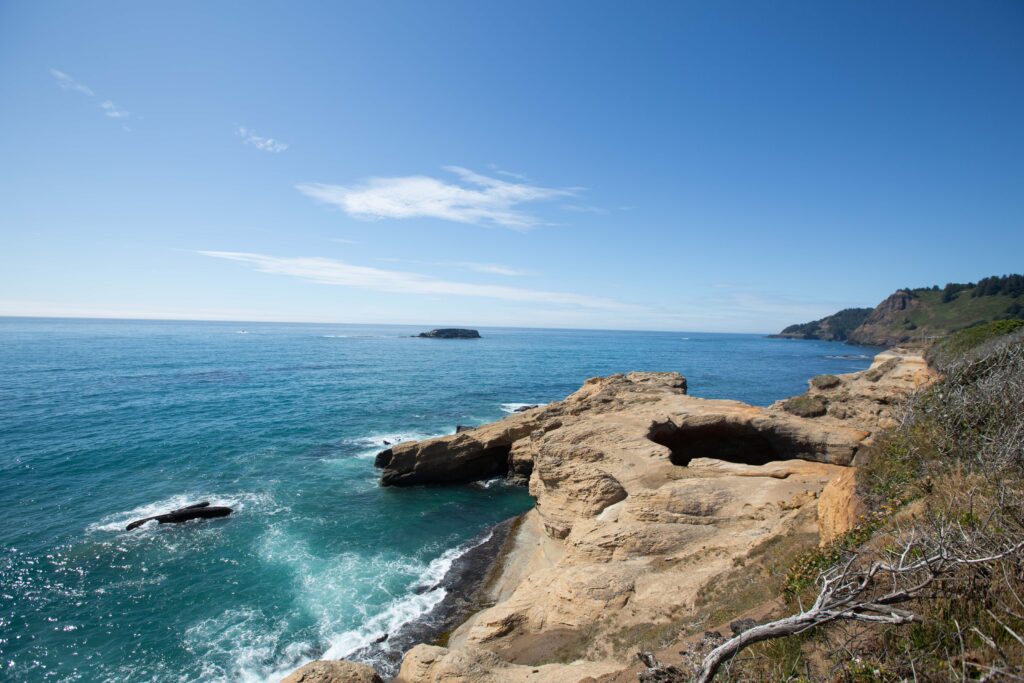
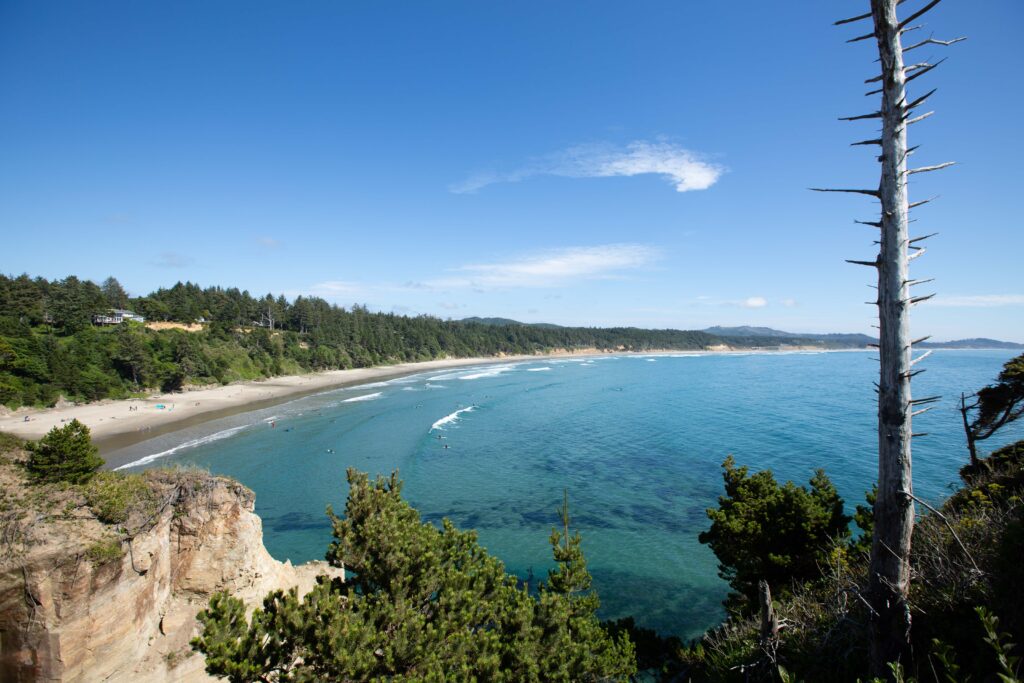
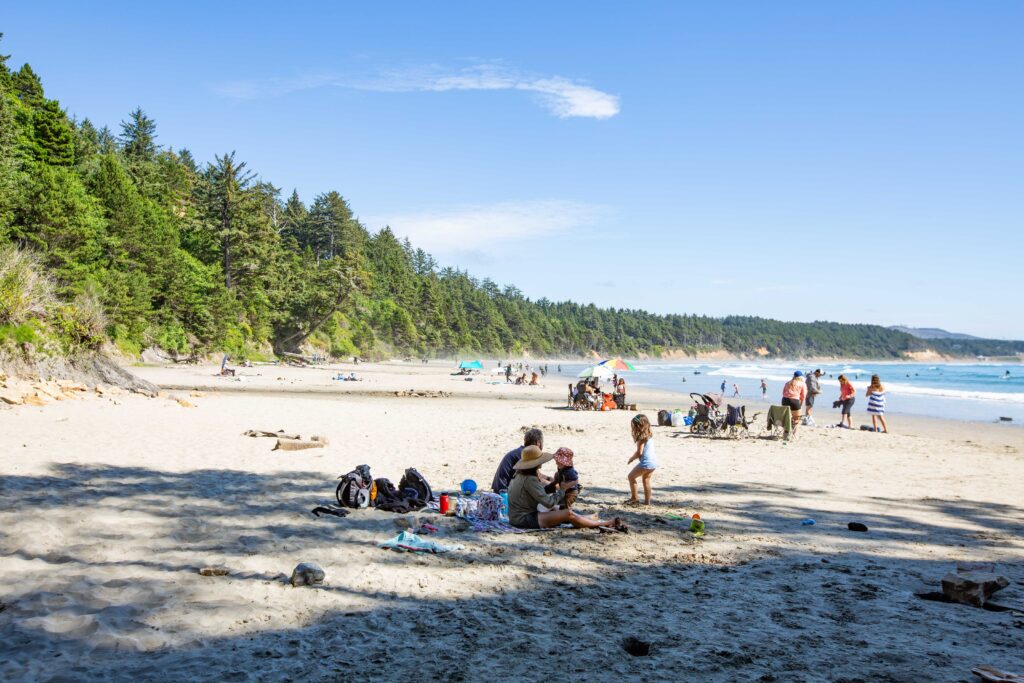
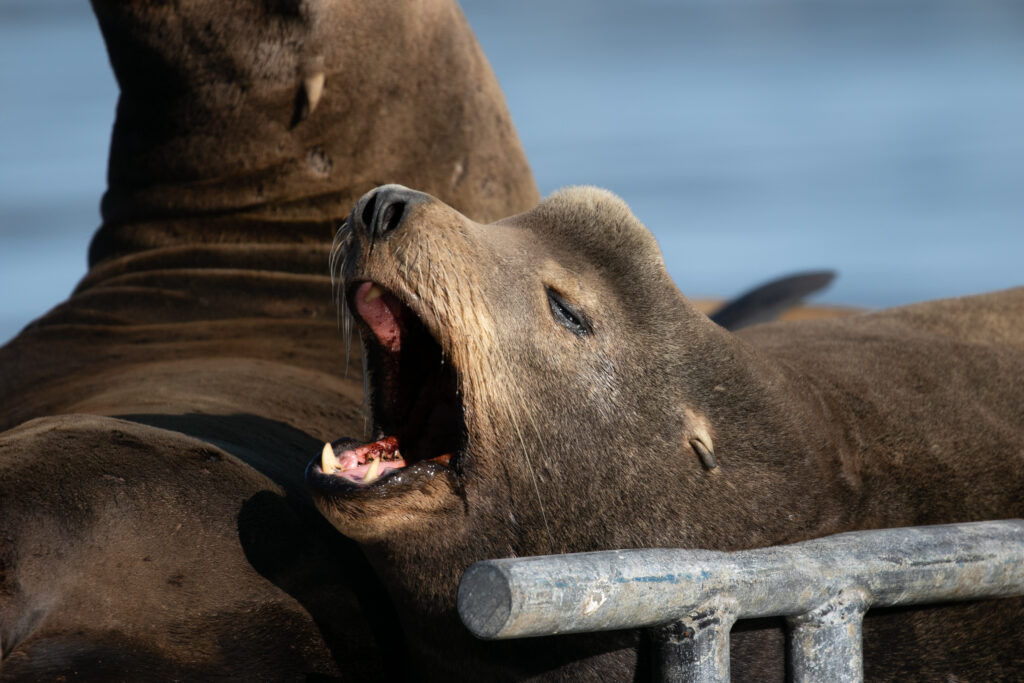
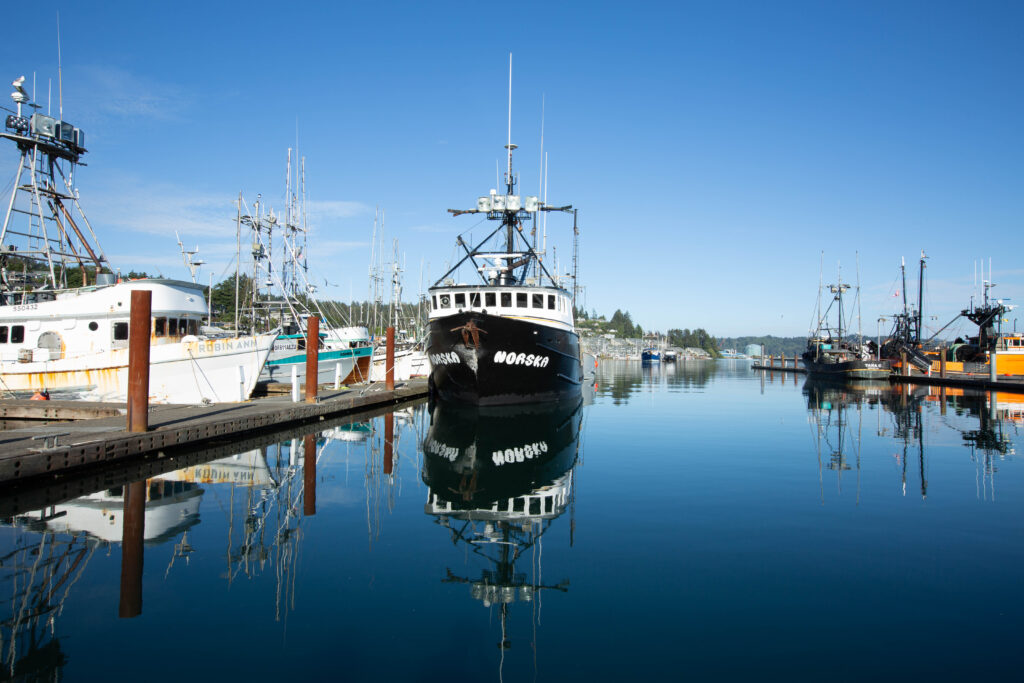
After the goat trade, we went to the Pacific on the Newport side. A new opportunity to see this wild ocean. The weather was perfect, great sun and water so blue and transparent that the temptation to swim was too strong. Well, swimming is a big word, fast dip would be closer to reality. Water was supposed to be around 14-15°C, but we tried and managed the challenge! Once reinvigorated, we went to Newport Harbour. Charming small fishing port in the North Pacific where cod, crab and salmon are caught. Freshly caught fish can be purchased directly on some boats. It was closed that day, too! To close this beautiful day, we were able to attend the show of a group of sea lions in Sunday rest, probably repus after a fishing session. Hierarchical behaviours were observed within the group, where the positions on the pontoon were not free for the first comer.
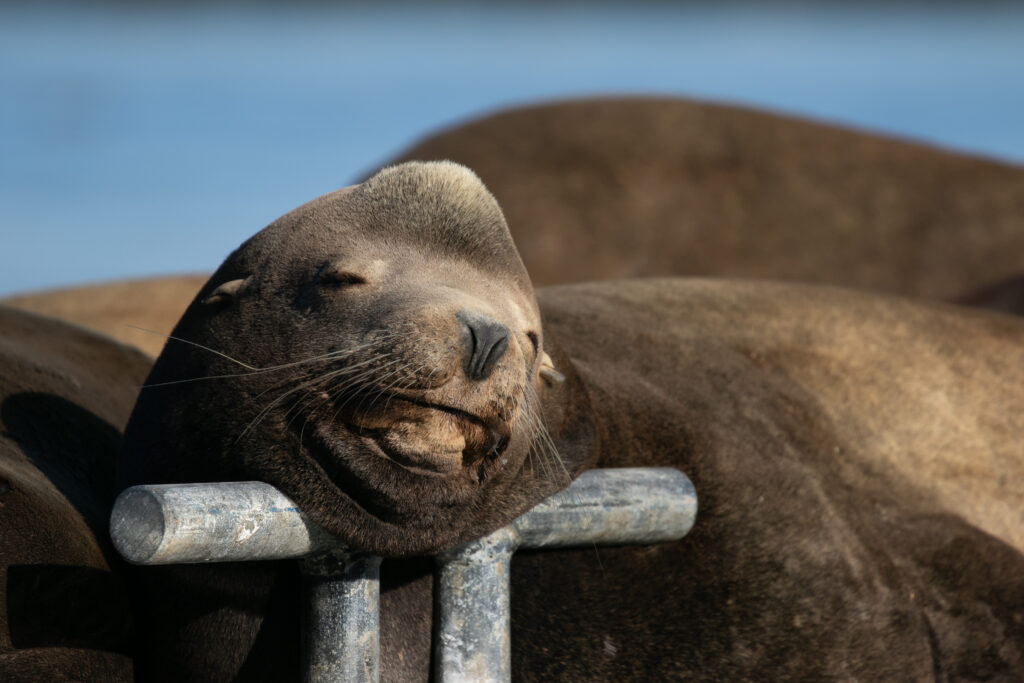
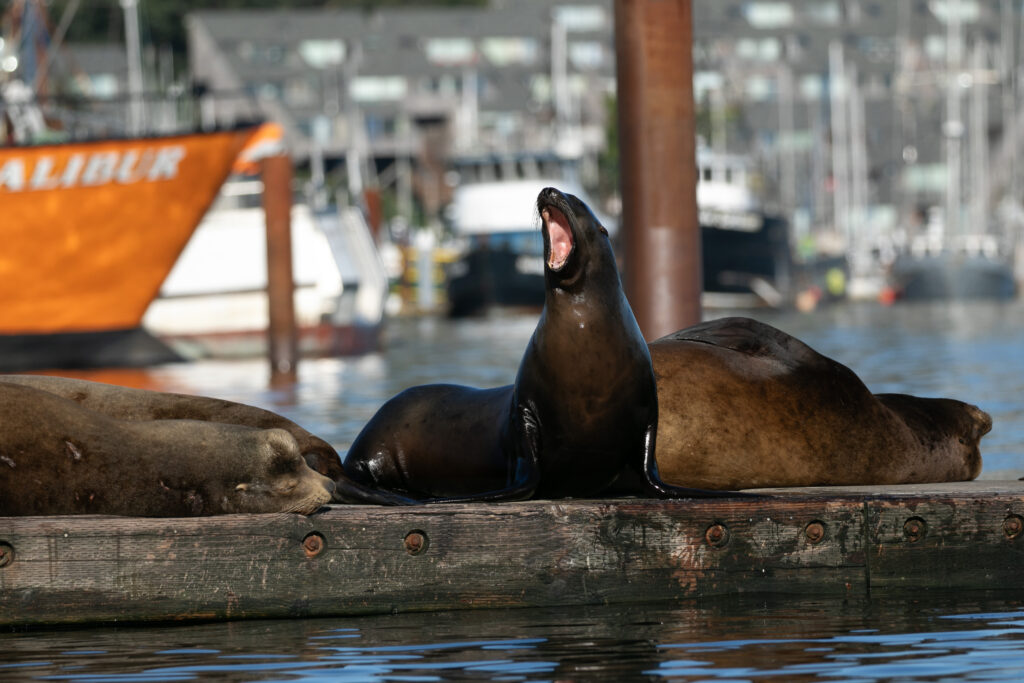
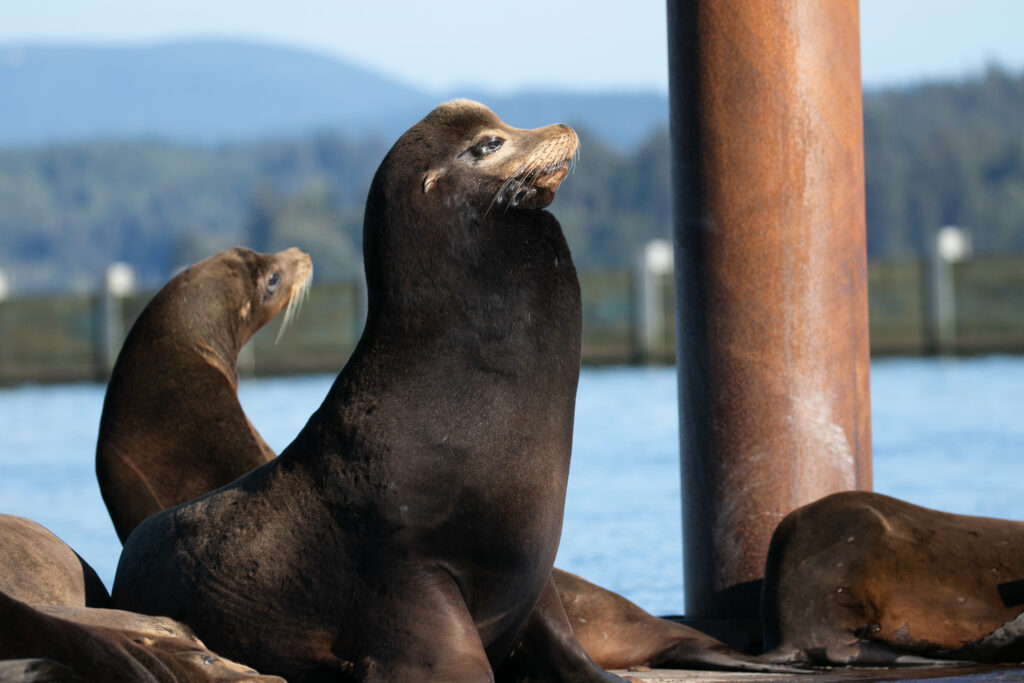
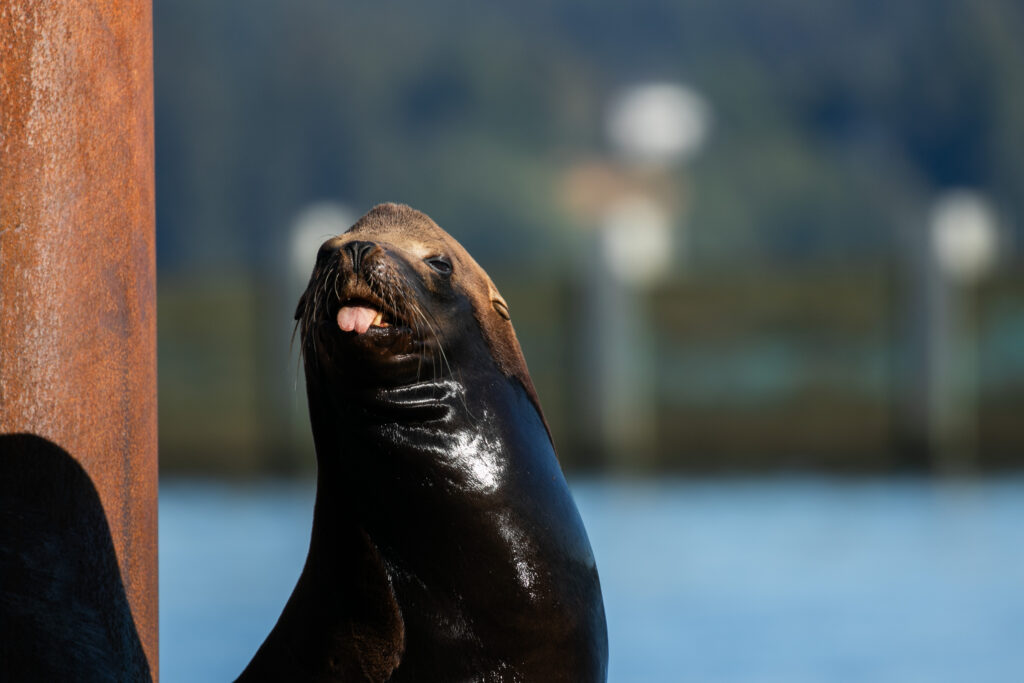
So we left the United States on these beautiful images and, finally, a little rain. Direction Portland to drop off the rental car and take the train and bus to Canada. Next...

